


Winemaker Notes
Professional Ratings
-
Wine & Spirits
A dark, succulent blend of cabernet sauvignon and shiraz, this was matured in the oak barrels used for the previous vintage of Grange. The black plum flavors run deep, the tannins finely tailored into suppleness. Firm and juicy, this is an impressive 2011 with plenty of development ahead.
-
Robert Parker's Wine Advocate
A blend of 51% Cabernet Sauvignon and 49% Shiraz, the very deep purple-black colored 2011 Bin 389 Cabernet Shiraz is a little youthfully mute, showing cassis and black cherries on the nose alongside hints of pencil shavings, licorice, chocolate, pepper and meat. More cedar flavor shows up in the firm and structured, medium-bodied palate marked by a high level of grainy tannins, a lively acid backbone and a long finish. It needs time in bottle. 5,130 9L case imported to the US. Drink 2015 to 2025+. Rating: 90+
-
Wine Spectator
Firm in texture, with crunchy tannins around a sleek core of currant and red plum flavors, pushing against the grip of the finish. This has depth, but needs time to sort itself out. Best after 2015.


Since 1844, Penfolds has been grounded in experimentation, curiosity and uncompromising quality. Their success has been driven by a lineage of visionary winemakers. It began with Dr. Christopher and Mary Penfold, the pioneers who dreamed big, inventing tonics, brandies, and fortified wines made from grapes and Australian sunshine. It continued with celebrated winemaking legends including Max Schubert, who pushed the development to extraordinary, bold new heights. It is this pioneering spirit and curiosity that still rings true after nearly two centuries, it is what has helped Penfolds become one of the most celebrated winemakers in the world today.

With hundreds of red grape varieties to choose from, winemakers have the freedom to create a virtually endless assortment of blended red wines. In many European regions, strict laws are in place determining the set of varieties that may be used, but in the New World, experimentation is permitted and encouraged resulting in a wide variety of red wine styles. Blending can be utilized to enhance balance or create complexity, lending different layers of flavors and aromas. For example, a red wine blend variety that creates a fruity and full-bodied wine would do well combined with one that is naturally high in acidity and tannins. Sometimes small amounts of a particular variety are added to boost color or aromatics. Blending can take place before or after fermentation, with the latter, more popular option giving more control to the winemaker over the final qualities of the wine.
How to Serve Red Wine
A common piece of advice is to serve red wine at “room temperature,” but this suggestion is imprecise. After all, room temperature in January is likely to be quite different than in August, even considering the possible effect of central heating and air conditioning systems. The proper temperature to aim for is 55° F to 60° F for lighter-bodied reds and 60° F to 65° F for fuller-bodied wines.
How Long Does Red Wine Last?
Once opened and re-corked, a bottle stored in a cool, dark environment (like your fridge) will stay fresh and nicely drinkable for a day or two. There are products available that can extend that period by a couple of days. As for unopened bottles, optimal storage means keeping them on their sides in a moderately humid environment at about 57° F. Red wines stored in this manner will stay good – and possibly improve – for anywhere from one year to multiple decades. Assessing how long to hold on to a bottle is a complicated science. If you are planning long-term storage of your reds, seek the advice of a wine professional.

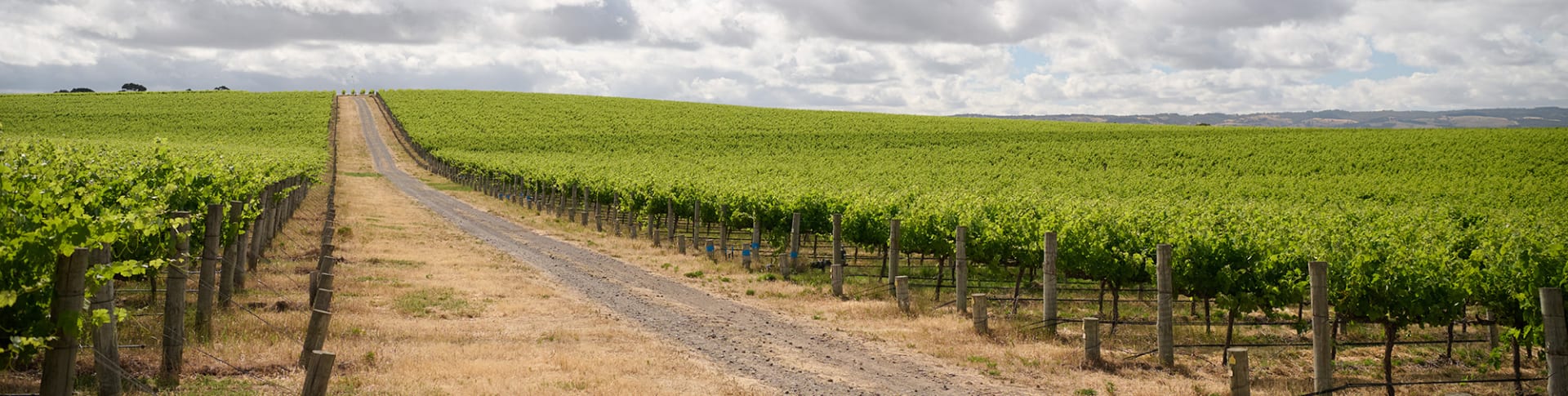
South Australia is the historic heart of Australian wine, a great wine capital of the world, and home to some of the most famous regions. It produces more than 80% of Australia’s premium wine from some of the oldest vines in the world. There is an abundance of varieties and wide spectrum of styles to explore. From the rogue to refined, discover Australian wines that are far from ordinary.