

Winemaker Notes
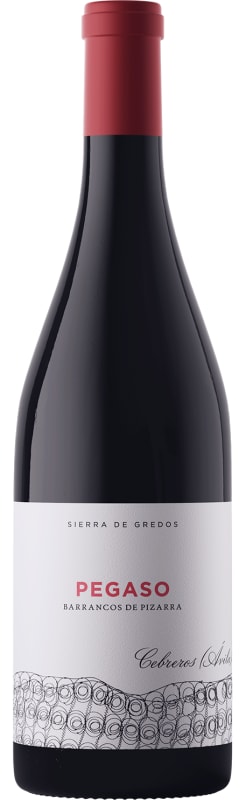
The Pizarra vineyards are found on red metamorphic slate soils, which are unique to the village of Cebreros, folded into the mostly granitic mountain range. This slate soil makes Cebreros unlike any other village within the Sierra de Gredos region. Pizarra soil is located above 950 meters, up to 1200 meters, mainly with an eastern orientation. The wines from here have a signature expression: they are always fresh, complex, direct, and profound. Pizarra is a limited production wine produced from over 60-year-old, bush-trained Garnacha vines, yielding 15hl/ha from the vineyards of Arrebatacapas, La Redonda, La Curva, Fuente Fabian, and Presidente. The farming at Pegaso is organic, and the wines are made with low intervention and minimal sulfur at bottling.
Professional Ratings
-
Robert Parker's Wine Advocate
It seems like the warm year worked well with the slate soils, and the 2022 Pegaso Barrancos de Pizarra feels extremely elegant and balanced within the showy style of the year. It reflects the warm and dry conditions with 15% alcohol, a pH of 3.36 and 5.85 grams of acidity. The grapes come from vines 80-plus years old at 800 to 1,000 meters above sea level on slate soils ("pizarra" is the Spanish word for "slate"). It fermented in oak vats, stainless steel and clay tinajas and matured in 500- and 600-liter French oak barrels for 24 months. 6,000 bottles produced. It was bottled in June 2024.
Rating: 95+ -
James Suckling
Sweet spices, strawberries, red cherries, minerals and grapefruit on the nose. Dusty tannins grow on the palate, with a long, ferric finish. Still tight. Drink or hold.
-
Vinous
The 2022 Pizarra comes from Cebreros in the Sierra de Gredos. It opens with delicate cherry, garrigue, subtle vermouth, pink peppercorn and savory undertones. The palate is full-bodied with grippy tannins, compact and slightly oily textures and lingering flavors of black fruit, garrigue and fennel. Rich and ripe, this is a wine shaped by the sun.


The wines from the Sierra de Gredos mountains to the west of Madrid (aka Viños de Madrid) have finally begun to claim their rightful place alongside other top wine regions focused on producing world-class Garnacha (Grenache). Cebreros is now both the name of the village and the appellation of origin in the southeast of the province of Ávila, within the greater Sierra de Gredos region. The landscape is stunning and quite varied, with some incredible-looking vineyards.
For this origin story, we must go back 25 years to find a father and son on an expedition through this very stone heart of Spain, traversing the mountainous shepherds’ trails, searching for the forgotten landscapes of Iberia. This young man was Telmo Rodríguez, and this experience planted the seed for all that was to come for both him and his future winemaking partner, Pablo Eguzkiza, in the following two decades. The idea for what would simply be known as "Compañía" began when Telmo used to spend over ten summers with his father traversing the Cañadas Reales, which crisscross Spain, looking for forgotten vineyards. Originally, the plan was to write a book. Instead of the book coming to life, it inspired Telmo to start his company rescuing historic, neglected vineyards in these remote corners of Spain.
Enter Marc Isart (of Bernabeleva fame), who has been the winemaker here since 2016. Marc is known to many as one of the most knowledgeable and talented growers working in Sierra de Gredos, as he has been making wine there since 2007. Viticulture here strictly honors the old bush-trained vines and is certified EU organic, the area being surrounded by pine nut trees and high-mountain vegetation. Finally, with the refurbishment of an old hunting lodge called Finca La Piñonera, they established the simple winery in the heart of the vineyards.
Marc has guided Pegaso into an incredible new clarity of expression, being neither overly light, as is the current winemaking trend, nor overbearing, as was the style of the area in the past. Instead, the Pegaso wines speak confidently and clearly of the slate and granite mountains, fresh air and pine trees. More than one taster has uttered the phrase "mountain Nebbiolo" when tasting Cebreros wines; and while they are completely separate grapes and regions, there are similarities in structure, spirit, and a lasting impression which connects these wines produced on once-forgotten slopes

Spanish red wine is known for being bold, heady, rustic and age-worthy, Spain is truly a one-of-a-kind wine-producing nation. A great majority of the country is hot, arid and drought-ridden, and since irrigation has only been recently introduced and (controversially) accepted, viticulture has sustained—and flourished—only through a great understanding of Spain’s particular conditions. Large spacing between vines allows each enough resources to survive and as a result, the country has the most acreage under vine compared to any other country, but is usually third in production.
Of the Spanish red wines, the most planted and respected grape variety is Tempranillo, the star of Spain’s Rioja and Ribera del Duero regions. Priorat specializes in bold red blends, Jumilla has gained global recognition for its single varietal Monastrell and Utiel-Requena has garnered recent attention for its reds made of Bobal.