


Winemaker Notes
Deep ruby red. Bouquet of intense mature fruit with notes of currant, raspberry and blackberry with hints of violet. Flavor is rich but balanced with notable soft tannins and good acidity; great persistence.
Pairs well with red meats, braises and goat or sheep’s milk and cheeses.
Professional Ratings
-
Jeb Dunnuck
Deep ruby with a hint of purple, the 2019 Dogliani Superiore Bricco Botti is floral and spicy, with scorched earth, black raspberry, pressed violets, and smoke. Grippy and nervy with acidity, it has notes of Earl Grey tea, smoke, meaty black cherry, and turned soil. It needs time but is an impressive expression of what Dolcetto can be. Drink 2025-2035. This is the last vintage Pecchenino is producing of this wine. Best After 2025
-
James Suckling
Sweetly perfumed with candied cherries and lemons. Some violets, too. Medium body. Creamy texture with some firmness. Fresh finish.
-
Wine Enthusiast
Intensely dark in color, this brooding Dolcetto slowly awakens with aromas of black-plum jam, dried fig, violets and licorice. Well-balanced with dark-hued fruits in perfect concert with earthy and savory flavors that give the wine a complexity and depth that will continue to evolve in the cellar.
-
Wine Spectator
Saturated flavors of blackberry, plum, earth and almond mark this dense red. Solidly built, with balance, fine length and time to give. Drink now through 2027.

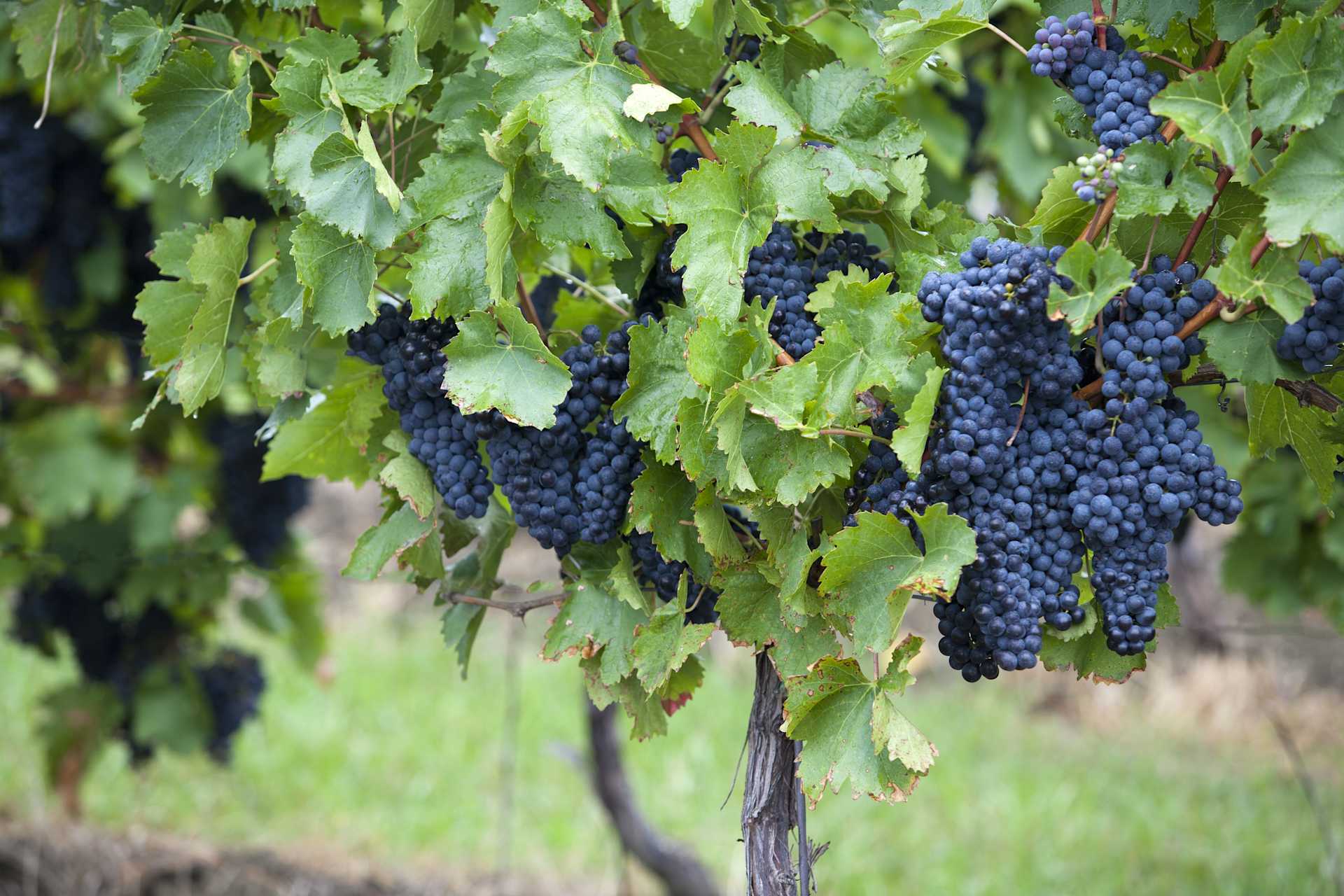
An easy drinking red with soft fruity flavors—but catchy tannins, Dolcetto is often enjoyed in its native Piedmont on a casual weekday night, or for apertivo (the canonical Piedmontese pre-dinner appetizer hour). Somm Secret—In most of Piedmont, easy-ripening Dolcetto is relegated to the secondary sites—the best of which are reserved for the king variety: Nebbiolo. However, in the Dogliani zone it is the star of the show, and makes a more serious style of Dolcetto, many of which can improve with cellar time.

The hills of Dogliani, just to the south of the Barolo zone, produce the very best Dolcetto wines in the world. Its rolling hills reach higher elevations than those of Barolo and the area maintains strong Dolcetto vineyards as well as groves of hazelnut trees, farmland, pastures, and forests. Dogliani became its own DOCG in 2005; in order for a Dolcetto to be classified as Dogliani DOCG, it must come from one of the following communes: Bastia Mondovì, Belvedere Langhe, Clavesana, Cigliè, Dogliani, Farigliano, Monchiero, Rocca Cigliè, Roddino and Somano. Dogliani DOCG must have a deep red color, elegance, intense fruit, and aromas of currants, raspberry, and blackberry.