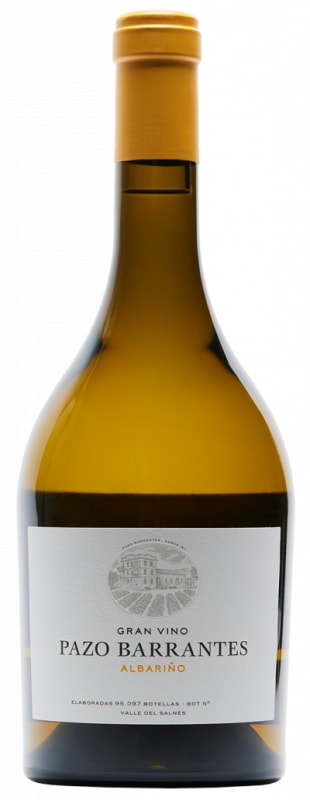


Winemaker Notes
A wide nuanced nose with ripe yellow plum and medlar fruit, subtle notes of bergamot and verbena underpinned by a fine balsamic background. Vibrant palate, well-balanced, fresh and textured. It shows a long and splendid finish.
Professional Ratings
-
Jeb Dunnuck
An impressive wine that needs time to balance the high acidity of the region, 2022 Albariño Gran Vino is from old vines and is long-aged, aged in stainless steel and acacia wood barrels for eight months. It gets two years in bottle before release to integrate the natural acidity and structure. Creamy, textured, and medium-bodied, it has a hint of mint and eucalyptus that match well against the richness of stone fruit and citrus. The midpalate is rounded and rich, finishing fresh.
-
James Suckling
Excellent complexity and freshness, with good depth as well. Medium- to full-bodied with lovely density and length. Showing real character.
-
Robert Parker's Wine Advocate
The 2022 Gran Vino Albariño was cropped from a warm and dry year is the third vintage of this new cuvée from their 12 hectares in eight different plots (Cacheiro, Huerta, Besada, Eira, Ferradiña, Ferradura, Tomadiña and Souto) in the Valle del Salnés plus a further hectare rented from the archbishop. The destemmed grapes were pressed and the must left to settle and then fermented in stainless steel for around 43 days. The wine was kept with the lees in stainless steel for four months and then a further eight months without the lees. Fifteen percent of the volume matured in acacia wood barrels. It was kept in bottle for two years before being sold. It comes in at the usual 13.5% alcohol with a pH of 3.35 and 7.15 grams of acidity (tartaric).
-
Vinous
The 2022 Albariño Gran Vino aged for four months on lees, followed by eight months in stainless steel, with 15% aged in acacia barrels. It opens with fine notes of linden blossom and anise, alongside pear, biscuit and a balsamic hint of eucalyptus, plus a touch of apricot. This is creamy and flavorful, with a supple texture and a fresh lift. It is ready to drink now. The 2022 is an interesting style that emphasizes aging character over primary fruit.
-
Wine Spectator
A well-cut white, with touches of mountain herbs lending a savory edge to flavors of crunchy white peach, pineapple, blanched almond and graphite. Finely balanced and elegant, with a lasting, mouthwatering finish.



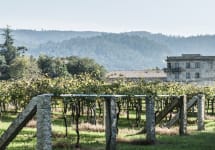
Pazo de Barrantes is part of the Marqués de Murrieta family, one of the founding fathers of modern Spanish winemaking. The winery has been associated to the Counts of Creixell since the beginning of the 20th century, and the property in the hands of the family since 1511. Over the years, the Count of Creixell´s family has given its own personality to every wine produced at the winery. In the 1990s, the Galician property turned into an estate designed specifically for the albariño growing, the great and noble local grape variety. This enabled the family to join all the efforts to offer careful and precise winemaking in the heart of the Salnés Valley.
The Pazo de Barrantes estate is located in the Salnés Valley of Rías Baixas and is the largest single estate in the valley. The property is close to the Galician coast in the western part of Spain, just north of Portugal. The winery is settled near the southern tip of the Rioja Alta in the middle of the beautiful Ygay Estate, a unique 300 hectare vineyard that guarantees complete control over the grape source of the wines and is the key to the quality and style of Marqués de Murrieta wines

Bright and aromatic with distinctive floral and fruity characteristics, Albariño has enjoyed a surge in popularity and an increase in plantings over the last couple of decades. Thick skins allow it to withstand the humid conditions of its homeland, Rías Baixas, Spain, free of malady, and produce a weighty but fresh white. Somm Secret—Albariño claims dual citizenship in Spain and Portugal. Under the name Alvarinho, it thrives in Portugal’s northwestern Vinho Verde region, which predictably, borders part of Spain’s Rías Baixas.

Named after the rías, or estuarine inlets, that flow as far as 20 miles inland, Rías Baixas is an Atlantic coastal region with a cool and wet maritime climate. The entire region claims soil based on granite bedrock, but the inlets create five subregions of slightly different growing environments for its prized white grape, Albariño.
Val do Salnés on the west coast is said to be the birthplace of Albariño; it is the coolest and wettest of all of the regions. Having been named as the original subregion, today it has the most area under vine and largest number of wineries.
Ribeira do Ulla in the north and inland along the Ulla River is the newest to be included. It is actually the birthplace of the Padrón pepper!
Soutomaior is the smallest region and is tucked up in the hills at the end of the inlet called Ria de Vigo. Its soils are light and sandy over granite.
O Rosal and Condado do Tea are the farthest south in Rías Baixas and their vineyards actually cover the northern slopes of the Miño River, facing the Vinho Verde region in Portugal on its southern bank.
Albariño gives this region its fame and covers 90% of the area under vine. Caiño blanco, Treixadura and Loureira as well as occasionally Torrontés and Godello are permitted in small amounts in blends with Albariño. Red grapes are not very popular but Mencía, Espadeiro and Caiño Tinto are permitted and grown.