


Winemaker Notes
Hailing from the newly established West Sonoma Coast AVA, this inaugural release displays deep ruby in tint with Bing cherry, wild mountain berry, and an ethereal note of damp earth. Vibrant red and blue fruits dance on the palate, accompanied by oyster shell and a stony tension in character with its coastal influences. A silky texture and uplifted acidity add a sophistication and intensity to this wine, as well as a remarkably long finish.
Professional Ratings
-
Robert Parker's Wine Advocate
The 2021 Pinot Noir West Sonoma Coast is another new wine in the Paul Hobbs portfolio. It comes primarily from the Goldrock and Cleary vineyards, was vinified with 17% whole clusters and matured in 33% new oak. It has deep scents of black cherries, blueberries, violet, conifer and mossy bark. The medium-bodied palate is ripe yet crunchy, with concentrated, nuanced fruit, grainy tannins, energetic freshness and a long, earth-laced finish. It's a powerful expression that deserves 3-5 years in bottle to unwind.
-
Vinous
The 2021 Pinot Noir (West Sonoma Coast), a new wine in this range, is lights out. Rich, ample and bold, the 2021 races across palate with layers of purplish fruit, lavender, spice, menthol, licorice and spice. A dollop of stems adds nuance, but without dominating the overall balance. There's terrific acidity and structure to play off the natural fruit richness that is such a distinctive attribute of the best sites in the appellation.
-
Wine Enthusiast
Perfectly balanced and powerfully fruity, this focused and moderately tannic wine is packed with red and black fruits in great harmony with vivid acidity and a sense of depth. Decant and drink soon for its pure cherry beauty or save while more complexity develops.
-
James Suckling
Black-cherry, dried-strawberry, slate and sandstone aromas and flavors. Full-bodied, medium-chewy and bright at the end. The texture and intensity are beautiful and pure. Energy and depth.
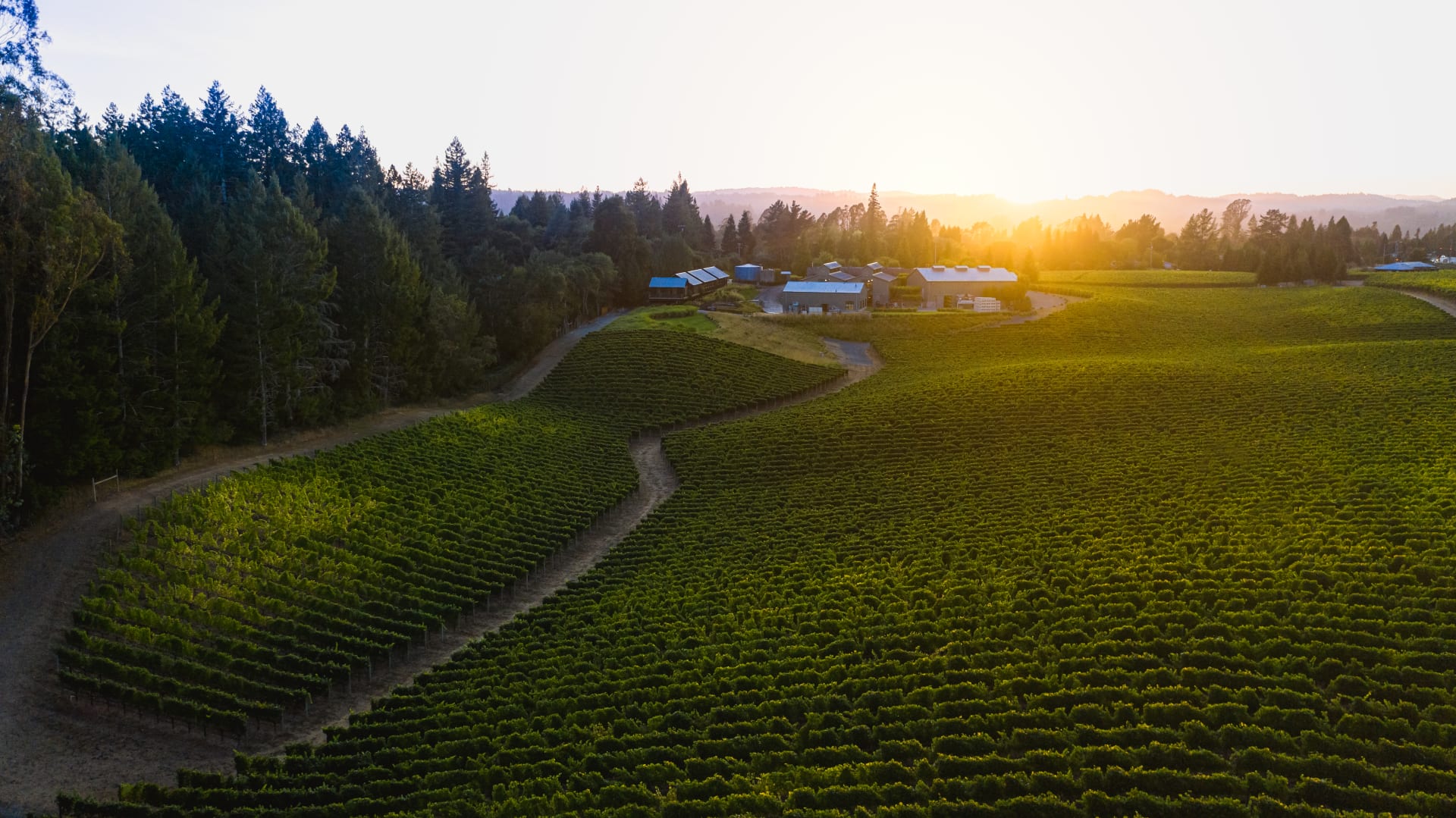



The Sonoma Coast AVA is large in area but, not counting overlapping regions like Russian River Valley, only has a few thousand acres of grapevines—and it’s no wonder. Much of the region is rugged and not easily accessible. Its proximity to the Pacific Ocean’s fog and cool breezes limits the varieties that can be cultivated, but it proves to be an ideal environment for high quality Pinot Noir.
Since fog is a frequent fact of life here, as are heavy marine layers that sometimes bring rain, the best vineyards are wisely planted above the fog line, on picturesque ridges that capture enough sun to provide even ripening. That, with the overnight drop in temperature that reliably preserves acidity, results in fine expressions of Pinot Noir that often receive tremendous critic and consumer praise alike, and are often in high demand.