

Winemaker Notes
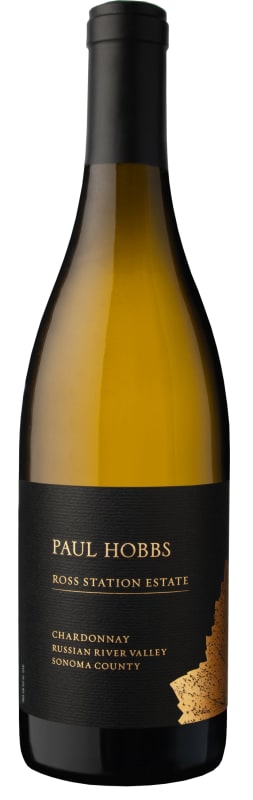
Pale straw with green highlights, this wine opens with aromas of red apple skin, white peach, and a twist of lemon zest. Bright acidity and a creamy mouthfeel create a lively, textured entry that unfolds into layers of brioche, baking spice, and pomaceous freshness. The finish is long and refined with lifted citrus energy and a gentle mineral tension.
Vegan-Friendly
Professional Ratings
-
James Suckling
This brilliant, mineral-driven white is fresh, crunchy and linear, super well balanced, even a bit restrained, on a medium to full body. Aromas of chalk, sea air and green apples lead to vibrant, racy flavors of crisp apples, apricots and lemon zest. Its power is wrapped firmly in good acidity, boding well for much further development with aging.
-
Robert Parker's Wine Advocate
The 2023 Chardonnay Ross Station Estate has slowly blossoming scents of white orchard fruit, Meyer lemon, oyster shell and well-integrated new oak spice. The full-bodied palate offers highly concentrated flavors that range from lemon and flowers to honey. It has a silky texture, vibrant acidity and a very long, fragrant finish.
-
Vinous
The 2023 Chardonnay Ross Station Estate offers up a beguiling mix of citrus peel, slate, minerals, crushed rocks and dried herbs. This nervy Chardonnay could benefit from a year in the bottle, as it is rather tightly wound. Alternatively, a 12-24 decant will do the trick. Superb.
-
Jeb Dunnuck
A bright yellow/green hue, the 2023 Chardonnay Ross Station Estate is more savory and has more structured texture and less opulence compared to the Edward James. It boasts more forward notes of crushed stones, pineapple rind, white peach, and fresh flowers. The palate is full-bodied, with a chalky mineral texture and a savory finish. It will likely benefit from another 6-12 months in bottle to unfurl and drink its best over the coming 10-12 years. All of these Chardonnay offerings were aged for 15 months in barrel.
Rating: 95+ -
Wine Spectator
A succulent version, with a mouthwatering edge to the plump fruit flavors of apricot, white peach and grilled lemon, plus fresh-cut Fuji apple accents. A salted Marcona almond note and a whiff of vetiver linger on the crisp, fresh finish.






One of the most popular and versatile white wine grapes, Chardonnay offers a wide range of flavors and styles depending on where it is grown and how it is made. While it tends to flourish in most environments, Chardonnay from its Burgundian homeland produces some of the most remarkable and longest lived examples. California produces both oaky, buttery styles and leaner, European-inspired wines. Somm Secret—The Burgundian subregion of Chablis, while typically using older oak barrels, produces a bright style similar to the unoaked style. Anyone who doesn't like oaky Chardonnay would likely enjoy Chablis.

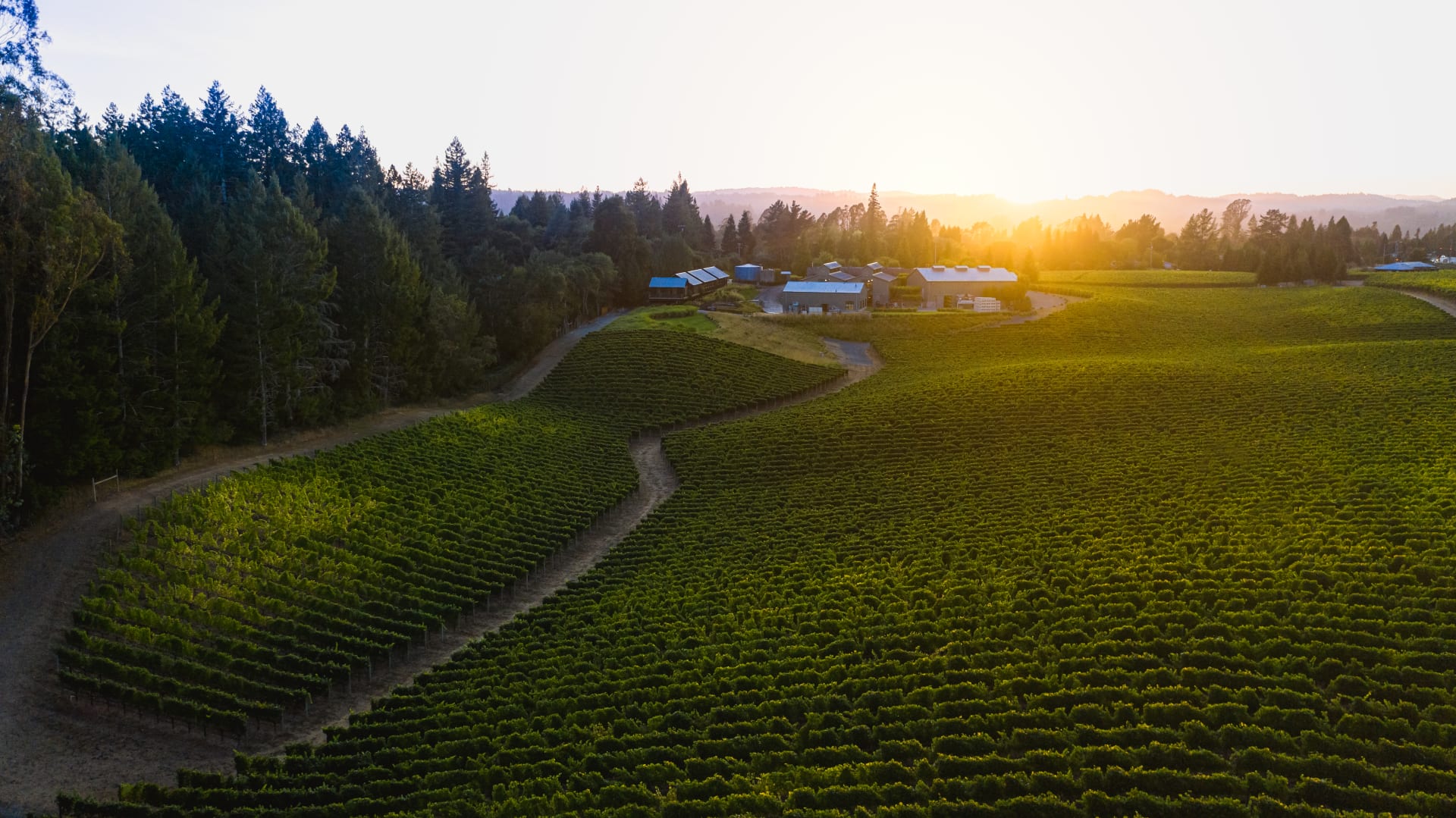
A standout region for its decidedly Californian take on Burgundian varieties, the Russian River Valley is named for the eponymous river that flows through it. While there are warm pockets of the AVA, it is mostly a cool-climate growing region thanks to breezes and fog from the nearby Pacific Ocean.
Chardonnay and Pinot Noir reign supreme in Russian River, with the best examples demonstrating a unique combination of richness and restraint. The cool weather makes Russian River an ideal AVA for sparkling wine production, utilizing the aforementioned varieties. Zinfandel also performs exceptionally well here. Within the Russian River Valley lie the smaller appellations of Chalk Hill and Green Valley. The former, farther from the ocean, is relatively warm, with a focus on red and white Bordeaux varieties. The latter is the coolest, foggiest parcel of the Russian River Valley and is responsible for outstanding Pinot Noir and Chardonnay.