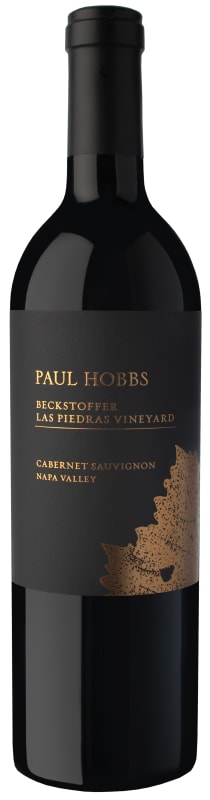


Winemaker Notes
Blend: 100% Cabernet Sauvignon
Professional Ratings
-
Decanter
Absolutely seductive, with incredible polish, precision, and opulence. Lead with youthful blue and black fruit aromatics. Full and plush on the palate with chocolaty tannins that are finely grained, imprinted with a palate-saturating richness of sweet, ripe, black cherry, blackberry and plum fruits, nuanced by tobacco, and a distinct earthy and chalky minerality that penetrates the senses from the nose to the finish.
-
James Suckling
Plenty of pretty fruit, with blackberries, blackcurrants and hints of flint. Full-bodied with lots of fruit, but the polished tannins hem this in so beautifully. Graphite shines through. Polished tannins for La Piedras. Needs four to six years of bottle age. Drink after 2030.
-
Robert Parker's Wine Advocate
There's a bit more oak influence evident in the 2021 Cabernet Sauvignon Beckstoffer Las Piedras Vineyard than in Hobbs's other Cabernets, but it works, those vanillin and almost buttery characters adding complexity and depth to the ripe black cherries and earth aromas. Full-bodied and plush, almost accessible despite the masses of soft tannins, the wine finishes long and velvety. Sexy stuff.
-
Wine Spectator
Notes of gorgeously ripe boysenberry, mulberry and blackberry puree stream through this serious Cab. Flanked by applewood and underscored with a well-buried cast iron spine, this wine is saturated but not bombastic, with a grip-filled yet fruit-redolent finish. Best from 2026 through 2040.
-
Vinous
The 2021 Cabernet Sauvignon Beckstoffer Las Piedras Vineyard is the most vibrant of three Beckstoffer wines in this range. Graphite, savory herbs, menthol, licorice, espresso and licorice abound in this potent, massively structured Cabernet. This is classic Las Piedras done in a modern, lush style.
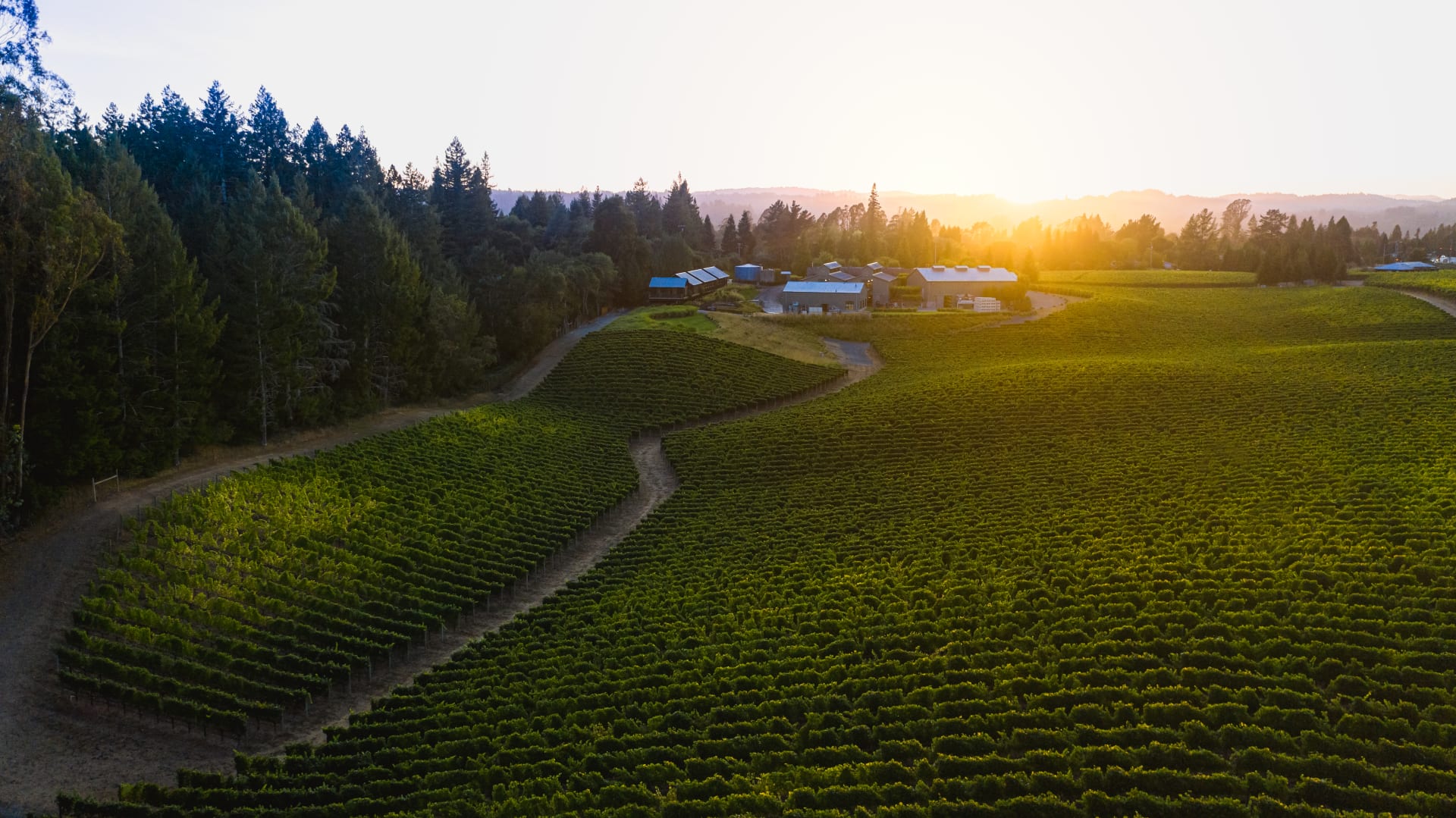



A noble variety bestowed with both power and concentration, Cabernet Sauvignon enjoys success all over the globe, its best examples showing potential to age beautifully for decades. Cabernet Sauvignon flourishes in Bordeaux's Medoc where it is often blended with Merlot and smaller amounts of some combination of Cabernet Franc, Malbecand Petit Verdot. In the Napa Valley, ‘Cab’ is responsible for some of the world’s most prestigious, age-worthy and sought-after “cult” wines. Somm Secret—DNA profiling in 1997 revealed that Cabernet Sauvignon was born from a spontaneous crossing of Cabernet Franc and Sauvignon Blanc in 17th century southwest France.

St. Helena is in the heart of the Napa Valley, nestled between Calistoga to the north and Rutherford on its southern border. On its western side, the Mayacamas Mountains guard it from the cooling effects of the Pacific Ocean; to its east stand the Vaca Mountains. In conjunction, these mountain ranges serve to lock in summer daytime heat. But in the evening, cool air from the San Pablo Bay funnels up through the valley, creating very chilly nights. It isn’t uncommon for temperatures to drop 50 degrees, a shift that promotes a balance of sugar ripeness and acidity in wine grapes.
St. Helena contains a plethora of different soil types in a small area, which have been enhanced over centuries by rain runoff from both mountain ranges. Its vineyards cover a variety of terrain, spreading across the bucolic valley floor and its benchlands.
These ideal topographic and climatic growing conditions easily caught the attention of early winemaking pioneers. In fact, St. Helena is the birthplace of Napa Valley’s commercial wine industry. Dr. Crane founded his cellar in 1859, David Fulton in 1860 and Charles Krug in 1861.
Today there are no less than 400 separate vineyards planted within the 12,000 acres that make up the St. Helena appellation.
Revered most for its red wines based on Bordeaux varieties, namely Cabernet Sauvignon, the St. Helena appellation is also a source of superior Syrah, Zinfandel and Sauvignon blanc.