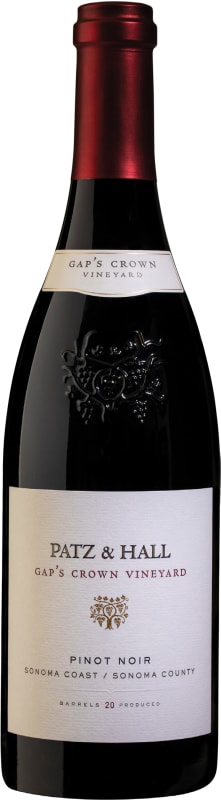


Winemaker Notes
This wine displays an intense purple hue, revealing aromas of blackberry cobbler and complex forest floor notes. Large in scale and densely textured, it delivers a full, layered impression on the palate, remaining fresh, tangy, and energetic as it unfolds to a black-fruited core with remarkable fruit density. The tannins are muscular yet lithe, making Gap’s Crown Vineyard a wine of exceptional longevity that will reward patient cellaring for many years.
Professional Ratings
-
Wine Enthusiast
Lush and full-bodied, this wine sends up black cherry and cinnamon aromas before a broad palate of dark plums, cranberries and black tea brings more complexity. Firm in tannins, this bottling is in no hurry to be drunk.
-
Robert Parker's Wine Advocate
The 2021 Pinot Noir Gap's Crown Vineyard, matured in 44% new French oak, is powerful and perfumed, releasing scents of blueberry, pomegranate, licorice and lavender. Its concentrated, layered flavors are structured by grainy tannins and mouthwatering acidity, and it has a long, super spicy finish.
-
Jeb Dunnuck
Coming from the Sonoma Coast, the 2021 Pinot Noir Gap's Crown Vineyard is a dark red/magenta color. Forward in the glass with aromas of scorched earth, pine, black cherries, and licorice, the palate is full and ripe with plush tannins and a supple, generous, fruity feel through the midpalate.
-
Wine Spectator
Mulberry and boysenberry puree notes give this fruit-driven wine an enticing feel, while ripples of savory, red tea and minerality add tension and length to the finish. With a touch of oak influence, this needs brief cellaring to soak that up. Best from 2025 through 2031.
-
Decanter
Juicy black and blue fruit with a blueberry compote chaser. There’s the slightest influence of oak that doesn’t intrude into the fore palate but gives it a nice structure. That, plus the acidity, ensures longevity. It wouldn’t be a crime to drink this now, but the impending development makes it much more enticing to begin drinking in two years.





Thin-skinned, finicky and temperamental, Pinot Noir is also one of the most rewarding grapes to grow and remains a labor of love for some of the greatest vignerons in Burgundy. Fairly adaptable but highly reflective of the environment in which it is grown, Pinot Noir prefers a cool climate and requires low yields to achieve high quality. Outside of France, outstanding examples come from in Oregon, California and throughout specific locations in wine-producing world. Somm Secret—André Tchelistcheff, California’s most influential post-Prohibition winemaker decidedly stayed away from the grape, claiming “God made Cabernet. The Devil made Pinot Noir.”

A vast appellation covering Sonoma County’s Pacific coastline, the Sonoma Coast AVA runs all the way from the Mendocino County border, south to the San Pablo Bay. The region can actually be divided into two sections—the actual coastal vineyards, marked by marine soils, cool temperatures and saline ocean breezes—and the warmer, drier vineyards further inland, which are still heavily influenced by the Pacific but not quite with same intensity.
Contained within the appellation are the much smaller Fort Ross-Seaview and Petaluma Gap AVAs.
The Sonoma Coast is highly regarded for elegant Pinot Noir, Chardonnay, and, increasingly, cool-climate Syrah. The wines have high acidity, moderate alcohol, firm tannin, and balanced ripeness.