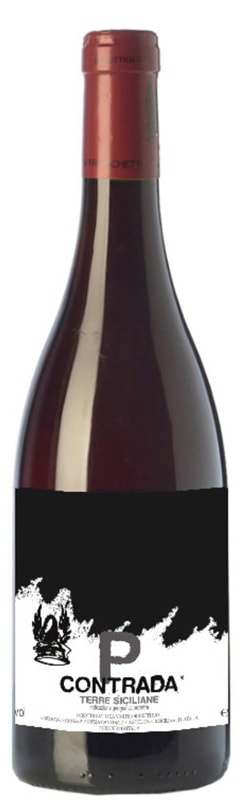


Winemaker Notes
The nerello mascalese wines of 2017 are strong in body, powerful in structure, with notes of ripe red fruits, blood orange, pomegranate, and camphor.
Professional Ratings
-
Wine Enthusiast
Wild cherry, crushed mint, forest floor and graphite aromas shape the nose on this gorgeous wine along with an earthy whiff of new leather. It's full bodied and elegantly structured, doling out Marasca cherry, raspberry compote, licorice and flinty mineral alongside enveloping, velvety tannins.
-
Robert Parker's Wine Advocate
Showing volume and generosity in terms of its aromatic delivery, the 2017 Contrada P is a mid-weight expression with forthcoming and immediate fruit aromas. Fruit is sourced from the Contrada Porcaria. The wine holds nothing back and instead delivers wild rose, cassis, aniseed and licorice. I love the carefree intensity and honesty with which this wine presents itself. There is a very subtle note of crushed white pepper on the close.
-
Wine Spectator
A suave, mouthwatering red, medium-bodied and framed by silky tannins that are finely meshed with the flavors of crushed raspberry, fig and woodsy spice, showing a touch of dark chocolate shavings. Bright and harmonious, yet long and layered through to the minerally finish.


Extending across the variable volcanic soils of the slopes of Mt. Etna at some of the highest vineyard altitudes in all of Europe—up to 3,300 feet—Nerello Mascalese is one of Sicily’s most noble red varieties. It makes a beautifully aromatic, firm, cellar-worthy but pale-hued red often comparable to a fine Burgundy or Barbaresco. Somm Secret—Nerello Mascalese takes its name from the black color of its grapes, nerello, and the Mascali plain between Mt. Etna and the coast where it is believed to have originated.

A large, geographically and climatically diverse island, just off the toe of Italy, Sicily has long been recognized for its fortified Marsala wines. But it is also a wonderful source of diverse, high quality red and white wines. Steadily increasing in popularity over the past few decades, Italy’s fourth largest wine-producing region is finally receiving the accolades it deserves and shining in today's global market.
Though most think of the climate here as simply hot and dry, variations on this sun-drenched island range from cool Mediterranean along the coastlines to more extreme in its inland zones. Of particular note are the various microclimates of Europe's largest volcano, Mount Etna, where vineyards grow on drastically steep hillsides and varying aspects to the Ionian Sea. The more noteworthy red and white Sicilian wines that come from the volcanic soils of Mount Etna include Nerello Mascalese and Nerello Cappuccio (reds) and Carricante (whites). All share a racy streak of minerality and, at their best, bear resemblance to their respective red and white Burgundies.
Nero d’Avola is the most widely planted red variety, and is great either as single varietal bottling or in blends with other indigenous varieties or even with international ones. For example, Nero d'Avola is blended with the lighter and floral, Frappato grape, to create the elegant, Cerasuolo di Vittoria, one of the more traditional and respected Sicilian wines of the island.
Grillo and Inzolia, the grapes of Marsala, are also used to produce aromatic, crisp dry Sicilian white. Pantelleria, a subtropical island belonging to the province of Sicily, specializes in Moscato di Pantelleria, made from the variety locally known as Zibibbo.