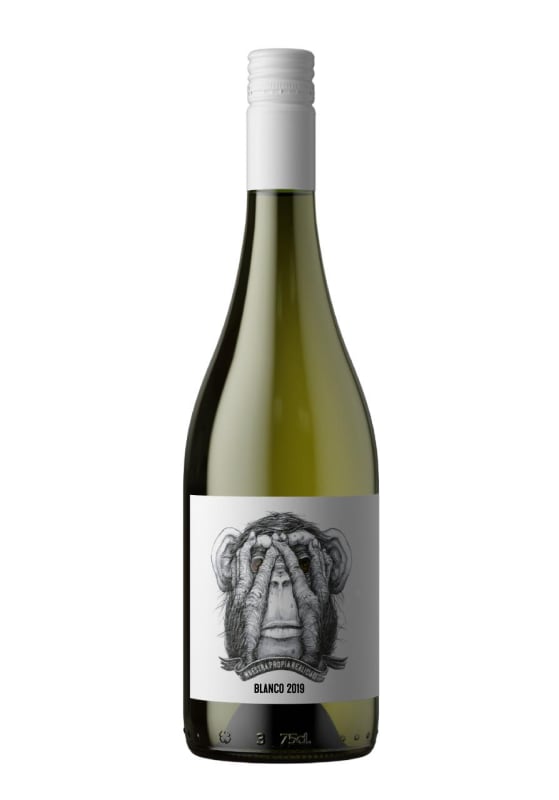


Winemaker Notes
This crisp, fruit driven wine shows notes of Cantaloupe and Honeydew melon mixed with waxy yellow beans and rose petals on the nose. The palate shows the melon fruit but adds jasmine, orange peel, and crushed wet rock with a touch of sweet pea. Bright acid highlights the refreshing finish.
Blend: 60% Sauvignon Blanc, 40% Semillon


Sometimes light and crisp, other times rich and creamy, Bordeaux White Blends typically consist of Sauvignon Blanc and Semillon. Often, a small amount of Muscadelle or Sauvignon Gris is included for added intrigue. Popularized in Bordeaux, the blend is often mimicked throughout the New World. Somm Secret—Sauternes and Barsac are usually reserved for dessert, but they can be served before, during or after a meal. Try these sweet wines as an aperitif with jamón ibérico, oysters with a spicy mignonette or during dinner alongside hearty Alsatian sausage.

By far the largest and best-known winemaking province in Argentina, Mendoza is responsible for over 70% of the country’s enological output. Set in the eastern foothills of the Andes Mountains, the climate is dry and continental, presenting relatively few challenges for viticulturists during the growing season. Mendoza, divided into several distinctive sub-regions, including Luján de Cuyo and the Uco Valley, is the source of some of the country’s finest wines.
For many wine lovers, Mendoza is practically synonymous with Malbec. Originally a Bordelaise variety brought to Argentina by the French in the mid-1800s, here it found success and renown that it never knew in its homeland where a finicky climate gives mixed results. Cabernet Sauvignon, Syrah, Merlot and Pinot Noir are all widely planted here as well (and sometimes even blended with each other or Malbec). Mendoza's main white varieties include Chardonnay, Torrontés, Sauvignon Blanc and Sémillon.