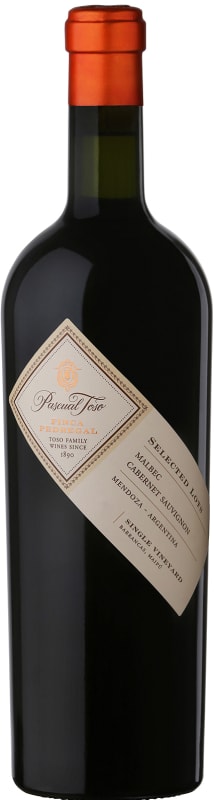


Winemaker Notes
This wine pairs well with lamb, venison, steak, and other red meats.
Blend: 65% Cabernet Sauvignon, 35% Malbec
Professional Ratings
-
James Suckling
A full-bodied red of 65% cabernet sauvignon and 35% malbec. Concentrated, but still fluid on the center-palate with hints of dark chocolate, cigar box and graphite to the ripe blackberries and spices. Tannins are densely packed and fine-grained. Long and intense finish.
-
Vinous
The 2021 Finca Pedregal Selected Lots is a blend of 65% Cabernet Sauvignon and 35% Malbec hails from Barrancas, Maipú and was 100% aged in new French barrels. Purple with a garnet sheen. In the nose, the aging process frames aromas of dark fruit and hints of spice, blackberry and syrup along with ripe plum notes. On the palate, it’s broad, juicy and fairly concentrated with extractive flavor while the oak reappears at the back of the mouth.
-
Wine Spectator
This has a slightly old-school Cabernet feel, with leather, tobacco and bay leaf notes joining a subtle undercurrent of floral cassis. Reveals rich, ripe blackberry flavors at the core and adequate acidity, allowing everything to fan out around firm but well-integrated, iron-tinged tannins and echoes of the core flavors. Cabernet Sauvignon and Malbec. Drink now through 2034.
-
Robert Parker's Wine Advocate
The pricey 2021 Finca Pedregal is dark, dense, concentrated and opaque, with a dark array of aromas intermixed with plenty of toasty oak after the wine matured for 15 months in 100% new 500-liter French oak barrels. It's a blend of 70% Cabernet Sauvignon and 30% Malbec but is dominated by the élevage. Maybe in 10 years' time?
Rating: 92?


One of the world’s most classic and popular styles of red wine, Bordeaux-inspired blends have spread from their homeland in France to nearly every corner of the New World. Typically based on either Cabernet Sauvignon or Merlot and supported by Cabernet Franc, Malbec and Petit Verdot, the best of these are densely hued, fragrant, full of fruit and boast a structure that begs for cellar time. Somm Secret—Blends from Bordeaux are generally earthier compared to those from the New World, which tend to be fruit-dominant.

By far the largest and best-known winemaking province in Argentina, Mendoza is responsible for over 70% of the country’s enological output. Set in the eastern foothills of the Andes Mountains, the climate is dry and continental, presenting relatively few challenges for viticulturists during the growing season. Mendoza, divided into several distinctive sub-regions, including Luján de Cuyo and the Uco Valley, is the source of some of the country’s finest wines.
For many wine lovers, Mendoza is practically synonymous with Malbec. Originally a Bordelaise variety brought to Argentina by the French in the mid-1800s, here it found success and renown that it never knew in its homeland where a finicky climate gives mixed results. Cabernet Sauvignon, Syrah, Merlot and Pinot Noir are all widely planted here as well (and sometimes even blended with each other or Malbec). Mendoza's main white varieties include Chardonnay, Torrontés, Sauvignon Blanc and Sémillon.