

Winemaker Notes
#28 Wine Enthusiast Top 100 Cellar Selections of 2019
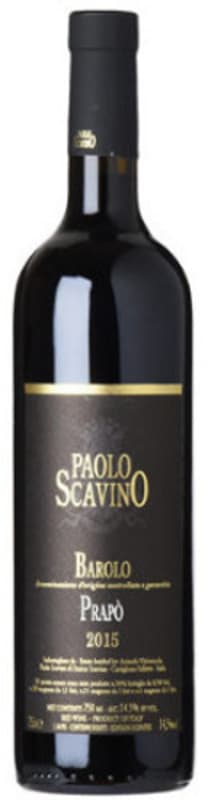
The premier release of Scavino’s Barolo ‘Prapò,’ from Serralunga d’Alba! Vineyards, which sit at 370 meters above sea level and face south/southeast, were planted with massal selection in 2010. Soils here are comprised of Formazioni di Lequio, a yellow-red sand combined with silty gray marl. Fruit harvested by hand in the third week of October. Skin maceration took place over 12 days, followed by a 20-30 day fermentation in stainless steel with indigenous yeast. Wine aged in a combination of French barrique and large casks for 2 years prior to bottling.
Professional Ratings
-
Wine Enthusiast
Aromas of incense, rose, iris and eucalyptus carry the nose of this compelling wine. The full-bodied palate is smooth and enveloping, delivering juicy black cherry, pomegranate, licorice, tobacco and clove. It has a fantastic combination of structure and finesse that shows the power of Serralunga and the elegance that is the hallmark of this estate. Hold for even more complexity. Drink 2025–2035.
-
Robert Parker's Wine Advocate
This is also a new wine, coming from less than a hectare in the Prapò vineyards, from which only five producers draw their fruit. It's a beautiful plot at about 1,000 feet in altitude and with a full southern exposure, producing some very meaty fruit with a high phenolic presence, as the color is darker and there is more perfume. The 2015 Barolo Prapò is a distinctive vintage of a wine that is one to watch, for sure. The vineyard makes the difference, with brown and orange sandy soils, along with marlstone and veins of soils more typical of the area. The Scavino family bought this plot in 2008 and let the land rest for two years before they replanted. The goal, they said, was to steer away from more productive clones in favor of those that wouldn't take away too much from the quality. They took wood from the mothership vineyards in Bricco Ambrogio for this experiment, grafting them onto the rootstocks they carefully selected. The result is a soft and delicate Barolo with a lot of personality to go along with its firmness and power. This is an easy cru to recognize. Enrico Scavino said they could have waited longer for this experimental harvest, but they felt the time was right, explaining that "this work is all about feelings and instincts."
-
James Suckling
Glazed cherries, orange peel, citrus, dried cranberries and tulips. A grainy and very refined palate follows, which rolls irresistibly through taut cherries and bright acidity. Chewy and long on the finish. Drink from 2023.
-
Wine & Spirits
The Scavino family bought this steep, two-acre plot in Serralunga’s Prapò cru in 2008 and let the soil rest before replanting with a massal selection of nebbiolo. This is the inaugural release of the wine, an impressive debut with bold red cherry flavors layered with tobacco, lavender and peppery spice, all held in an elegant tannic frame.
-
Wine Spectator
A ripe, fleshy version, offering eucalyptus, mint, cherry and subtle clove flavors. Dense, ending with dusty tannins that offset the sweet, ripe fruit. Best from 2023 through 2043.


Responsible for some of the most elegant and age-worthy wines in the world, Nebbiolo, named for the ubiquitous autumnal fog (called nebbia in Italian), is the star variety of northern Italy’s Piedmont region. Grown throughout the area, as well as in the neighboring Valle d’Aosta and Valtellina, it reaches its highest potential in the Piedmontese villages of Barolo, Barbaresco and Roero. Outside of Italy, growers are still very much in the experimentation stage but some success has been achieved in parts of California. Somm Secret—If you’re new to Nebbiolo, start with a charming, wallet-friendly, early-drinking Langhe Nebbiolo or Nebbiolo d'Alba.

The center of the production of the world’s most exclusive and age-worthy red wines made from Nebbiolo, the Barolo wine region includes five core townships: La Morra, Monforte d’Alba, Serralunga d’Alba, Castiglione Falletto and the Barolo village itself, as well as a few outlying villages. The landscape of Barolo, characterized by prominent and castle-topped hills, is full of history and romance centered on the Nebbiolo grape. Its wines, with the signature “tar and roses” aromas, have a deceptively light garnet color but full presence on the palate and plenty of tannins and acidity. In a well-made Barolo wine, one can expect to find complexity and good evolution with notes of, for example, strawberry, cherry, plum, leather, truffle, anise, fresh and dried herbs, tobacco and violets.
There are two predominant soil types here, which distinguish Barolo from the lesser surrounding areas. Compact and fertile Tortonian sandy marls define the vineyards farthest west and at higher elevations. Typically the Barolo wines coming from this side, from La Morra and Barolo, can be approachable relatively early on in their evolution and represent the “feminine” side of Barolo, often closer in style to Barbaresco with elegant perfume and fresh fruit.
On the eastern side of the Barolo wine region, Helvetian soils of compressed sandstone and chalks are less fertile, producing wines with intense body, power and structured tannins. This more “masculine” style comes from Monforte d’Alba and Serralunga d’Alba. The township of Castiglione Falletto covers a spine with both soil types.
The best Barolo wines need 10-15 years before they are ready to drink, and can further age for several decades.