


Winemaker Notes
A white wine produced from Grechetto, Malvasia, Chardonnay, Sauvignon and Garganega, in approximately equal proportions, planted in the Pagliaro vineyard, a site with alternating layers of gravel and clay at 1,300 feet above sea level with both east and southwest facing parcels. After crushing, the juice spends at least two weeks macerating on its lees; sulfur is never added. Fermentation occurs in small stainless steel vats at low temperatures. Two rackings are done early in the fermentation process to remove the heavy deposits and a third is done after three weeks. This wine is then left on the fine lees in stainless steel for one year before being bottled.
Professional Ratings
-
Robert Parker's Wine Advocate
My tasting with Giampiero Bea started off with the 2019 Santa Chiara, a blend of equal parts Grechetto, Malvasia, Garganega, Sauvignon and Chardonnay. The grapes were harvested together on September 24th and fermented as one with 25 days of skin contact. Fruit is sourced from various parcels over 12 hectares of estate vines and three hectares of leased land for a total of 7,320 bottles made in this vintage. The bouquet is rich and creamy with acacia honey, candied chestnut, dried apricot and fresh orchard fruit. The color is saturated, and the wine adds richness to the palate.

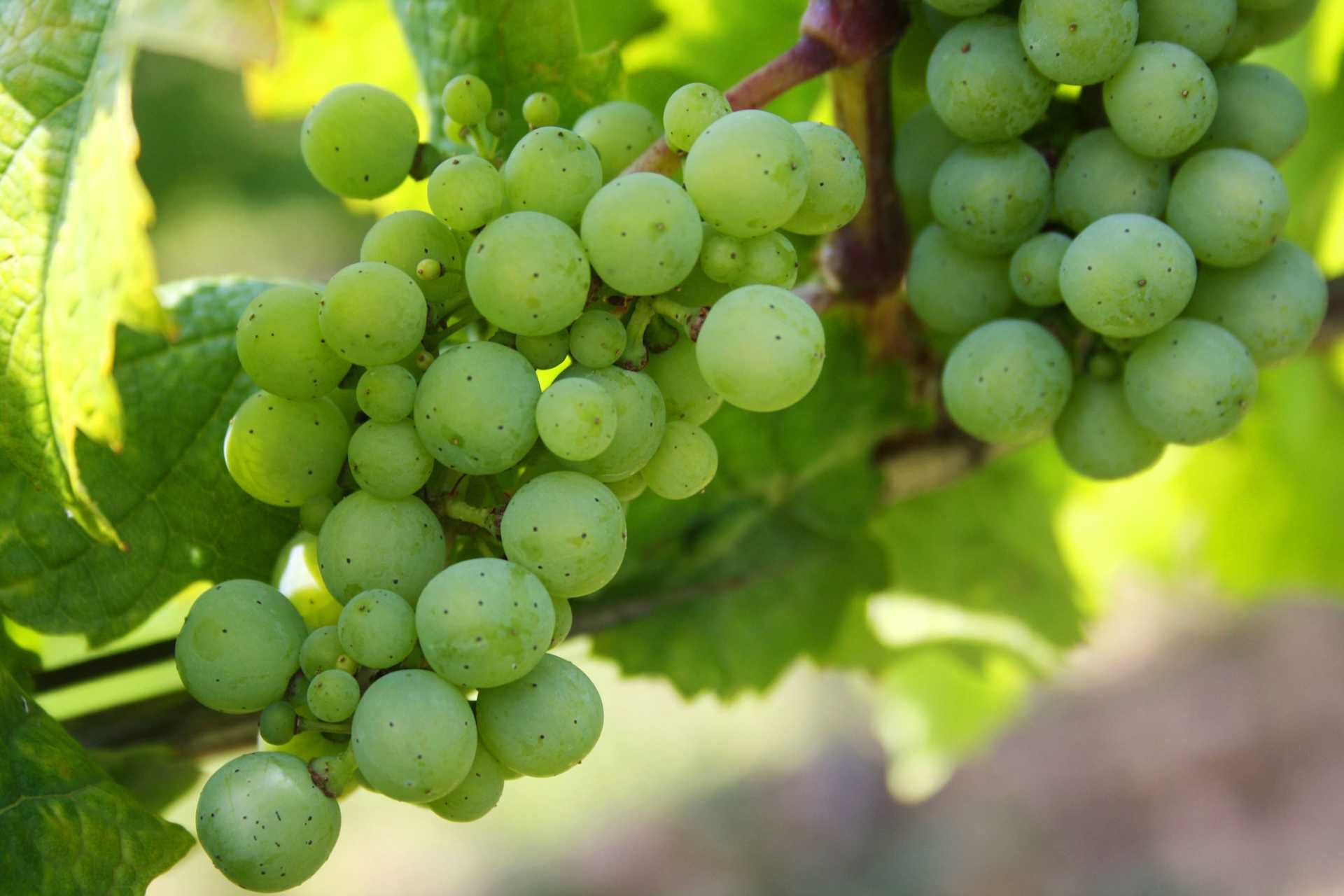
With hundreds of white grape varieties to choose from, winemakers have the freedom to create a virtually endless assortment of blended white wines. In many European regions, strict laws are in place determining the set of varieties that may be used in white wine blends, but in the New World, experimentation is permitted and encouraged. Blending can be utilized to enhance balance or create complexity, lending different layers of flavors and aromas. For example, a variety that creates a soft and full-bodied white wine blend, like Chardonnay, would do well combined with one that is more fragrant and naturally high in acidity. Sometimes small amounts of a particular variety are added to boost color or aromatics. Blending can take place before or after fermentation, with the latter, more popular option giving more control to the winemaker over the final qualities of the wine.

Centered upon the lush Apennine Range in the center if the Italian peninsula, Umbria is one of the few completely landlocked regions in Italy. It’s star red grape variety, Sagrantino, finds its mecca around the striking, hilltop village of Montefalco. The resulting wine, Sagrantino di Montefalco, is an age-worthy, brawny, brambly red, bursting with jammy, blackberry fruit and earthy, pine forest aromas. By law this classified wine has to be aged over three years before it can be released from the winery and Sagrantino often needs a good 5-10 more years in bottle before it reaches its peak. Incidentally these wines often fall under the radar in the scene of high-end, age-begging, Italian reds, giving them an almost cult-classic appeal. They are undoubtedly worth the wait!
Rosso di Montefalco, on the other had, is composed mainly of Sangiovese and is a more fruit-driven, quaffable wine to enjoy while waiting for the Sagrantinos to mellow out.
Among its green mountains, perched upon a high cliff in the province of Terni, sits the town of Orvieto. Orvieto, the wine, is a blend of at least 60% Trebbiano in combination with Grechetto, with the possible addition of other local white varieties. Orvieto is the center of Umbria’s white wine production—and anchor of the region’s entire wine scene—producing over two thirds of Umbria’s wine. A great Orvieto will have clean aromas and flavors of green apple, melon and citrus, and have a crisp, mineral-dominant finish.