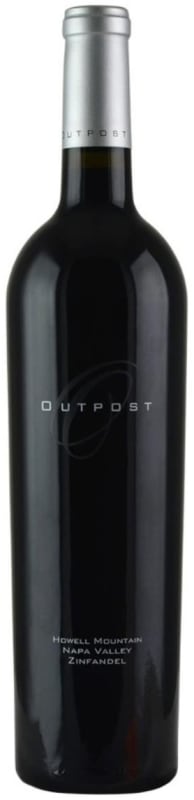


Winemaker Notes
This Zinfandel is all hand-harvested from Outpost's organically-farmed estate vineyard, which sits on top of Howell Mountain at 2,200 feet above Napa Valley. The unique terroir is defined by hard, rocky red soil, high altitude, gentle cooling breezes and sunny western exposure. Outpost grapes are harvested late in the season – by hand, at dawn – to preserve the full intensity and distinctive spicy character of the mountain fruit. The grapes are processed with as little manipulation as possible. Grapes from each block within the vineyard are fermented separately so that the winemaking team can be very selective about the lots that comprise the final blend. The wine is aged in 80% in new French Oak barrels for 19 months. Wines are neither fined nor filtered allowing for the full expression of the vintages’ potential.
Professional Ratings
-
James Suckling
A rich, luscious and creamy-textured red that goes deep into dried fruit and subtle oak spices on a full body. It’s practically a Port, offering elevated alcohol and a sense of sweetness in the dried blackberry, raspberry and milk chocolate notes, though dry and lightly tannic in mouthfeel.
-
Robert Parker's Wine Advocate
From vines planted in 1999 and 2010, Outpost's 2021 Zinfandel delivers classic briary, blackberry notes but also those blueberry nuances that seem somehow connected with Howell Mountain. Hints of dried spices, including a dash of cracked pepper, bring added complexity. This is full-bodied, ripe, rich and nicely textured, with a long, velvety finish.
-
Jeb Dunnuck
Lots of cedarwood, cigar tobacco, and exotic red and blue fruits emerge from the 2021 Zinfandel, a medium-bodied, supple, beautifully textured Zinfandel. It's certainly not holding anything back and is terrific today, yet it will no doubt evolve for a solid decade.


Unapologetically bold, spice-driven and jammy, Zinfandel has secured its title as the darling of California vintners by adapting well to the state's diverse microclimates and landscapes. Born in Croatia, it later made its way to southern Italy where it was named Primitivo. Fortunately, the imperial nursery of Vienna catalogued specimens of the vine, and it later made its way to New England in 1829. Parading the true American spirit, Zinfandel found a new home in California during the Gold Rush of 1849. Somm Secret—California's ancient vines of Zinfandel are those that survived the neglect of Prohibition; today these vines produce the most concentrated, ethereal and complex examples.

Today Cabernet Sauvignon is the star of this part of Napa’s rugged, eastern hills, but Zinfandel was responsible for giving the Howell Mountain growing area its original fame in the late 1800s.
Winemaking in Howell Mountain was abandoned during Prohibition, and wasn’t reawakened until the arrival of Randy Dunn, a talented winemaker famous for the success of Caymus in the 1970s and 1980s. In the early eighties, he set his sights on the Napa hills and subsequently astonished the wine world with a Howell Mountain Cabernet Sauvignon. Shortly thereafter Howell Mountain became officially recognized as the first sub-region of Napa Valley (1983).
With vineyards at 1,400 to 2,000 feet in elevation, they predominantly sit above the fog line but the days in Howell Mountain remain cooler than those in the heart of the valley, giving the grapes a bit more time on the vine.
The Howell Mountain AVA includes 1,000 acres of vineyards interspersed by forestlands in the Vaca Mountains. The soils, shallow and infertile with good drainage, are volcanic ash and red clay and produce highly concentrated berries with thick skins. The resulting wines are full of structure and potential to age.
Today Cabernet Sauvignon, Merlot and Petite Sirah thrive in this sub-appellation, as well as its founding variety, Zinfandel.