

Winemaker Notes
Professional Ratings
-
Jeb Dunnuck
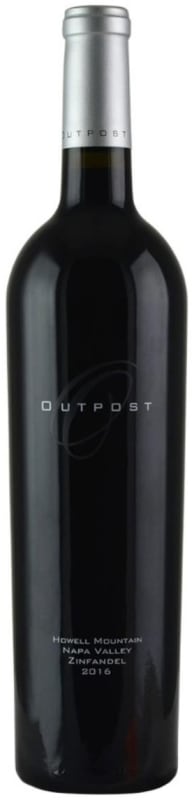
I loved the 2016 Zinfandel Howell Mountain, and this beauty has everything you could want from a mountain Zinfandel. Possessing a huge perfume of blue fruits, leafy herbs, and cedarwood, it hits the palate with medium to full-bodied richness, silky tannins, and a pleasure-bent, complex, layered texture that just begs to be drunk. It too will keep for over a decade.
-
James Suckling
A dense and layered red with strawberry and chocolate aromas and flavors. Full-bodied, yet fresh and vivid. Juicy tannins. Drink now.
-
Wilfred Wong of Wine.com
COMMENTARY: The 2016 Outpost is powerful and extracted. TASTING NOTES: This a full-throttled wine. Its aromas and flavors of extracted berries and wood stay long on the palate. Pair its power with aged cheddar. (Tasted: May 13, 2019, San Francisco, CA)
-
Robert Parker's Wine Advocate
The 2016 Zinfandel is composed 100% of this variety, coming from Howell Mountain and aged for 16 months in French oak, 34% new. It gives up bold, unabashed notes of dried mulberries, fruitcake, blackberry pie and and raspberry preserves with hints of dried roses and dusty soil plus a touch of garrigue. Full-bodied and decadently fruited with tons of exotic spice sparks, it has a firm, chewy texture and just enough freshness to support the generous fruit, finishing on an earthy note. 1,192 cases were made.


Unapologetically bold, spice-driven and jammy, Zinfandel has secured its title as the darling of California vintners by adapting well to the state's diverse microclimates and landscapes. Born in Croatia, it later made its way to southern Italy where it was named Primitivo. Fortunately, the imperial nursery of Vienna catalogued specimens of the vine, and it later made its way to New England in 1829. Parading the true American spirit, Zinfandel found a new home in California during the Gold Rush of 1849. Somm Secret—California's ancient vines of Zinfandel are those that survived the neglect of Prohibition; today these vines produce the most concentrated, ethereal and complex examples.

Today Cabernet Sauvignon is the star of this part of Napa’s rugged, eastern hills, but Zinfandel was responsible for giving the Howell Mountain growing area its original fame in the late 1800s.
Winemaking in Howell Mountain was abandoned during Prohibition, and wasn’t reawakened until the arrival of Randy Dunn, a talented winemaker famous for the success of Caymus in the 1970s and 1980s. In the early eighties, he set his sights on the Napa hills and subsequently astonished the wine world with a Howell Mountain Cabernet Sauvignon. Shortly thereafter Howell Mountain became officially recognized as the first sub-region of Napa Valley (1983).
With vineyards at 1,400 to 2,000 feet in elevation, they predominantly sit above the fog line but the days in Howell Mountain remain cooler than those in the heart of the valley, giving the grapes a bit more time on the vine.
The Howell Mountain AVA includes 1,000 acres of vineyards interspersed by forestlands in the Vaca Mountains. The soils, shallow and infertile with good drainage, are volcanic ash and red clay and produce highly concentrated berries with thick skins. The resulting wines are full of structure and potential to age.
Today Cabernet Sauvignon, Merlot and Petite Sirah thrive in this sub-appellation, as well as its founding variety, Zinfandel.