


Winemaker Notes
The result of a rather late harvest and therefore favorable to the aromatic expression of white wines, Poggio alle Gazze dell’Ornellaia 2019 has a bright straw yellow color with green reflections. On the nose it releases intense notes of citrus and exotic fruit accompanied by scents of mowed grass and asparagus. On the palate it is full-bodied and vibrant, characterized by a vibrant acidity and a mineral and lingering finish.
Professional Ratings
-
James Suckling
Bright and vivid sauvignon with sliced lemons and limes, as well as some grass and fresh fennel. Medium-bodied with gooseberry, lychee and lime flavors. Bright acidity. Bitter lemon at the finish. Drink now.
-
Robert Parker's Wine Advocate
Sauvignon Blanc is complemented with smaller parts Vermentino and Viognier to produce the 2019 Poggio alle Gazze dell'Ornellaia. This remains one of the great, fresh and easy-drinking whites of the Tuscan Coast, and historically, it has a leg up on most of the newcomer Vermentinos that are so popular now. Indeed, this was the precursor and a direct link to the gastronomy of its birthplace, which is so heavily driven by the catch of the day netted by local fisherman. Floral and exotic fruit tones rise from the pretty bouquet with shadings of green papaya and citrus. About one-half of the total sees some oak aging, and the rest goes into steel vat and cement. The wine is luminous and bright with lots of energy and freshness.
-
Decanter
This is enjoyable, it has an attractive kick and a savoury herb edge. As it opens the register changes and deepens, with white pear and apple blossom that add interest and a succulent depth alongside the Sauvignon Blanc-dominated citrus and asparagus. Axel Heinz and Olga Fusari are the winemakers.

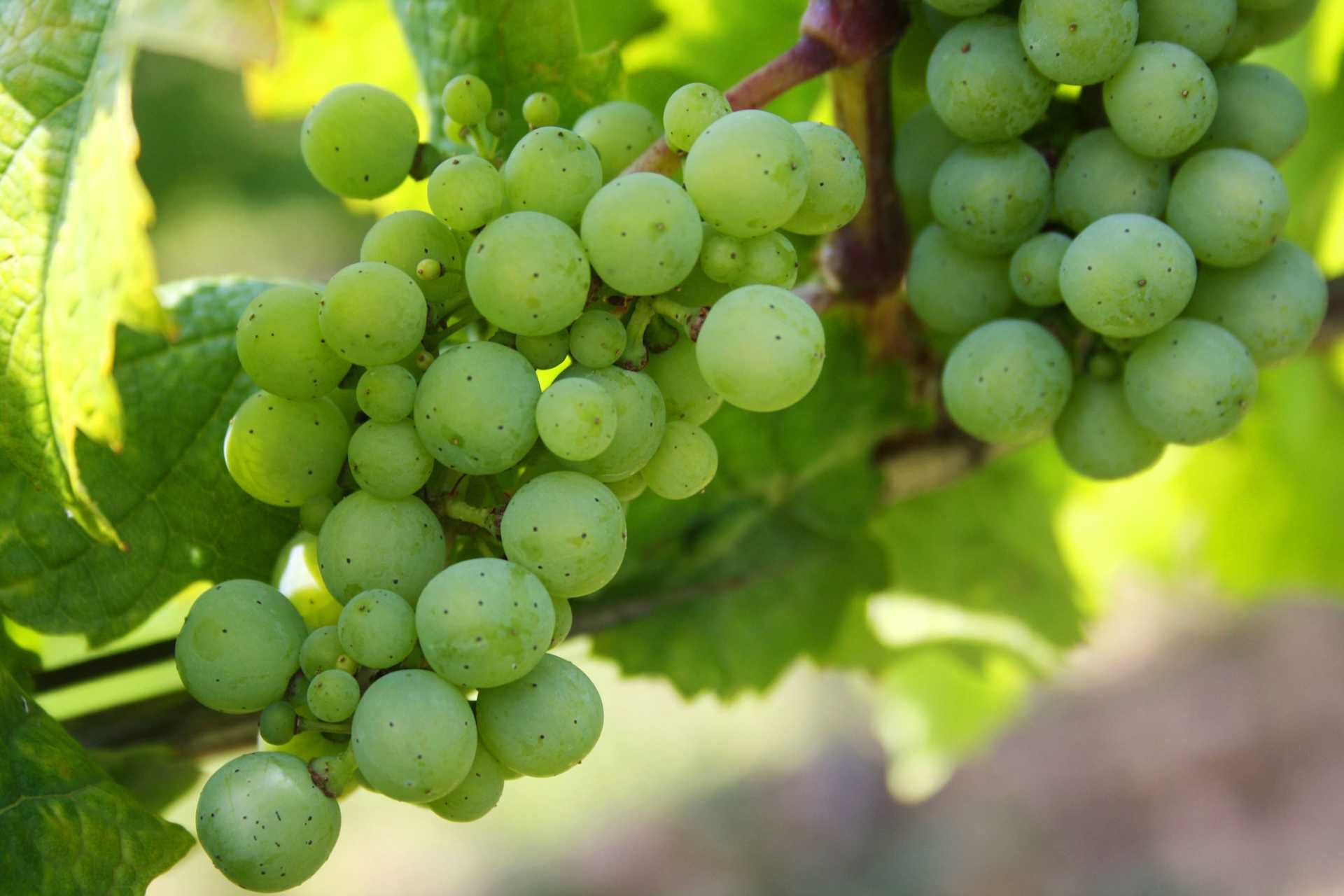
With hundreds of white grape varieties to choose from, winemakers have the freedom to create a virtually endless assortment of blended white wines. In many European regions, strict laws are in place determining the set of varieties that may be used in white wine blends, but in the New World, experimentation is permitted and encouraged. Blending can be utilized to enhance balance or create complexity, lending different layers of flavors and aromas. For example, a variety that creates a soft and full-bodied white wine blend, like Chardonnay, would do well combined with one that is more fragrant and naturally high in acidity. Sometimes small amounts of a particular variety are added to boost color or aromatics. Blending can take place before or after fermentation, with the latter, more popular option giving more control to the winemaker over the final qualities of the wine.

One of the most iconic Italian regions for wine, scenery and history, Tuscany is the world’s most important outpost for the Sangiovese grape. Tuscan wine ranges in style from fruity and simple to complex and age-worthy, Sangiovese makes up a significant percentage of plantings here, with the white Trebbiano Toscano coming in second.
Within Tuscany, many esteemed wines have their own respective sub-zones, including Chianti, Brunello di Montalcino and Vino Nobile di Montepulciano. The climate is Mediterranean and the topography consists mostly of picturesque rolling hills, scattered with vineyards.
Sangiovese at its simplest produces straightforward pizza-friendly Tuscan wines with bright and juicy red fruit, but at its best it shows remarkable complexity and ageability. Top-quality Sangiovese-based wines can be expressive of a range of characteristics such as sour cherry, balsamic, dried herbs, leather, fresh earth, dried flowers, anise and tobacco. Brunello, an exceptionally bold Tuscan wine, expresses well the particularities of vintage variations and is thus popular among collectors. Chianti is associated with tangy and food-friendly dry wines at various price points. A more recent phenomenon as of the 1970s is the “Super Tuscan”—a red wine made from international grape varieties like Cabernet Sauvignon, Merlot, Cabernet Franc and Syrah, with or without Sangiovese. These are common in Tuscany’s coastal regions like Bolgheri, Val di Cornia, Carmignano and the island of Elba.