

Winemaker Notes
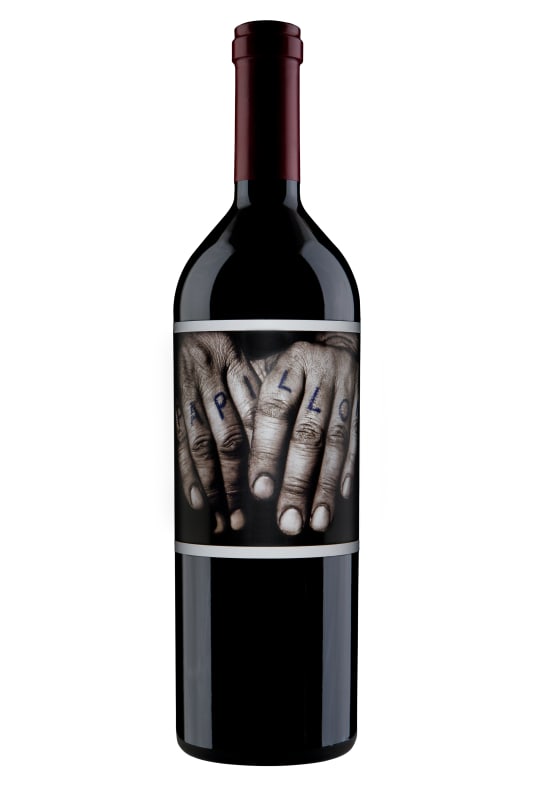
The 2019 Papillon pours a neon crimson and settles into a dark core with a ruby rim—crimson through and through. Aromatically, the wine opens with powerful notes of blackberry, kirsch, coastal sagebrush and evolves into ripe pluot and roasted fig. An enveloping entry of grandeur, the palate reveals a more elegant side of the wine: black plum, blackcurrant, toffee and trace hints of sweet red vermouth, muddled mint, and orange peel. Polished, balanced and with an imagined sweetness, the wine closes with ripe but firm tannin and a mild drying character, capable of converting even the staunchest of Bordeaux-philes.
Professional Ratings
-
Wine Spectator
Fruit fans will dig this for its open and inviting display of açaí berry, plum sauce and warmed cassis aromas and flavors, all laced with melted black licorice and given a light mocha cloak on the broad, polished finish. A subtle savory tobacco element in the background adds a counterpoint, but this is aimed squarely at the hedonist crowd. Cabernet Sauvignon, Merlot, Petit Verdot, Malbec and Cabernet Franc. Drink now
-
Robert Parker's Wine Advocate
A blend of all five Bordeaux varieties, the 2019 Papillon Red Wine is a full-bodied, open-knit effort marked by pronounced notes of cedar, mocha and black cherries. Soft across the mid-palate, it turns crisper on the juicy, mouthwatering finish, but it manages to nicely conceal its considerable alcohol content (labeled at 16.1%).


Undoubtedly proving its merit over and over, Napa Valley is a now a leading force in the world of prestigious red wine regions. Though Cabernet Sauvignon dominates Napa Valley, other red varieties certainly thrive here. Important but often overlooked include Merlot and other Bordeaux varieties well-regarded on their own as well as for their blending capacities. Very old vine Zinfandel represents an important historical stronghold for the region and Pinot noir is produced in the cooler southern parts, close to the San Pablo Bay.
Perfectly situated running north to south, the valley acts as a corridor, pulling cool, moist air up from the San Pablo Bay in the evenings during the hot days of the growing season, which leads to even and slow grape ripening. Furthermore the valley claims over 100 soil variations including layers of volcanic, gravel, sand and silt—a combination excellent for world-class red wine production.