
Winemaker Notes
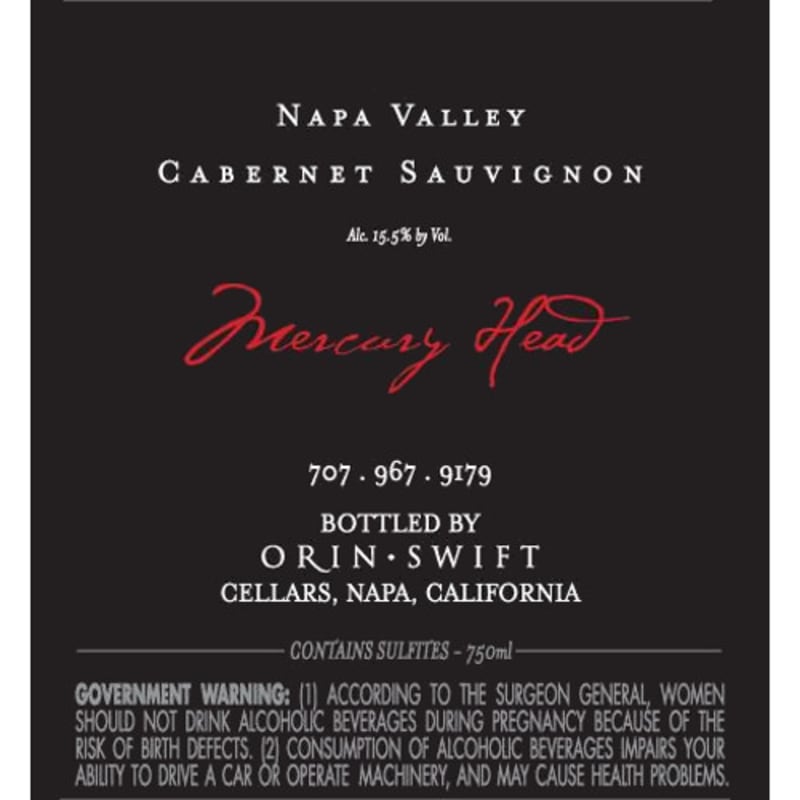
Not produced since 2009, the wine was de-classified into other programs following two particularly challenging vintages. In contrast, the 2012 harvest offered us a classic bounty and is poised to be one of the finest offerings ever made. Small berries with bright acidity and already refined tannins were in abundance from a near perfect growing season. In addition to St. Helena vineyards, Taplin and Morisoli, we incorporated fruit for the first time from The Atlas Peak AVA. This is notable in that we are in the process of planting our own vineyard nearby to be used in future releases. Always considered to be our finest Cabernet Sauvignon, the best vineyards, lots, and barrels are used for this refined and serious wine.
Saturated ruby red in complexion, the wine exudes elegance, purity and richness. Teeming with profound aromas of black raspberries, currants, cassis, cedar and rose petals, it invites the senses. The entry is lush and pure which provides shape to an ideal symmetry of dark berries, cocoa, plums, and black cherries. The flavors transition into a savory and bright mouthfeel, finishing with absolute elegance and softness.
Professional Ratings
-
Wine Spectator
Ripe, perfumed blackberry, black cherry, plum and boysenberry flavors offer lots of fruit complexity and tannins. Though extracted and gripping, the fruit eases through. Drink now through 2027.


One of the most prestigious wines of the world capable of great power and grace, Napa Valley Cabernet is a leading force in the world of fine, famous, collectible red wine. Today the Napa Valley and Cabernet Sauvignon are so intrinsically linked that it is difficult to discuss one without the other. But it wasn’t until the 1970s that this marriage came to light; sudden international recognition rained upon Napa with the victory of the Stag’s Leap Wine Cellars 1973 Cabernet Sauvignon in the 1976 Judgement of Paris.
Cabernet Sauvignon undoubtedly dominates Napa Valley today, covering half of the land under vine, commanding the highest prices per ton and earning the most critical acclaim. Cabernet Sauvignon’s structure, acidity, capacity to thrive in multiple environs and ability to express nuances of vintage make it perfect for Napa Valley where incredible soil and geographical diversity are found and the climate is perfect for grape growing. Within the Napa Valley lie many smaller sub-AVAs that express specific characteristics based on situation, slope and soil—as a perfect example, Rutherford’s famous dust or Stags Leap District's tart cherry flavors.