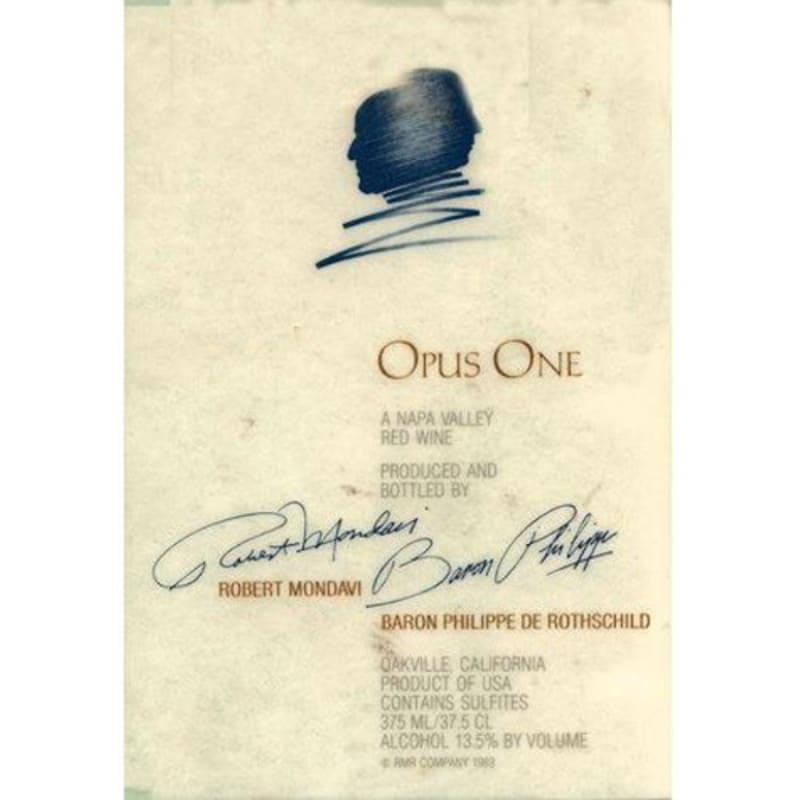

Winemaker Notes
Professional Ratings
-
Wine Spectator
Sleek and well-built, this is still a bit tight, with the core of gently mulled red and black currant fruit not yet fully unfurled. The edges ripple with cedar, alder and savory notes, and there’s nice lingering tension through the finish in the form of an iron twang. A drape of smoldering tobacco and menthol hangs over it all. Lovely. Cabernet Sauvignon, Merlot, Cabernet Franc, Petit Verdot and Malbec.
-
James Suckling
I for one prefer the 2006 Opus to the 2007. I really appreciate the silky, refined, and aromatic quality of this wine. It’s full yet balanced with blueberry, currants, and spices on the finish. Racy is a word that comes to mind.
-
Robert Parker's Wine Advocate
The 2006 comes across as a bigger, more structured wine than the 2007. The tannins are bolder, more dramatic, and more present. The wine displays impressive depth, not the velvety elegance of the 2007, but is a more muscular wine that begs for 2-3 years of cellaring and should drink well for 20-25 years.
-
Wine Enthusiast
A very good Opus with plenty of forward cherries and black raspberries as well as rich notes of spiced oak that give a nougat or crunchy vanilla granola sweetness to the finish. The vintage was not Opus One’s best, but the wine is impeccably crafted, and shows its usual fine tannic structure.


Undoubtedly proving its merit over and over, Napa Valley is a now a leading force in the world of prestigious red wine regions. Though Cabernet Sauvignon dominates Napa Valley, other red varieties certainly thrive here. Important but often overlooked include Merlot and other Bordeaux varieties well-regarded on their own as well as for their blending capacities. Very old vine Zinfandel represents an important historical stronghold for the region and Pinot noir is produced in the cooler southern parts, close to the San Pablo Bay.
Perfectly situated running north to south, the valley acts as a corridor, pulling cool, moist air up from the San Pablo Bay in the evenings during the hot days of the growing season, which leads to even and slow grape ripening. Furthermore the valley claims over 100 soil variations including layers of volcanic, gravel, sand and silt—a combination excellent for world-class red wine production.