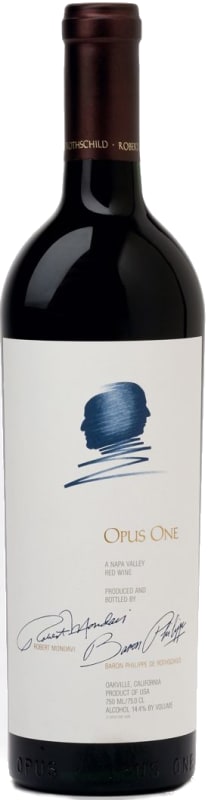


Winemaker Notes
Blend: 86% Cabernet Sauvignon, 8% Cabernet Franc, 3% Merlot, 3% Malbec
Professional Ratings
-
Wine Spectator
This is in a great spot right now, with a detailed core that sports a mix of red and black currant and cherry fruit inlaid with lively tobacco, orange peel, cedar and earth accents. There’s also apple wood, black tea and incense on the finish. Very long—and still with a bit of grip to shed too. No rush.
-
Robert Parker's Wine Advocate
This is one of the finest Opus Ones to date, offering a dark ruby/purple color, as well as a striking, intense bouquet of sweet licorice intermixed with blackberries, cassis, plums, and saddle leather. This seamless, full-bodied wine is more velvety-textured, opulent, and succulent than past vintages. The mid-palate is expansive and chewy. The long finish is filled with glycerin, ripe fruit, and sweet tannin. Drink this impressive, user-friendly yet richly concentrated effort over the next 15 years.
-
Decanter
The 1996 Opus One reveals an intense and expressive bouquet of black cherries, plums, cassis and spices; the prelude to a rich, textural and quite densely extracted palate impression with some firm tannins on the back end. By the mid-1990s, Opus One saw considerably longer macerations than was the case in the 1980s, and than is the case today, so their tannic profiles tend to be rather more monolithic. While the 1996 blend includes Malbec, which first became a component of Opus One in 1994, it is also the last Opus One not to include any Petit Verdot, a grape that has been part of the blend ever since 1997.


One of the world’s most classic and popular styles of red wine, Bordeaux-inspired blends have spread from their homeland in France to nearly every corner of the New World. Typically based on either Cabernet Sauvignon or Merlot and supported by Cabernet Franc, Malbec and Petit Verdot, the best of these are densely hued, fragrant, full of fruit and boast a structure that begs for cellar time. Somm Secret—Blends from Bordeaux are generally earthier compared to those from the New World, which tend to be fruit-dominant.

Home to some of the most sought-after Cabernet Sauvignon in America, Napa Valley’s Oakville district stretches across the center of Napa's valley floor and foothills between the Vaca and Mayacamas Mountains. This AVA is home to the legendary To Kalon Vineyard and Martha's Vineyard, as well as many powerhouse wineries including Screaming Eagle, Silver Oak, Robert Mondavi, Opus One, Far Niente and Groth.
The climate is generally warm and agreeable, resulting in year after year of favorable vintages. Summer days see a gentle tug of war between warmer inland air and the cool air coming in from the San Pablo Bay, creating an ideal environment to grow red varieties. Oakville's diverse soils, namely ancient sea bedrock, clay and gravel, are well-drained, and perfect for high-caliber viticulture.
Cabernet here is often bottled varietally but is also popular in Bordeaux Blends. Oakville wines are known for their silky, sensual textures, structured tannins, dark and brooding fruit and lovely aromatics. These age-worthy and prestigious wines are favored by collectors throughout the world.