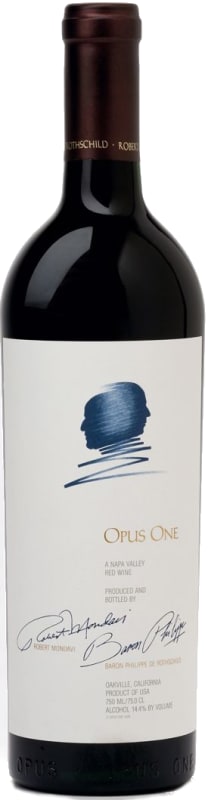


Winemaker Notes
Professional Ratings
-
Robert Parker's Wine Advocate
Medium brick color. Intense nose of dried blackberries and cherries laced with complex aromas of coffee grounds, tobacco leaf, cumin and soy. Nice concentration of mature berry and spice fruit balanced by medium to firm, slightly chewy tannins and medium to high acidity. A more structured style of Opus. Very long finish.
-
James Suckling
Delicious aromas of chocolate, sweet tobacco, and currants. Full bodied and very soft, with velvety tannins and plenty of fruit. Interesting notes of iodine, lavender, iron, and plum. This is textbook stuff, holding on beautifully. Find the wine
-
Wine Spectator
Shows mushroom and wet earth notes that hint at some oxidation, while steeped black currant and black cherry fruit is a shade darker and more robust than most of its siblings in this vertical. Twinges of cedar, walnut and baking spices filter through on the finish, which shows a bit of burly toast and muscular extraction.


Undoubtedly proving its merit over and over, Napa Valley is a now a leading force in the world of prestigious red wine regions. Though Cabernet Sauvignon dominates Napa Valley, other red varieties certainly thrive here. Important but often overlooked include Merlot and other Bordeaux varieties well-regarded on their own as well as for their blending capacities. Very old vine Zinfandel represents an important historical stronghold for the region and Pinot noir is produced in the cooler southern parts, close to the San Pablo Bay.
Perfectly situated running north to south, the valley acts as a corridor, pulling cool, moist air up from the San Pablo Bay in the evenings during the hot days of the growing season, which leads to even and slow grape ripening. Furthermore the valley claims over 100 soil variations including layers of volcanic, gravel, sand and silt—a combination excellent for world-class red wine production.