


Winemaker Notes
The 2023 Rosé enchants the nose with aromas of jasmine, watermelon and tangerine with underlying mineral accents. The palate is fresh and summery, filling the mouth with notes of raspberry, melon, tangelo, wet slate and sea spray. Citrusy acidity lingers on a luscious, quenching finish. The 2023 Rosé is perfect match for warm weather, festive gatherings, andseasonal spring and summer fare. Suggested pairings include mandarinorange salad, grilled chicken, bánh mì, veggie pizza and fish tacos.
Professional Ratings
-
James Suckling
The nose is pure and fresh, with aromas of strawberries, rose petals and watermelon. The palate is light-bodied with a generous texture and vibrant acidity, giving notes of peaches, nectarines and sea salt. A balanced and delicious Provencal-style rose.
-
Wine Enthusiast
This bottling raises money for the nonprofit women-in-wine program Dream Big Darling. It begins with aromas of ripe watermelon, cherry and Meyer lemon pith on the nose. The palate’s orange and lemon-peel flavors give an edge to the fatter apple and pear core.
Best Buy


Whether it’s playful and fun or savory and serious, most rosé today is not your grandmother’s White Zinfandel, though that category remains strong. Pink wine has recently become quite trendy, and this time around it’s commonly quite dry. Since the pigment in red wines comes from keeping fermenting juice in contact with the grape skins for an extended period, it follows that a pink wine can be made using just a brief period of skin contact—usually just a couple of days. The resulting color depends on grape variety and winemaking style, ranging from pale salmon to deep magenta.
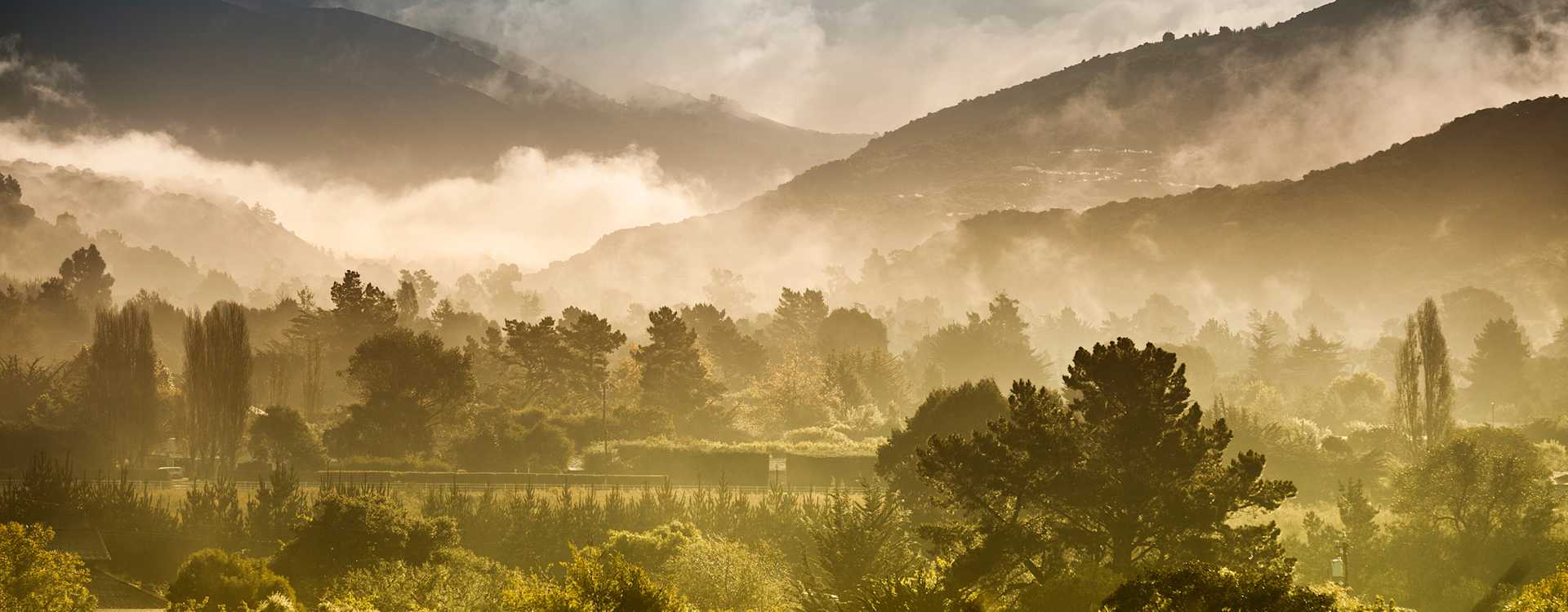
The largest and perhaps most varied of California’s wine-growing regions, the Central Coast produces a good majority of the state's wine. This vast California wine district stretches from San Francisco all the way to Santa Barbara along the coast, and reaches inland nearly all the way to the Central Valley.
Encompassing an extremely diverse array of climates, soil types and wine styles, it contains many smaller sub-AVAs, including San Francisco Bay, Monterey, the Santa Cruz Mountains, Paso Robles, Edna Valley, Santa Ynez Valley and Santa Maria Valley.
While the Central Coast California wine region could probably support almost any major grape varietiy, it is famous for a few Central Coast reds and whites. Pinot Noir, Chardonnay, Cabernet Sauvignon and Zinfandel are among the major ones. The Central Coast is home to many of the state's small, artisanal wineries crafting unique, high-quality wines, as well as larger producers also making exceptional wines.