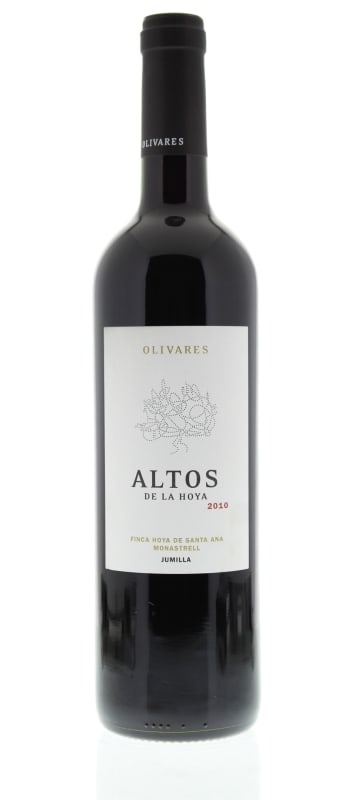


Winemaker Notes
The heat-loving Monastrell is known as Mourvèdre in France's Rhone valley. Jumilla records show that Monastrell was used at least as early as the 15th century. Like the Rhone, Jumilla gets extremely hot during the summer days, but because of the 1,500 foot elevation, nights are very cool. This allows the grapes to become physiologically ripe, yet maintain their acidity.


Spanish red wine is known for being bold, heady, rustic and age-worthy, Spain is truly a one-of-a-kind wine-producing nation. A great majority of the country is hot, arid and drought-ridden, and since irrigation has only been recently introduced and (controversially) accepted, viticulture has sustained—and flourished—only through a great understanding of Spain’s particular conditions. Large spacing between vines allows each enough resources to survive and as a result, the country has the most acreage under vine compared to any other country, but is usually third in production.
Of the Spanish red wines, the most planted and respected grape variety is Tempranillo, the star of Spain’s Rioja and Ribera del Duero regions. Priorat specializes in bold red blends, Jumilla has gained global recognition for its single varietal Monastrell and Utiel-Requena has garnered recent attention for its reds made of Bobal.