


Winemaker Notes
Crafted in the heart of Cotes de Provence in the village of Vidauban, the 2024 Olema Rosé embodies the classic Provençal style, shaped by an ideal growing season of warm days and timely rains. Aromas are bright and expressive, with classic rosé notes of ripe strawberry, cantaloupe, yellow peach, orange blossom, and a hint of currant bud. On the palate, vibrant acidity brings freshness and lift to layered flavors of strawberry, melon, cranberry, and cherry, with subtle notes of tangerine and juniper berry adding complexity to a crisp, elegant finish.
Blend: 38% Grenache, 31% Cinsault, 10% Syrah, 8% Carignan, 7% Mourvèdre, 6% Rolle
Professional Ratings
-
James Suckling
A fresh and fruity rosé with aromas of sliced lemons, candied cantaloupe, peaches and a touch of strawberries. Medium- to full-bodied with light phenolics and a crunchy and lightly chewy finish. A blend of mostly grenache with some mouvedre and cinsault.
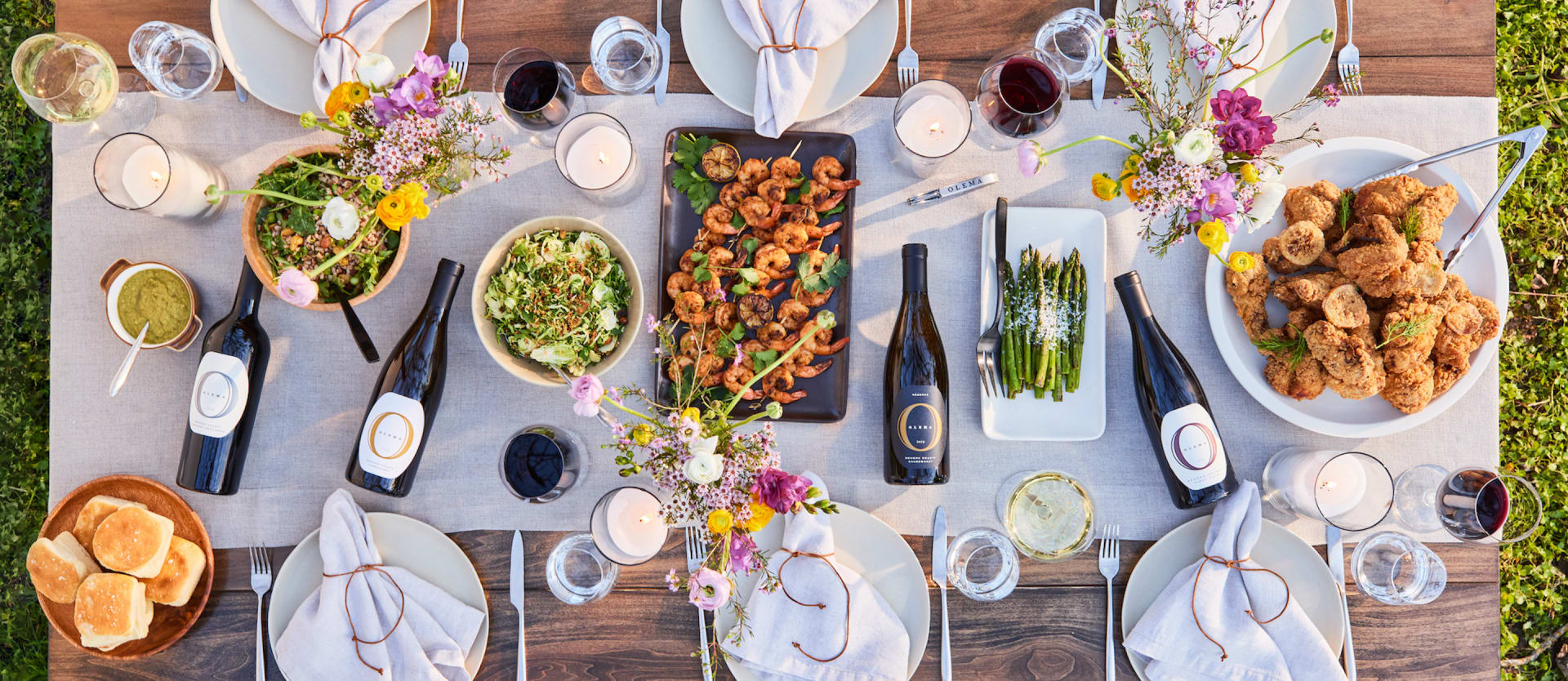
In 2005 after a decade of building their highly acclaimed flagship Napa Valley estate, Amici Cellars’ proprietors, John Harris and Bob Shepard, launched its sister brand, Olema, a distinct collection of wines that are focused on fruit and terroir, well-balanced in structure, excellent everyday wines.
The stand-alone brand is recognized for its portfolio of thoughtfully crafted, approachable wines. Under the direction of Amici Cellars’ skilled winemaking team, Olema has swiftly grown a fan following with wine critics and customers for its classic varietals and fresh new look.
At Olema the goal is to bring the best possible fruit to the cellar. The more the vines are in balance, the better the fruit, and the better the fruit, the easier it is to make great wine. From when the grapes arrive at the winery to when the wine is bottled, the Olema team ensures that its wines are both true to their classic varietal characteristics and growing regions.

Whether it’s playful and fun or savory and serious, most rosé today is not your grandmother’s White Zinfandel, though that category remains strong. Pink wine has recently become quite trendy, and this time around it’s commonly quite dry. Since the pigment in red wines comes from keeping fermenting juice in contact with the grape skins for an extended period, it follows that a pink wine can be made using just a brief period of skin contact—usually just a couple of days. The resulting color depends on grape variety and winemaking style, ranging from pale salmon to deep magenta.

Cotes de Provence is an extensive but valuable appellation that includes vineyards bordering the main Provencal appellations. Its sites vary from subalpine hills, which receive the cooling effects of the mountains to the north, to the coastal St-Tropez, a region mainly influenced by the warm Mediterranean sunshine.
Here the focus is on quality rosé, as it defines four fifths of the region’s wines. Following in the rosé footsteps, a lot of new effort is going into the region’s red production as well. A new generation has turned its focus on high quality Grenache, Syrah, Cinsault and Carignan. Cotes de Provence white wines, which represent a miniscule part of the region as far as volume, are nonetheless worthy of consideration and can include any combination of Clairette, Semillon, Ugni Blanc and Vermentino.