


Winemaker Notes
Typical for a wine from this location is the smoky, spicy note in the nose, which was shaped by the shell limestone soil. The extraordinary composition of the soil is reflected in a very distinctive taste of minerality - the play of salts and acids - which allows us to "taste" the wine for a very long time. Due to the perfect ripeness of the grapes, the gentle processing of the grapes and mash, as well as our careful aging in stainless steel barrels, a very varietal wine with a lot of elegance was created. The tension between ripeness, strength, fruit, fullness and mineral-cool, elegant acidity make this Pinot Blanc so appealing.
Professional Ratings
-
James Suckling
What a beautiful nose of sour cherries and red beets this Pfalz pinot noir has! Super-elegant and very fresh, this may only be medium-bodied, but it has wonderfully fine tannins and has been built to last. A shining star that shines brightest at the very long, mineral finish. From biodynamically grown grapes with Respekt certification.

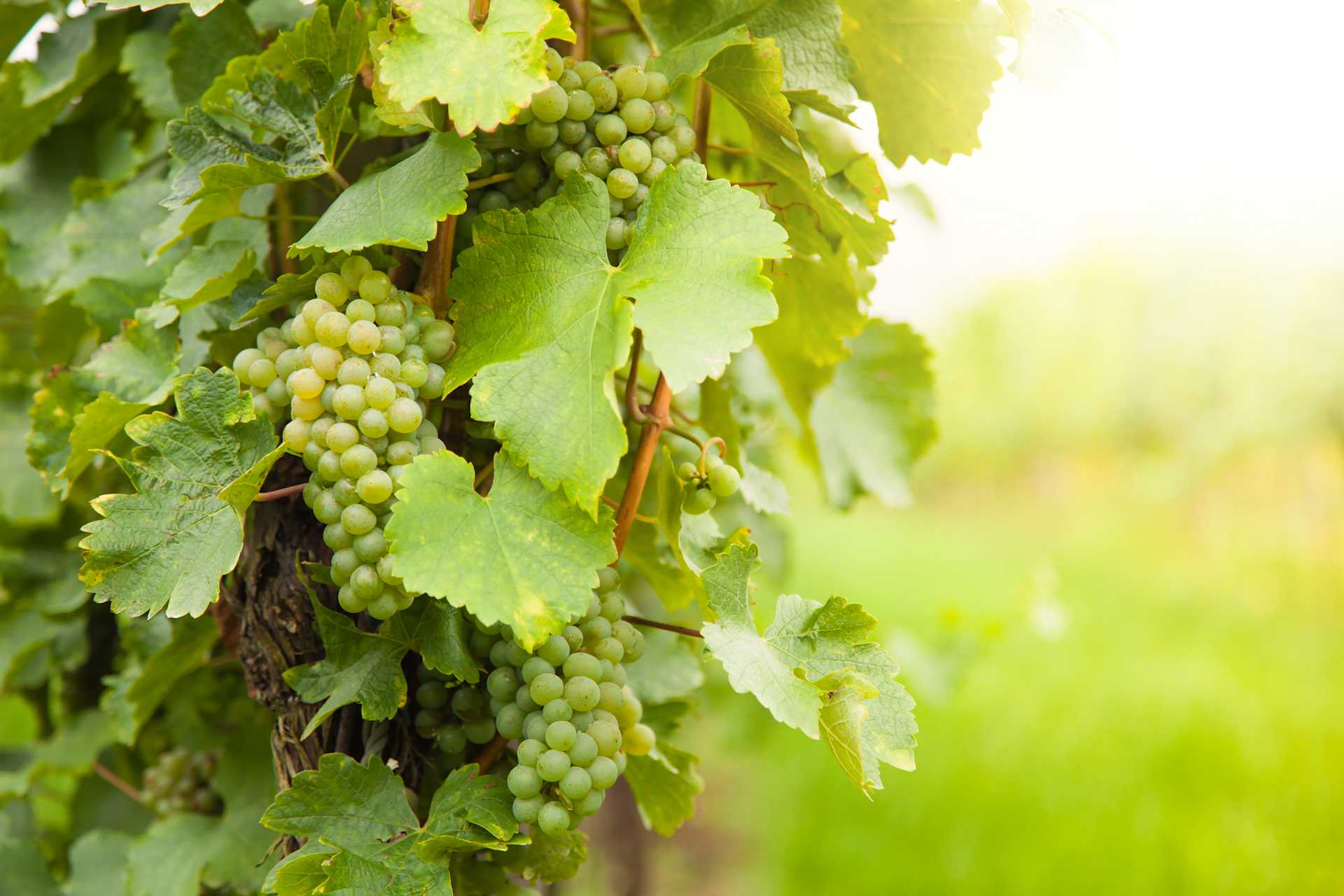
Approachable, aromatic and pleasantly plush on the palate, Pinot Blanc is a white grape variety most associated with the Alsace region of France. Although its heritage is Burgundian, today it is rarely found there and instead thrives throughout central Europe, namely Germany and Austria, where it is known as Weissburgunder and Alto Adige where it is called Pinot Bianco. Interestingly, Pinot Blanc was born out of a mutation of the pink-skinned Pinot Gris. Somm Secret—Chardonnay fans looking to try something new would benefit from giving Pinot Blanc a try.

This sunny and relatively dry region served for many years as a German tourist mecca and was associated with low cost, cheerful wines. But since the 1980s, it has gained a reputation as one of Germany’s more innovative regions, which has led to increased international demand.