


Winemaker Notes
So imagine my surprise, after so many years of touting the virtues of real Rosé, that it has now become an overnight sensation! In the last few years we have actually sold out of it before the first day of summer. I like to think that keeping true to my values and producing an honest wine that I personally enjoy has been the key to the crazy and enduring popularity of our Rosé.
It starts with expensive, high-quality grapes which we source specifically for this wine. This year’s blend is 51% Syrah from Roll Ranch in Ojai, 21% Carignan from Camp 4 in Santa Ynez, 19% Grenache from John Sebastiano in Santa Rita Hills, and 9% Riesling from Kick On Ranch near Los Alamos. Even though it’s a bit more work, I’m a traditionalist and prefer the richness that barrel fermentation and aging confers to wines, so after whole cluster pressing, all our Rosé goes to barrel. After 5 months in neutral French oak the wine was bottled and it’s already drinking well. The aroma is full of pear, freshly baked bread and spicy red berries, and the palate is refreshing and altogether too easy to drink.
Blend: 51% Syrah, 21% Carignan, 19% Grenache, 9% Riesling
Professional Ratings
-
Robert Parker's Wine Advocate
The 2017 Rosé is very pretty, offering up aromas of red apple, peach and apricot, followed by a bright, medium-bodied palate with crisp acids, lovely precision and a light touch of spritz. Enjoy it this year or next.
-
Jeb Dunnuck
Adam has always made a vibrant, slightly lean rose in the past, yet the 2017 Rosé offers more richness and depth, with classic Provençal notes of ripe strawberries, salted orange peel, and spice. This medium-bodied beauty is balanced, refreshing, and high class all the way.

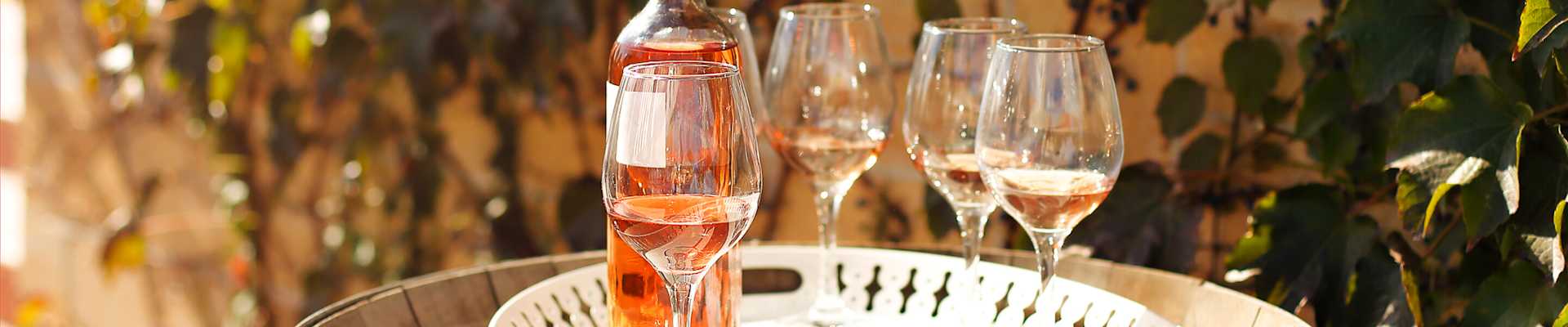
Whether it’s playful and fun or savory and serious, most rosé today is not your grandmother’s White Zinfandel, though that category remains strong. Pink wine has recently become quite trendy, and this time around it’s commonly quite dry. Since the pigment in red wines comes from keeping fermenting juice in contact with the grape skins for an extended period, it follows that a pink wine can be made using just a brief period of skin contact—usually just a couple of days. The resulting color depends on grape variety and winemaking style, ranging from pale salmon to deep magenta.

With a dry and mild climate cooled significantly by moist ocean fog and breezes, Santa Barbara County is a grape-grower’s dream. Part of the larger Central Coast appellation, Santa Barbara is home to Santa Maria Valley and Santa Ynez Valley. The conditions here provide an opportunity for nearly effortless production of high-quality cool-climate Central Coast wines. This is also the site of the 2004 film Sideways, which caused Pinot Noir’s popularity to skyrocket and brought new acclaim to the region.
Chardonnay and Pinot Noir are the stars of Santa Barbara, producing wines marked by racy acidity. Crisp Sauvignon Blanc and savory Syrah are also important. The region is home to many young and enthusiastic winemakers eager to experiment with less common varieties including Chenin Blanc, Grüner Veltliner, Trousseau Gris, Gamay and Cabernet Franc, making it an exciting area to watch.