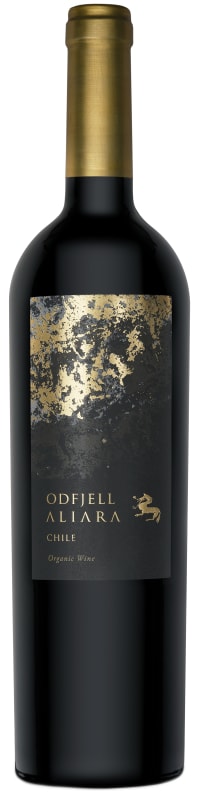


Winemaker Notes
Concentrated deep violet in color. The nose is attractive and intense with a range of aromas from the different varieties in the blend, including nuts such as hazelnuts, dates, and dried figs, as well as floral notes recalling jasmine and roses. The palate is sophisticated, intense, and juicy and complemented by chocolate, coffee, and tobacco leaves. The finish is long with ripe and velvety tannins. An unforgettable experience.
Vegan-Friendly
Professional Ratings
-
James Suckling
A fresh yet complex and intense red full of ripe currants, minty blackberries and blueberries with some quince, orange peels and sweet spices. Plenty of powdery tannins on the fresh, full-bodied palate. Quite a juicy and very long finish. Syrah, carignan, malbec, carmenere, cabernet sauvignon, tempranillo and tannat. From organically grown grapes with Ecocert certification. Vegan. Drink or hold.
-
Vinous
The 2019 Aliara is a blend of 34% Carignan, 20% Syrah, 16% Carménère, 15% Cabernet Sauvignon, 13% Malbec and 2% other field reds from Maipo, Curicó and Maule. It was aged for up to 24 months in 70% new barrels. Dark purple in hue. The candied nose presents currant and prune notes over a bed of balsam and oak. Broad and expansive in the mouth, the slightly grippy tannins and juicy, bold flow lead into a lingering, liqueur-like finish. Young right now, it will improve in the bottle.
-
Wine Enthusiast
A delicious blend of Carignan, Syrah and other red varieties from vineyards in the Maule, Lontué and Maipo Valley. It starts with an earthy and fruity nose that introduces delicious flavors of cherry and strawberry. A hint of cinnamon, licorice and espresso enhances the lively palate. As the wine opens up herbs and a light note of sandalwood completes the character.
-
Robert Parker's Wine Advocate
The 2019 Aliara combines six varieties sourced from across the Central Valley, ranging from Maipo to Maule, each aged separately in 500-liter barrels, 70% new. It represents the most traditional wine in the range, exuding a markedly more impactful oak regimen, immediately evident on the nose through toasty, roasted aromas that float on a bed of ripe red fruits. The palate echoes this with a creamy, rich opulence that carries through the herbal, drying finish. This is a quality wine that will have its fans, but next to the other wines in the Odfjell range, it comes off a bit monotone and muddled.


With hundreds of red grape varieties to choose from, winemakers have the freedom to create a virtually endless assortment of blended red wines. In many European regions, strict laws are in place determining the set of varieties that may be used, but in the New World, experimentation is permitted and encouraged resulting in a wide variety of red wine styles. Blending can be utilized to enhance balance or create complexity, lending different layers of flavors and aromas. For example, a red wine blend variety that creates a fruity and full-bodied wine would do well combined with one that is naturally high in acidity and tannins. Sometimes small amounts of a particular variety are added to boost color or aromatics. Blending can take place before or after fermentation, with the latter, more popular option giving more control to the winemaker over the final qualities of the wine.
How to Serve Red Wine
A common piece of advice is to serve red wine at “room temperature,” but this suggestion is imprecise. After all, room temperature in January is likely to be quite different than in August, even considering the possible effect of central heating and air conditioning systems. The proper temperature to aim for is 55° F to 60° F for lighter-bodied reds and 60° F to 65° F for fuller-bodied wines.
How Long Does Red Wine Last?
Once opened and re-corked, a bottle stored in a cool, dark environment (like your fridge) will stay fresh and nicely drinkable for a day or two. There are products available that can extend that period by a couple of days. As for unopened bottles, optimal storage means keeping them on their sides in a moderately humid environment at about 57° F. Red wines stored in this manner will stay good – and possibly improve – for anywhere from one year to multiple decades. Assessing how long to hold on to a bottle is a complicated science. If you are planning long-term storage of your reds, seek the advice of a wine professional.

Dramatic geographic and climatic changes from west to east make Chile an exciting frontier for wines of all styles. Chile’s entire western border is Pacific coastline, its center is composed of warm valleys and on its eastern border, are the soaring Andes Mountains.
Chile’s central valleys, sheltered by the costal ranges, and in some parts climbing the eastern slopes of the Andes, remain relatively warm and dry. The conditions are ideal for producing concentrated, full-bodied, aromatic reds rich in black and red fruits. The eponymous Aconcagua Valley—hot and dry—is home to intense red wines made from Cabernet Sauvignon, Syrah and Merlot.
The Maipo, Rapel, Curicó and Maule Valleys specialize in Cabernet and Bordeaux Blends as well as Carmenère, Chile’s unofficial signature grape.
Chilly breezes from the Antarctic Humboldt Current allow the coastal regions of Casablanca Valley and San Antonio Valley to focus on the cool climate loving varieties, Pinot Noir, Chardonnay and Sauvignon Blanc.
Chile’s Coquimbo region in the far north, containing the Elqui and Limari Valleys, historically focused solely on Pisco production. But here the minimal rainfall, intense sunlight and chilly ocean breezes allow success with Chardonnay and Pinot Noir. The up-and-coming southern regions of Bio Bio and Itata in the south make excellent Riesling, Chardonnay and Pinot Noir.
Spanish settlers, Juan Jufre and Diego Garcia de Cáceres, most likely brought Vitis vinifera (Europe’s wine producing vine species) to the Central Valley of Chile sometime in the 1550s. One fun fact about Chile is that its natural geographical borders have allowed it to avoid phylloxera and as a result, vines are often planted on their own rootstock rather than grafted.