


Winemaker Notes
This chimeric Pinot Noir mutation exudes pink spring florals. Cherry cake, fennel, almond meal, and rhubarb on the nose, and tons of crunchy energy on the palate. Succulent.
Vegan-Friendly
Professional Ratings
-
James Suckling
This is so delicious, with bright red-fruited aromas of cherries, wild strawberries, minerals and an earthy, savory undertone. The palate is mid-weighted, bright and crunchy, with plenty of depth yet great clarity. A fine wine with loads of early-drinking appeal.


Almost exclusively used in the production of Champagne, Pinot Meunier is a late budding and early ripening red variety that was once planted extensively throughout northern France. When blended into Champagne’s eponymous sparkling wine, Pinot Meunier adds lively fruit. Chardonnay adds brightness and Pinot Noir is appreciated for structure and weight. Pinot Meunier has acidity levels higher than in Pinot Noir, making it a prized choice for Champagne growers. It thrives in cool north-facing vineyards and is able to withstand damp or frost-prone valleys. Somm Secret—Not surprisingly, it does well in Germany where it goes by Müllerrebe or confusingly, Schwarzriesling.
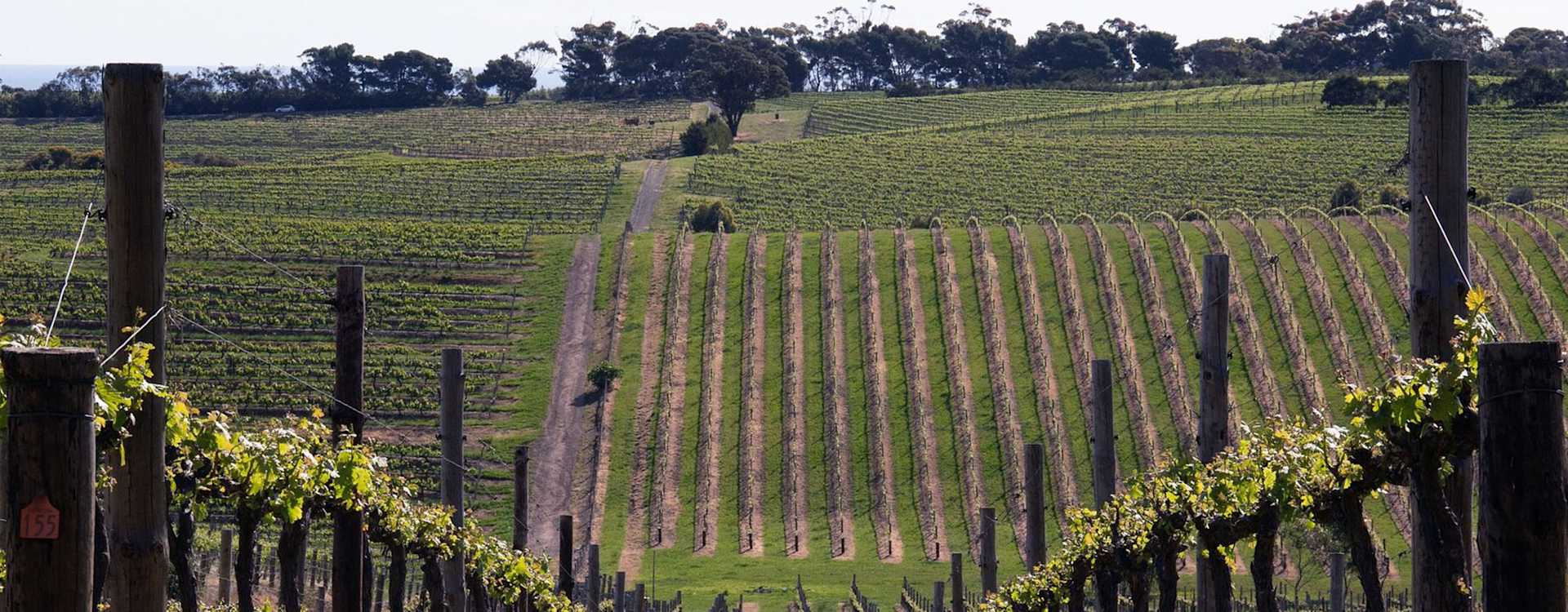
A narrow band of hills and valleys east of the city of Adelaide, the Adelaide Hills region is a diverse landscape featuring a variety of microclimates. In general it is moderate with high-altitude areas cooler and wetter compared to its warmer, lower areas.
Piccadilly Valley, the part of Adelaide Hills closest to the city, was first staked out by a grower named Brian Croser, in the 1970s for a cool spot to grow Chardonnay, then uncommon in Australia. Today a good amount of the Chardonnay goes to winemakers outside of the region.
Producers here experiment with other cool-climate loving aromatic varieties like Pinot Gris, Viognier and Riesling. Charming sparkling wine is also possible. On its north side, lower, west-facing slopes make full-bodied Shiraz.