


Winemaker Notes
Vegan-Friendly
Professional Ratings
-
James Suckling
A vibrant, fresh and savory pinot that is light in color, giving aromas of dark cherries, potpourri, crushed strawberries and cassia bark. The palate is medium-bodied with crunchy tannins and a creamy texture, showing notes of cranberries, orange peel and forest floor. Very well constructed with a high drinkability factor. Drink or hold.


Thin-skinned, finicky and temperamental, Pinot Noir is also one of the most rewarding grapes to grow and remains a labor of love for some of the greatest vignerons in Burgundy. Fairly adaptable but highly reflective of the environment in which it is grown, Pinot Noir prefers a cool climate and requires low yields to achieve high quality. Outside of France, outstanding examples come from in Oregon, California and throughout specific locations in wine-producing world. Somm Secret—André Tchelistcheff, California’s most influential post-Prohibition winemaker decidedly stayed away from the grape, claiming “God made Cabernet. The Devil made Pinot Noir.”
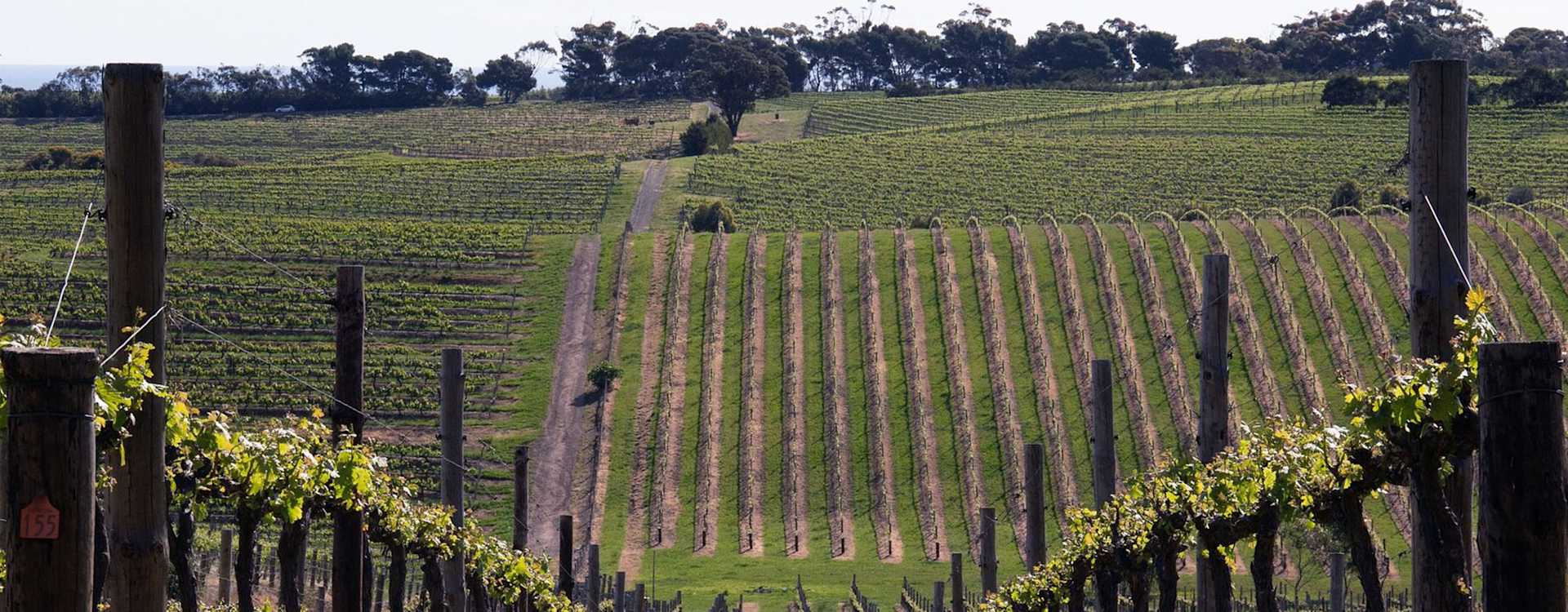
A narrow band of hills and valleys east of the city of Adelaide, the Adelaide Hills region is a diverse landscape featuring a variety of microclimates. In general it is moderate with high-altitude areas cooler and wetter compared to its warmer, lower areas.
Piccadilly Valley, the part of Adelaide Hills closest to the city, was first staked out by a grower named Brian Croser, in the 1970s for a cool spot to grow Chardonnay, then uncommon in Australia. Today a good amount of the Chardonnay goes to winemakers outside of the region.
Producers here experiment with other cool-climate loving aromatic varieties like Pinot Gris, Viognier and Riesling. Charming sparkling wine is also possible. On its north side, lower, west-facing slopes make full-bodied Shiraz.