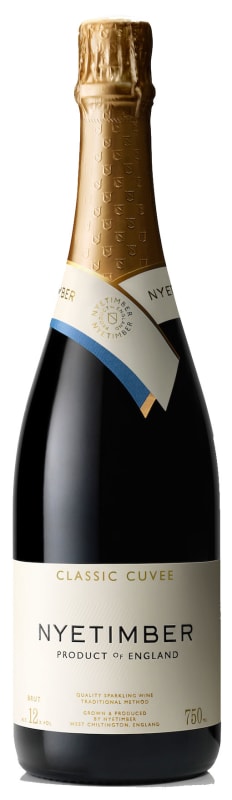


Winemaker Notes
Professional Ratings
-
Wine Enthusiast
This is a class act. Fresh white breadcrumb and crisp, ripe red apple combine to create an appetizing nose. The lively fizz on the palate makes the tart but ripe red-apple notions stand out, painted against a mellow, yeasty backdrop and resonant, bready depth. This wine is crisp and rich in equal measure, bold and full flavored, yet elegant and smooth. Outstanding freshness, brightness and purity become apparent on the long finish.
-
Decanter
Doughy yeasty nose with a hint of salinity. The palate is soft and fruit-forward with some spice and biscuit notes. Great balance and finish. Drinking Window 2020 - 2024
-
James Suckling
This fresh, lively sparkling wine has aromas of sliced apples, lemons and shortbread. It’s light- to medium-bodied with fine bubbles and crisp green-apple energy. Chardonnay, pinot noir and pinot meunier.
-
Robert Parker's Wine Advocate
As ever, the success of Nyetimber's NV Brut Classic Cuvée (2019 base) is built on ease, grace and delicacy—it's not England's showiest wine, but thanks to the estate's growing library of reserve wines and impressive quality control, it manages a fine level of approachable consistency versus many others in its class. With flavors of fresh pear, lemon macaron and green apple, this shows a finely integrated pale pastry lees-aging richness, bright but integrated acidity and a lick of sweet creaminess, delivered on a smooth, cushioned mousse.


A term typically reserved for Champagne and Sparkling Wines, non-vintage or simply “NV” on a label indicates a blend of finished wines from different vintages (years of harvest). To make non-vintage Champagne, typically the current year’s harvest (in other words, the current vintage) forms the base of the blend. Finished wines from previous years, called “vins de reserve” are blended in at approximately 10-50% of the total volume in order to achieve the flavor, complexity, body and acidity for the desired house style. A tiny proportion of Champagnes are made from a single vintage.
There are also some very large production still wines that may not claim one particular vintage. This would be at the discretion of the winemaker’s goals for character of the final wine.

The limestone soils of England’s southern end have proven ideal for the production of British sparkling wine. While it might seem too damp and cold for grape growing in England, recent warm summers and the onset of global warming signify great future growth for the British wine industry.