


Winemaker Notes
To make this Rosé, the winery leaves crushed grapes in contact with their skins forone to two hours before each pressing. This skin contact gives the wine its salmon and onion-skin coloration. The wine is fermented naturally in stainless steel tanks and bottled with minimal intervention.
This is a perfect wine alongside the braai. Serve chilled.

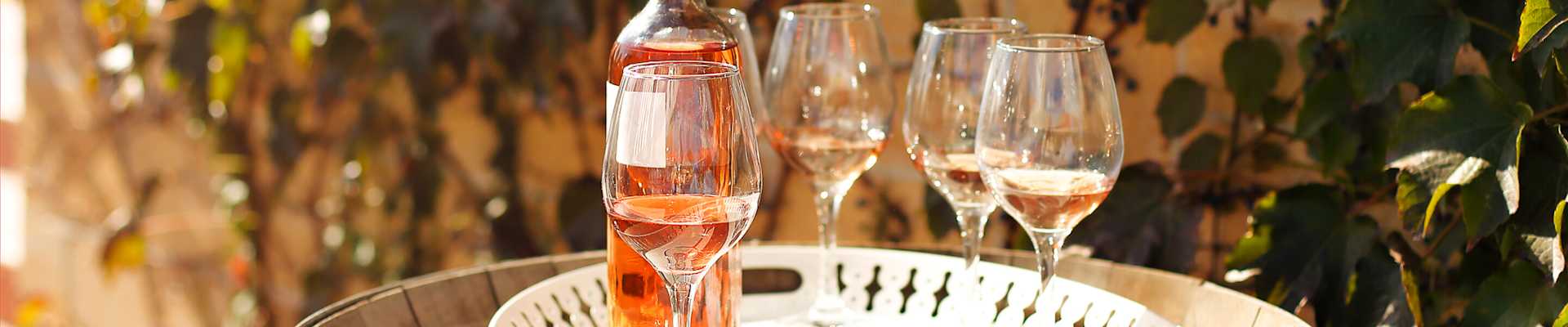
Whether it’s playful and fun or savory and serious, most rosé today is not your grandmother’s White Zinfandel, though that category remains strong. Pink wine has recently become quite trendy, and this time around it’s commonly quite dry. Since the pigment in red wines comes from keeping fermenting juice in contact with the grape skins for an extended period, it follows that a pink wine can be made using just a brief period of skin contact—usually just a couple of days. The resulting color depends on grape variety and winemaking style, ranging from pale salmon to deep magenta.

Flanked by majestic mountains on either side, the Paarl district is a valley whose most valuable water source is the Berg River. While sometimes during dry and hot summers, the vineyards in the valley need supplemental irrigation, those vineyards on the eastern slopes where water retention is better, aren't irrigated.
Cabernet Sauvignon, Pinotage, Shiraz, Chardonnay and Chenin Blanc enjoy great success in Paarl.