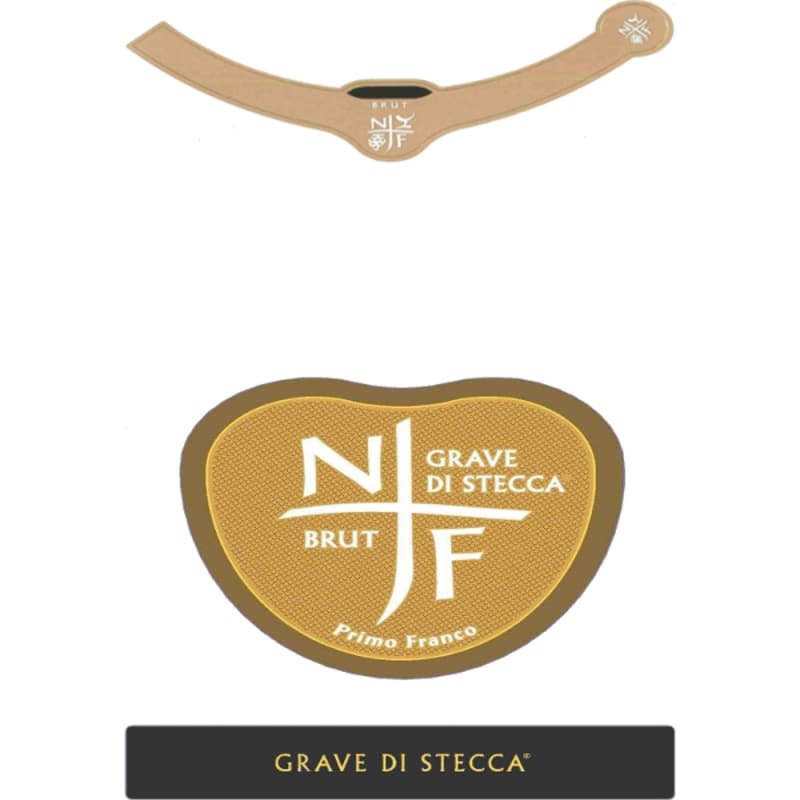

Winemaker Notes
Professional Ratings
-
Wine Enthusiast
Made with 100% Glera grown inside a walled vineyard, this stunning wine boasts unusual depth and structure. It delivers aromas and flavors of ripe yellow apple, pear, lemon drop, chopped sage and a ginger note while the foaming, silky mousse lends it a creamy, elegant texture. A recent vertical tasting back to 2007 proves this wine can develop more complexity after several years in the cellar.
-
Wine Spectator
An aromatic sparkler, with rich minerality and hints of spice and tea rose to the green melon and lemon curd flavors. Finely knit and elegant overall, with a lasting finish accented by mineral and spice. Drink now through 2021. 917 cases made.


Representing the topmost expression of a Champagne house, a vintage Champagne is one made from the produce of a single, superior harvest year. Vintage Champagnes account for a mere 5% of total Champagne production and are produced about three times in a decade. Champagne is typically made as a blend of multiple years in order to preserve the house style; these will have non-vintage, or simply, NV on the label. The term, "vintage," as it applies to all wine, simply means a single harvest year.

One of the world’s most popular and playful sparkling wines, Prosecco is a specialty of northeastern Italy, spanning nine provinces of the Veneto and Fruili-Venezia Giulia regions. A higher-quality version of Prosecco wine that must meet more stringent production requirements is known as Prosecco Superiore and must come from the more rugged terrain between the towns of Valdobiaddene and Conegliano. Prosecco can be produced as a still wine, a semi-sparkling wine (“frizzante”), or a fully sparkling wine (“spumante”)—the latter being the most common. While Prosecco wine is typically produced in a “brut” (dry) style, its fresh and fruity character makes it seem a bit sweeter than it actually is. “Extra dry” styles, incorporating higher levels of residual sugar, are quite popular, however.
Prosecco wine is made from the Glera grape, which was formerly and confusingly called Prosecco, these wines are notable for pleasant flavors of peach, pear, melon, green apple, and honeysuckle. Lower pressure during the carbonation process (also called the tank method) means that the bubbles are lighter and frothier than in Champagne or other traditional method sparkling wine, and less persistent. Prosecco is also a great choice to blend with orange juice for mimosas for a classic brunch beverage.