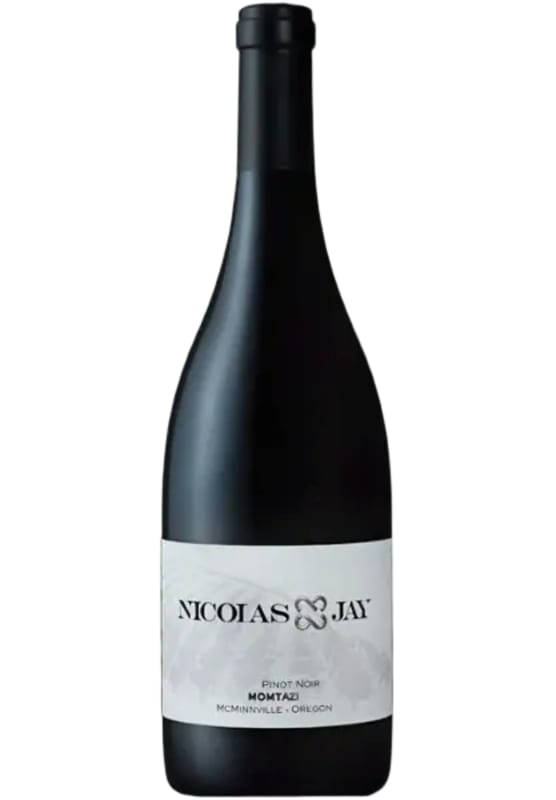


Winemaker Notes
Professional Ratings
-
James Suckling
A firm and powerful style with dark berry, chili pepper, slate and violet character. Full body, layered and powerful. Needs three to four years of bottle age still but on it.
-
Decanter
Wild, briary fruit tones mingle with notes of dried flowers and sous bois, introducing a fine-grained, more austere wine with a tensile marriage of acidity and tannin - to make a Burgundian analogy, it is more Nuits than Vosne. Drinking Window 2017 - 2027


Thin-skinned, finicky and temperamental, Pinot Noir is also one of the most rewarding grapes to grow and remains a labor of love for some of the greatest vignerons in Burgundy. Fairly adaptable but highly reflective of the environment in which it is grown, Pinot Noir prefers a cool climate and requires low yields to achieve high quality. Outside of France, outstanding examples come from in Oregon, California and throughout specific locations in wine-producing world. Somm Secret—André Tchelistcheff, California’s most influential post-Prohibition winemaker decidedly stayed away from the grape, claiming “God made Cabernet. The Devil made Pinot Noir.”

Stretching southwest from the city of McMinnville, the AVA with the same name covers about 40,000 acres across 20 miles until it meets the Van Duzer Corridor. This corridor is the only break in the Coast Range whose gap allows the cool Pacific Ocean air to flow eastward into the Willamette Valley.
The Pacific's moderating winds hit McMinnville’s south and southeast facing slopes where cool-climate varieties—namely Pinot noir and Pinot blanc thrive on ridges at between 200 to 1,000 feet in elevation.
Soils here are primarily uplifted marine sedimentary loam and silt, with alluvial formations; McMinnville receives less rainfall than its neighbors to the east because it is situated in the rain shadow of the Coast Range.