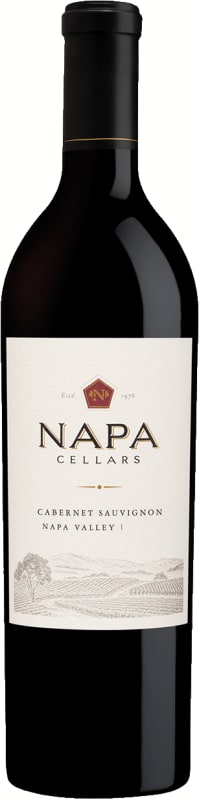


Winemaker Notes
The 2016 Napa Valley Cabernet Sauvignon brims with ripe, concentrated aromas of black currant and blackberry with a roasted coffee and mocha background, underscored by threads of faint floral notes. This wine’s lush core of bright blackberry, cherry, and red currant are complemented by expressive toasted notes on the mid-palate. The finish is full of lingering flavors of vanilla, caramel, toffee, tobacco, and spice.
Blend: 85% Cabernet Sauvignon, 10% Merlot, 2% Malbec, 2% Syrah, and 1% Petit Verdot.
Firmly textured tannins with fresh, balanced acidity make this Cabernet the perfect pairing for port braised beef short ribs topped with mint leaves.
Professional Ratings
-
James Suckling
Cool and rather shy with minty freshness, this is an unusual Napa cabernet and the interplay of sour cherries and moderately crisp tannins on the palate makes it a rare, food-friendly wine for this category.
-
Wine Enthusiast
Herbs and spices meld with a concentrated core of blackberry, black cherry and toasted oak in this Cabernet that’s blended with 10% Merlot and smaller amounts of Malbec, Syrah and Petit Verdot. Accents of clove, tobacco and dark chocolate round out the plush, creamy finish.


Napa Cellars has been making wine for more than 40 years in the Napa Valley, on its original property of 5 acres along Highway 29 in Oakville. Thankful to have been graced by prominent Napa families in its early days, such as the Franks and the Rombauers, Napa Cellars now paves its own path, building on the rich heritage to craft wines that are a classic, unmistakable interpretation of the Napa Valley. Napa Cellars now owns three vineyards: Vista Montone Vineyard is located in South Napa Valley, and provides the fruit for Napa Cellars Chardonnay and Pinot Noir. Main Street Vineyard is located in St. Helena, Napa Valley, and provides the fruit for Napa Cellars Cabernet Sauvignon. Salvador Vineyard is located in Oak Knoll AVA, north of Downtown Napa, and provides fruit for the Cabernet Sauvignon.
The founder of Napa Cellars, Charlie Woods, started a tasting room in a geodesic dome that still welcomes guests today. This warm and casual tasting room is the perfect first or last stop for any visitor to Napa. Conveniently located on Highway 29, the friendly tasting staff encourages wine novices and connoisseurs alike to try their well-worth-the price Napa Valley wines. The winemaker for Napa Cellars, Joe Shirley, grew up in Napa Valley but never became interested in wine until he crossed paths with an influential wine buyer in England. Upon returning home, Joe dove into the wine industry head first. Joe realized he was meant to live a life at the intersection of scientific precision and passionate artistry. This life exists now in the vineyard, in the cellar, and ultimately in the glass, where a sense of place-and his expression of that place, comes to life. “I don’t try to put a big winemaker signature on my wines,” Joe says. “The terroir of the vineyards here is so distinct, so extraordinary; I simply guide the wine toward the purest interpretation of the land.”

One of the most prestigious wines of the world capable of great power and grace, Napa Valley Cabernet is a leading force in the world of fine, famous, collectible red wine. Today the Napa Valley and Cabernet Sauvignon are so intrinsically linked that it is difficult to discuss one without the other. But it wasn’t until the 1970s that this marriage came to light; sudden international recognition rained upon Napa with the victory of the Stag’s Leap Wine Cellars 1973 Cabernet Sauvignon in the 1976 Judgement of Paris.
Cabernet Sauvignon undoubtedly dominates Napa Valley today, covering half of the land under vine, commanding the highest prices per ton and earning the most critical acclaim. Cabernet Sauvignon’s structure, acidity, capacity to thrive in multiple environs and ability to express nuances of vintage make it perfect for Napa Valley where incredible soil and geographical diversity are found and the climate is perfect for grape growing. Within the Napa Valley lie many smaller sub-AVAs that express specific characteristics based on situation, slope and soil—as a perfect example, Rutherford’s famous dust or Stags Leap District's tart cherry flavors.