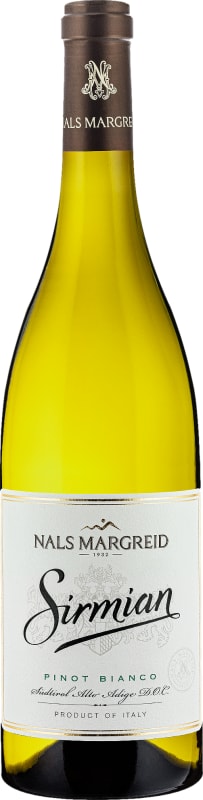


Winemaker Notes
Professional Ratings
-
James Suckling
The nose of this remarkable dry pinot blanc is a deep well of citrus, pear and stone-fruit aromas. But, despite the impressive ripeness, there’s no hint of the exotic-fruit character that overripeness brings. So concentrated and precisely delineated, the finish very bright and energy-laden. Many years ahead of it! Drink or hold.
-
Decanter
A standout single-vineyard wine and the cooperative’s flagship white. Bright, stony and impeccably balanced, it charms with scents of melon, white flowers and peach flecks. Ripe, juicy pear and melon contrast with spice and minerals, finishing with succulent peach and freshness.
-
Robert Parker's Wine Advocate
I tasted this wine twice, once in my office and once at the winery with slightly different results. When tasted in my office, the Nals Margreid 2020 Alto Adige Pinot Bianco Sirmian was a more neutral and closed. At the winery, it was singing loud and clear. I've gone with an average of both scores here. With 40,000 bottles released, Sirmian delivers great textural richness achieved with eight months of barrel age. Fruit comes from a cool growing site ranging from 500 to a much cooler 700 meters in elevation, and the harvest lasts three or four weeks due to how slow the berries ripen. Some 6,000 bottles were put aside to create a late-release wine that will hit the market six years from now. Best after 2022.
-
Wine & Spirits
This wine balances tart citrus flavors with rich baked apple and warm spice notes. A cool mineral edge underlines the flavors, and the wine finishes with bright salinity.
-
Wine Enthusiast
Delicately scented, this has light aromas recalling stone fruit and Alpine hay. On the palate, oak-driven spice accentuates ripe apple, pear and cedar before closing on a hint of hazelnut.
-
Wine Spectator
An elegant white, creamy and framed by orange peel acidity, this integrates a minerally layer of smoke and stone with a subtle, finely meshed range of ripe pear, chopped almond and star fruit flavors. Drink now through 2027.

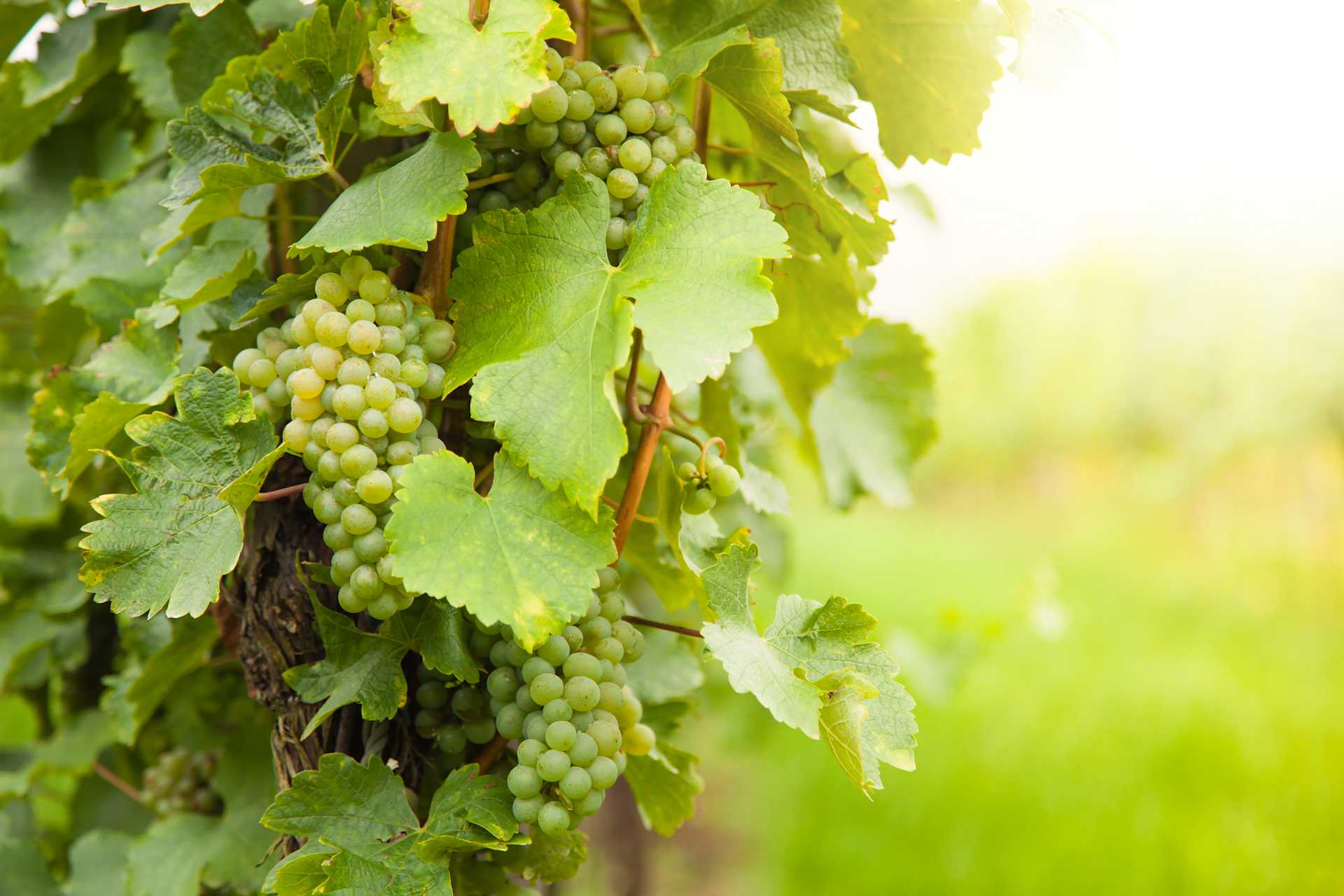
Approachable, aromatic and pleasantly plush on the palate, Pinot Blanc is a white grape variety most associated with the Alsace region of France. Although its heritage is Burgundian, today it is rarely found there and instead thrives throughout central Europe, namely Germany and Austria, where it is known as Weissburgunder and Alto Adige where it is called Pinot Bianco. Interestingly, Pinot Blanc was born out of a mutation of the pink-skinned Pinot Gris. Somm Secret—Chardonnay fans looking to try something new would benefit from giving Pinot Blanc a try.
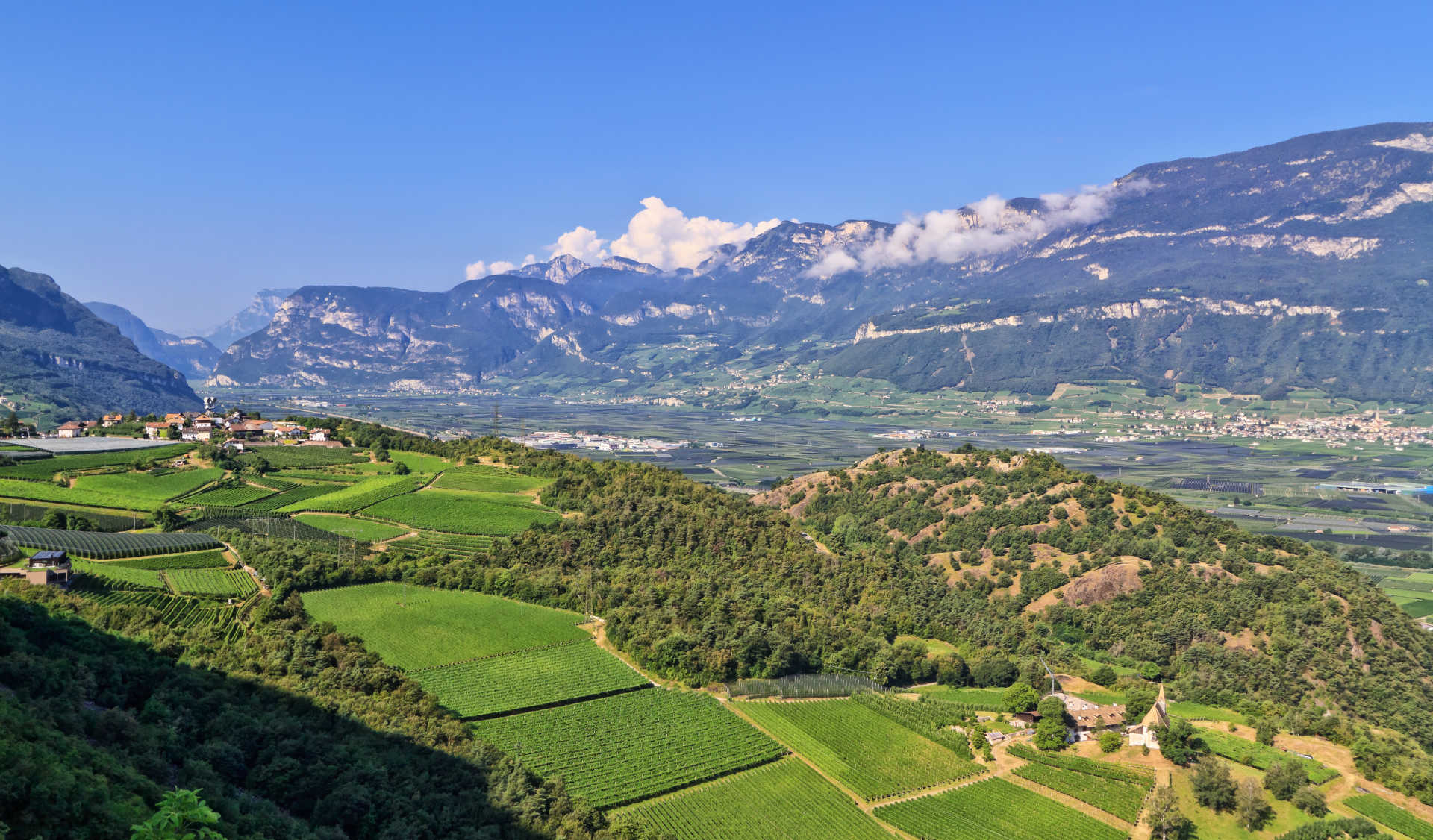
A mountainous northern Italian region heavily influenced by German culture, Trentino-Alto Adige is actually made up of two separate but similar regions: Alto Adige and Trentino.
Trentino, the southern half, is primarily Italian-speaking and largely responsible for the production of non-native, international grapes. There is a significant quantity of Chardonnay, Pinot Grigio and Merlot produced. But Trentino's native and most unique red variety, Teroldego, while still rare, is gaining popularity. It produces a deeply colored red wine rich in wild blackberry, herb, coffee and cocoa.
The rugged terrain of German-speaking Alto Adige (also referred to as Südtirol) focuses on small-scale viticulture, with great value placed on local varieties—though international varieties have been widely planted since the 1800s. Sheltered by the Alps from harsh northerly winds, many of the best vineyards are at extreme altitude but on steep slopes to increase sunlight exposure.
Dominant red varieties include the bold, herbaceous Lagrein and delicate, strawberry-kissed, Schiava, in addition to some Pinot Nero.
The primary white grapes are Pinot grigio, Gewürztraminer, Chardonnay and Pinot blanc, as well as smaller plantings of Sauvignon blanc, Müller Thurgau. These tend to be bright and refreshing with crisp acidity and just the right amount of texture. Some of the highest quality Pinot grigio in Italy is made here.