

Winemaker Notes
Professional Ratings
-
Robert Parker's Wine Advocate
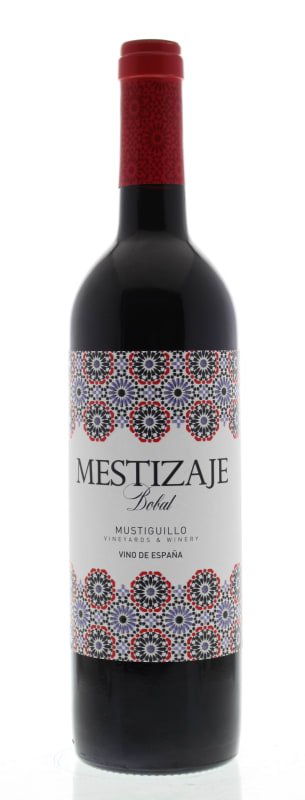
The red 2014 Mestizaje is the entry-level blend of Bobal with some 10% Syrah, 6% Garnacha, 5% Merlot and a 2% pinch of Cabernet Sauvignon and Tempranillo; the grapes comes from head-pruned, dry-farmed vines planted mostly in the early 1990s. Each variety is fermented separately and then aged for one year in oak vats and barrels. The wine has seen a change since 2012... In 2013 it's 100% grapes from the Terrerazo estate—and therefore a Vino de Pago—but more important, the percentage of Bobal has increased and they look for a fresher profile, which means the wine has gained in drinkability. There are no more notes of chocolate that were very prominent in 2006, 2007 or 2009; they have taken the Tempranillo out of the blend, a grape that has a tendency to get very ripe in the zone; and the wine is better balanced and focused. The palate shows also some chalkiness (all the grapes now come from vineyards in Finca Terrerazo, where there is a high content in limestone), and a Mediterranean character, but without heat. A very tasty and drinkable Mediterranean red.


Spanish red wine is known for being bold, heady, rustic and age-worthy, Spain is truly a one-of-a-kind wine-producing nation. A great majority of the country is hot, arid and drought-ridden, and since irrigation has only been recently introduced and (controversially) accepted, viticulture has sustained—and flourished—only through a great understanding of Spain’s particular conditions. Large spacing between vines allows each enough resources to survive and as a result, the country has the most acreage under vine compared to any other country, but is usually third in production.
Of the Spanish red wines, the most planted and respected grape variety is Tempranillo, the star of Spain’s Rioja and Ribera del Duero regions. Priorat specializes in bold red blends, Jumilla has gained global recognition for its single varietal Monastrell and Utiel-Requena has garnered recent attention for its reds made of Bobal.