


Winemaker Notes
Its aromatic personality is characterized by notes of candied lemon, honey and a touch of vanilla. The palate is concentrated and full-bodied, yet fresh. Its aftertaste is long and persistent.
Blend: 100% Timorasso
Professional Ratings
-
James Suckling
Very tight and lemony with a chalky minerality on the nose, almost varnish. Tight palate as well, with zesty acidity and a light body. Vibrant and balanced with a silky texture.
-
Wilfred Wong of Wine.com
The 2023 Mura Mura Timorasso is deep yellow and opens with evocative aromas of candied apples and sun-ripened stone fruits. Rich and textured on the palate, the wine flows with layers of ripe orchard fruit and a lingering, fruit-driven finish. Its generous profile and balanced acidity make it an inspired match for a creamy butternut squash risotto topped with crispy sage. This elegant, autumnal pairing echoes the wine’s warmth and richness. (Tasted: July 31, 2025, San Francisco, CA)


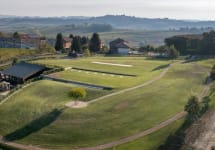
Welcome to Mura Mura, where the beauty and tradition of Piedmont yield wines of exceptional elegance and harmony. Guido Martinetti and Federico Grom, childhood friends and founders of Gelaterie GROM, bought the land in Costigliole d’Asti in 2008, giving life to Mura Mura farm. Initially the 8-hectare property was almost entirely dedicated to the production of fruit.
In 2011, 2015 and 2018, Martinetti and Grom expanded the estates boundaries. They purchased additional hectares of land, which today includes 30 hectares in Costigliole, of which 10 are mainly planted to Barbera and Grignolino vines. They have also established 4 hectares in the Barbaresco DOCG and a 1 hectare in Serralunga d'Alba, in the Barolo DOCG. Mura Mura is a SQNPI Sustainably certified company, respecting the climatic environmental and cultural character that distinguish the different agricultural areas of the Italian territory.

There are hundreds of white grape varieties grown throughout the world. Some are indigenous specialties capable of producing excellent single varietal wines. Each has its own distinct viticultural characteristics, as well as aroma and flavor profiles.

Set upon a backdrop of the visually stunning Alps, the enchanting and rolling hills of Piedmont are the source of some of the country’s longest-lived and most sought-after red wines. Vineyards cover a great majority of the land area—especially in Barolo—with the most prized sites at the top hilltops or on south-facing slopes where sunlight exposure is maximized. Piedmont has a continental climate with hot, humid summers leading to cold winters and precipitation year-round. The reliable autumnal fog provides a cooling effect, especially beneficial for Nebbiolo, Piedmont’s most prestigious variety.
In fact, Nebbiolo is named exactly for the arrival of this pre-harvest fog (called “nebbia” in Italian), which prolongs cluster hang time and allows full phenolic balance and ripeness. Harvest of Nebbiolo is last among Piedmont's wine varieties, occurring sometime in October. This grape is responsible for the exalted Piedmont wines of Barbaresco and Barolo, known for their ageability, firm tannins and hallmark aromas of tar and roses. Nebbiolo wines, despite their pale hue, pack a pleasing punch of flavor and structure; the best examples can require about a decade’s wait before they become approachable. Barbaresco tends to be more elegant in style while Barolo is more powerful. Across the Tanaro River, the Roero region, and farther north, the regions of Gattinara and Ghemme, also produce excellent quality Nebbiolo.
Easy-going Barbera is the most planted grape in Piedmont, beloved for its trademark high acidity, low tannin and juicy red fruit. Dolcetto, Piedmont’s other important red grape, is usually ready within a couple of years of release.
White wines, while less ubiquitous here, should not be missed. Key Piedmont wine varieties include Arneis, Cortese, Timorasso, Erbaluce and the sweet, charming Muscat, responsible for the brilliantly recognizable, Moscato d'Asti.