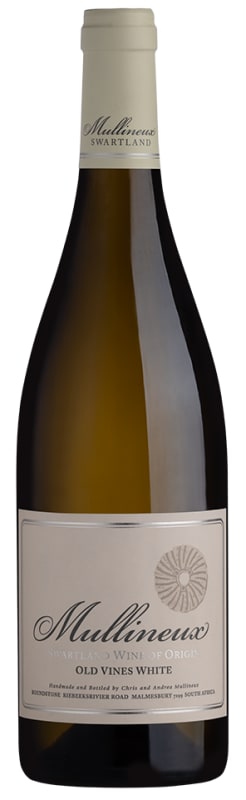


Winemaker Notes
The incredible texture and backbone of this Swartland wine is brought by the low yielding, deeply rooted old-vine Chenin Blanc. The Clairette Blanche and Grenache Blanc add layers of salinity and freshness, while the Viognier and Sémillon Gris add to its inviting aromatics. Upfront aromas of fresh grapefruit zest and powdered ginger follow through to a complex palate with layers of white pear and nectarine, finishing with a long lingering, vibrant acidity.
Blend: 68% Chenin Blanc, 14% Clairette Blanche, 6% Sémillon Gris, 6% Grenache Blanc, 6% Viognier
Vegan-friendly
Professional Ratings
-
Robert Parker's Wine Advocate
The Mullineux 2024 Swartland Old Vines White is reductively fresh yet texturally layered, showing citrus oil, stone fruit and saline minerality across a tense mid-palate. Chenin Blanc leads the blend, supported by Clairette Blanche, Grenache Blanc, Viognier and Semillon Gris. Drawn from 72-year-old Swartland vineyards on granite soils, the wine is aged on the lees in large-format foudres without bâtonnage to preserve its natural texture.
-
Vinous
The 2024 Old Vines White comes from vines up to 70 years old on granite soils in the Paardeberg. This blend is predominantly Chenin Blanc (68%) and is aged in 500-litre used barrels and 2,000-litre foudre . It has a pretty, quite waxy, honeysuckle-tinged bouquet with a hint of wet wool. Fine delineation. The palate is very well balanced with a keen line of acidity. Taut and fresh, there is a little more pepperiness on the finish compared to previous vintages. Excellent.
-
Wine Spectator
Crushed apple and apricot flavors min- gle with clove-studded orange peel, chrysanthemum and vanilla in this elegantly rounded Chenin. Shows pleasing richness, yet well-balanced acidity and a gen- tle tug of fruit-skin bitterness keep this focused and structured through the finish. Chenin Blanc, Clairette Blanche, Viognier, Grenache Blanc, Sémillon and Verdelho.

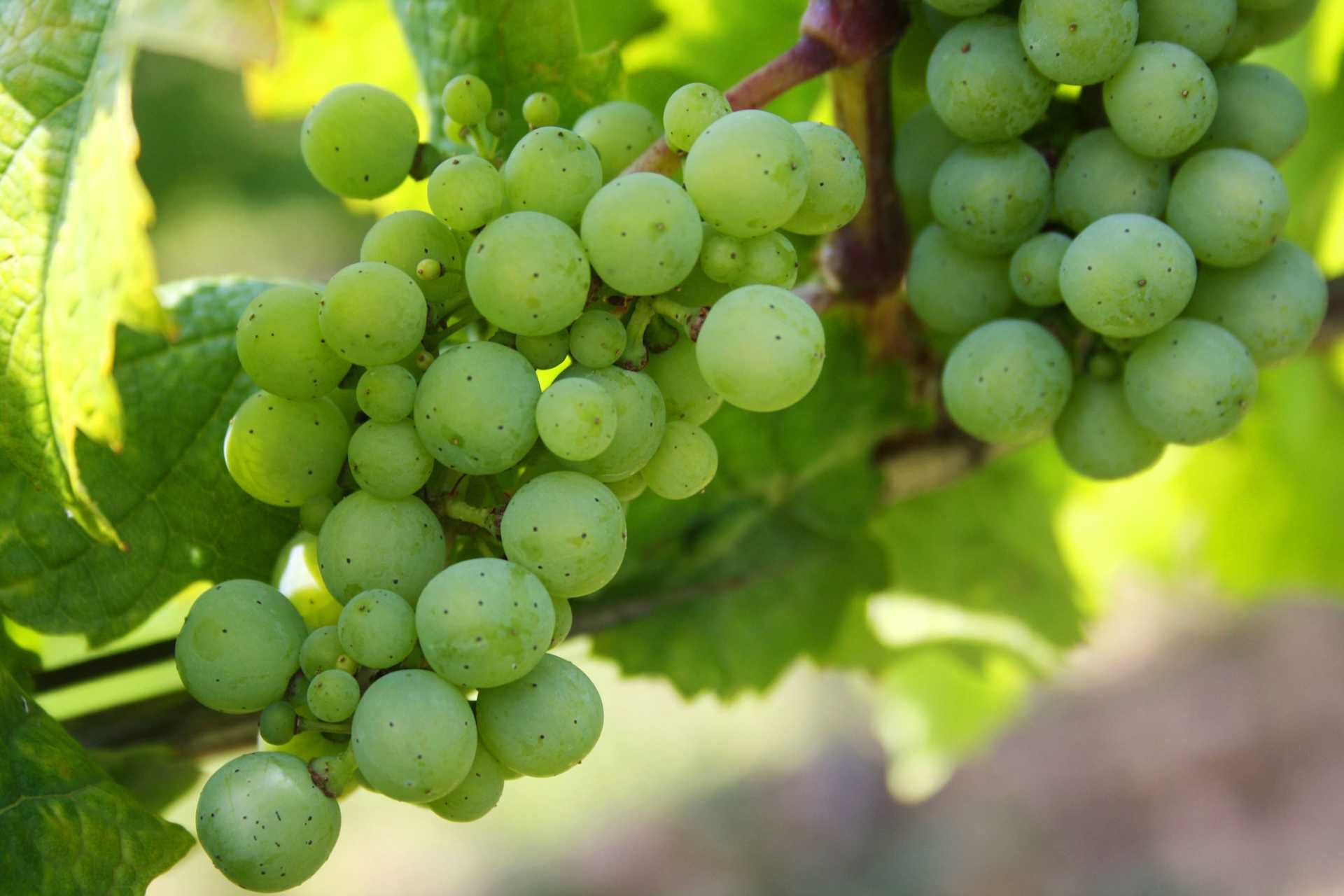
With hundreds of white grape varieties to choose from, winemakers have the freedom to create a virtually endless assortment of blended white wines. In many European regions, strict laws are in place determining the set of varieties that may be used in white wine blends, but in the New World, experimentation is permitted and encouraged. Blending can be utilized to enhance balance or create complexity, lending different layers of flavors and aromas. For example, a variety that creates a soft and full-bodied white wine blend, like Chardonnay, would do well combined with one that is more fragrant and naturally high in acidity. Sometimes small amounts of a particular variety are added to boost color or aromatics. Blending can take place before or after fermentation, with the latter, more popular option giving more control to the winemaker over the final qualities of the wine.

Literally meaning "the black land," Swartland takes its name from the endangered, indigenous "renosterbos" (translating to rhino bush), which used to be plentiful enough to turn the entire landscape a dark color certain during times of year. The district, attracting some of the most adventurous and least interventionist winemakers, excels in robust and full-bodied reds as well as quality fortified wines.