


Winemaker Notes
Upfront aromas of fresh stone fruit and lightly poached pear follow through to a complex palate with layers of yellow grapefruit and nectarines, a vibrant acidity and hints of ginger and citrus-like galangal on the finish.
Blend: 75% Chenin Blanc, 25% Viognier, Clairette Blanche, Semillon Gris, Grenache Blanc & Verdelho
Professional Ratings
-
James Suckling
An aromatic, full-bodied white with aromas of mangoes, papayas, honeysuckle, grilled herbs and beeswax. Textural and lightly oily, with a fresh minerality on the finish. From vines up to 70-years-old, predominantly chenin blanc (around 75%), with viognier, clairette blanche, semillon gris, grenache blanc and verdelho.
-
Robert Parker's Wine Advocate
Opening to a slightly reductive nose, the 2022 Old Vine White offers aromas of citrus blossoms, turned earth and wax melon with yellow apples and Meyer lemon. Medium-bodied, the palate is fresh, bright and succulent, with a kiss of phenolic bitterness before finishing with a long, spicy finish. It's incredibly food friendly and will continue to deliver pleasure for years. Nicely done!

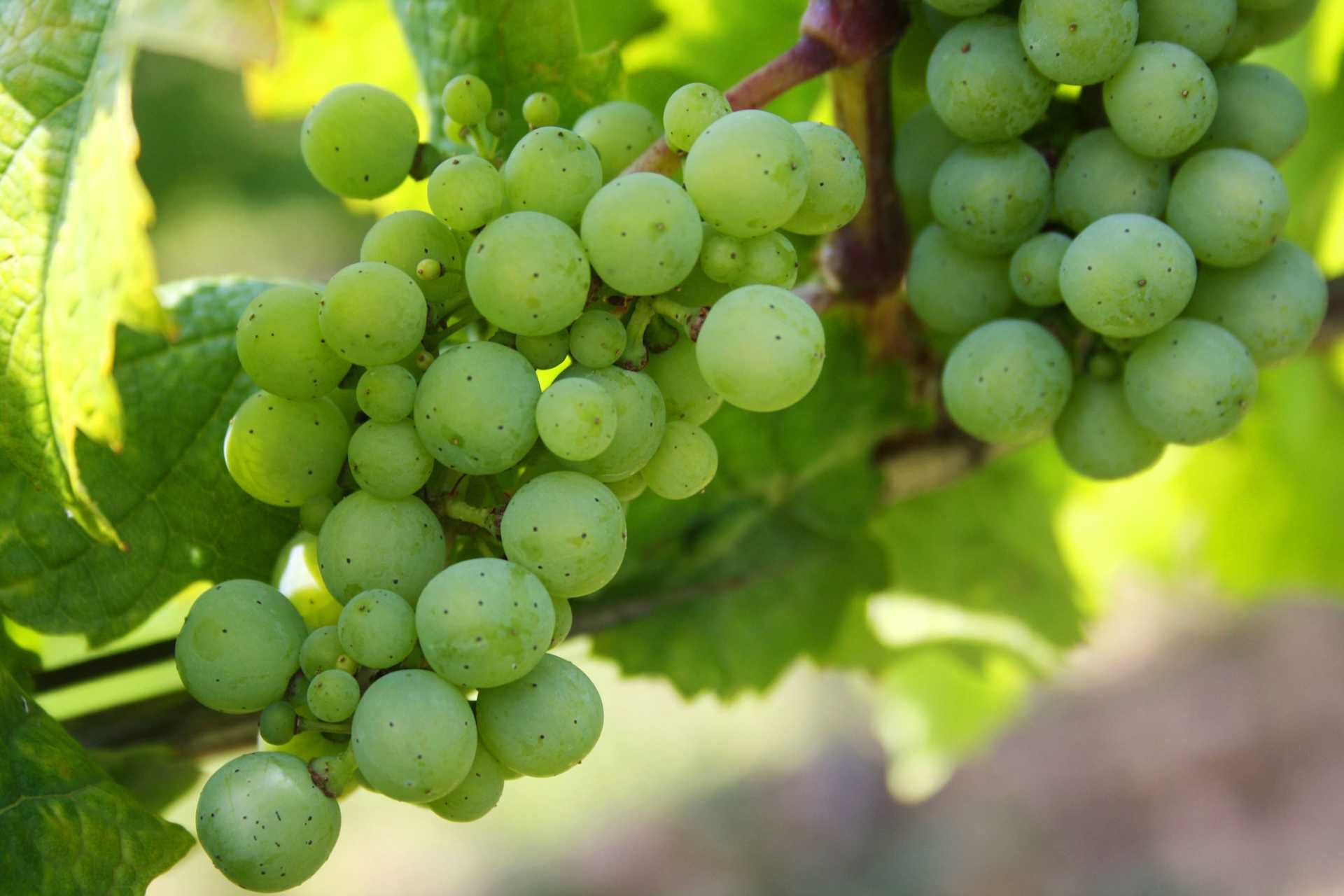
With hundreds of white grape varieties to choose from, winemakers have the freedom to create a virtually endless assortment of blended white wines. In many European regions, strict laws are in place determining the set of varieties that may be used in white wine blends, but in the New World, experimentation is permitted and encouraged. Blending can be utilized to enhance balance or create complexity, lending different layers of flavors and aromas. For example, a variety that creates a soft and full-bodied white wine blend, like Chardonnay, would do well combined with one that is more fragrant and naturally high in acidity. Sometimes small amounts of a particular variety are added to boost color or aromatics. Blending can take place before or after fermentation, with the latter, more popular option giving more control to the winemaker over the final qualities of the wine.

Literally meaning "the black land," Swartland takes its name from the endangered, indigenous "renosterbos" (translating to rhino bush), which used to be plentiful enough to turn the entire landscape a dark color certain during times of year. The district, attracting some of the most adventurous and least interventionist winemakers, excels in robust and full-bodied reds as well as quality fortified wines.