


Winemaker Notes
Intense aromas gradually reveal their rich palate. Ripe yellow apple, persimmon, yellow plum, and pineapple. Perceptions of candied lemon, honey and dry yellow flowers follow. Slight hints of fine lees play with almonds, butter, vanilla, and a gentle touch of caramel. The finish is herbal, of rosemary and marjoram. Its youthful freshness indicates that the wine will continue to develop, with a mineral and slightly astringent finish.
Pair with fish with various purees or creamy sauces, poultry, lamb shanks, or pork ribs.
Professional Ratings
-
James Suckling
Aromas of dried mango, sea salt, lime skin, crushed stone and white pepper. Full-bodied yet balanced and focused with phenolic tension and framing. Spicy at the end with a clove character to the dried citrus. From organically grown grapes. Drink or hold.

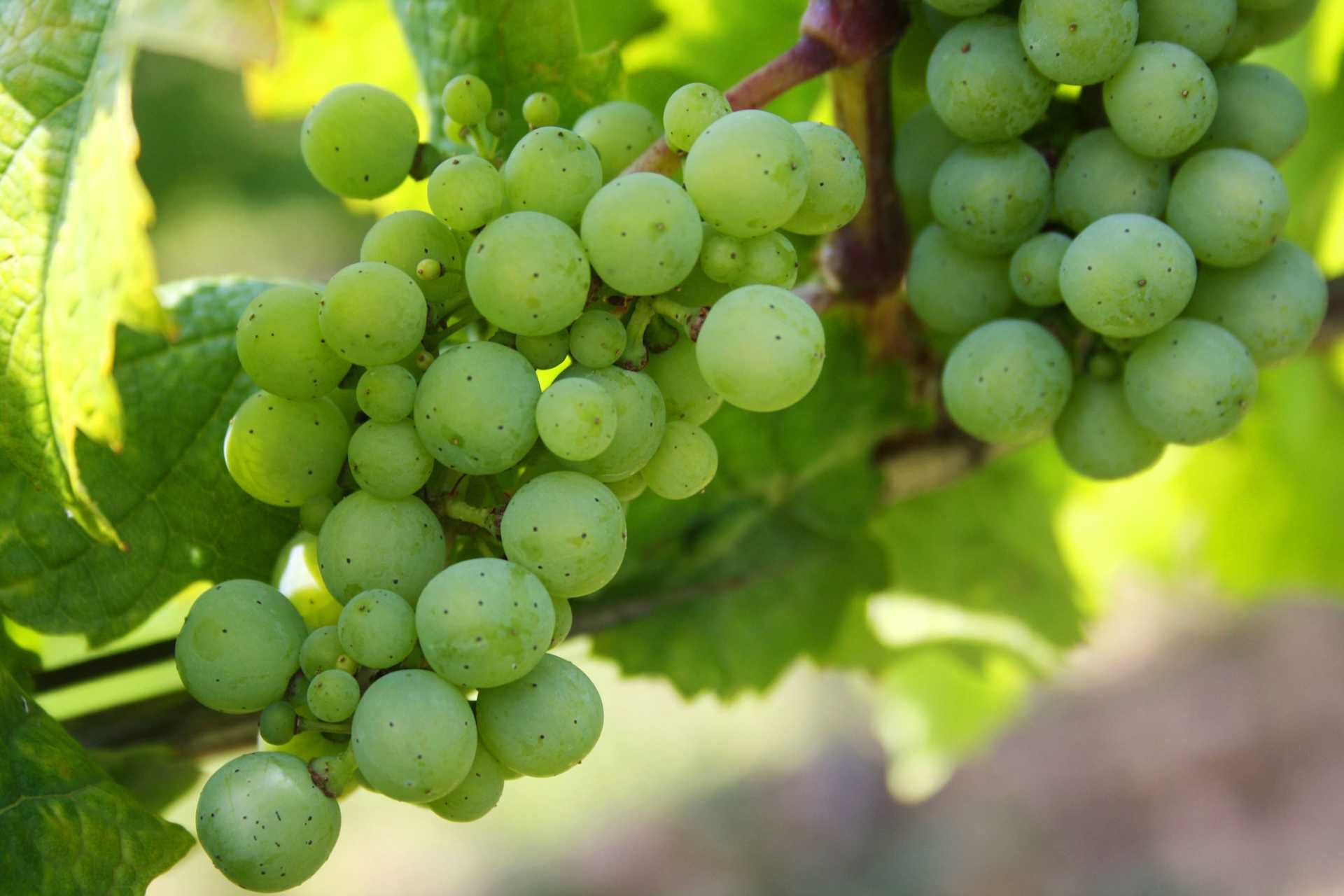
With hundreds of white grape varieties to choose from, winemakers have the freedom to create a virtually endless assortment of blended white wines. In many European regions, strict laws are in place determining the set of varieties that may be used in white wine blends, but in the New World, experimentation is permitted and encouraged. Blending can be utilized to enhance balance or create complexity, lending different layers of flavors and aromas. For example, a variety that creates a soft and full-bodied white wine blend, like Chardonnay, would do well combined with one that is more fragrant and naturally high in acidity. Sometimes small amounts of a particular variety are added to boost color or aromatics. Blending can take place before or after fermentation, with the latter, more popular option giving more control to the winemaker over the final qualities of the wine.

A picturesque, eastern European wine growing nation, Slovenia can claim one of the most ancient winemaking cultures in all of Europe. Its history dates back to the Celts and Illyrians tribes, well before the Romans had any influence on France, Spain or Germany. But it wasn’t until the 1970s that Slovenia developed a more refined, private-sector wine industry.
Today it is a powerful source of some of the industry’s most important orange wines (whites made with extended skin contact); furthermore, fully three quarters of the country’s wine production is white.
Slovenian weather is continental with hot summers and cold, wet winters. It is divided into three wine regions: Podravje in Slovenia’s northeast; Primorska in its west, close to Italy; and Posavje in its southeast. These are further divided to nine wine districts.