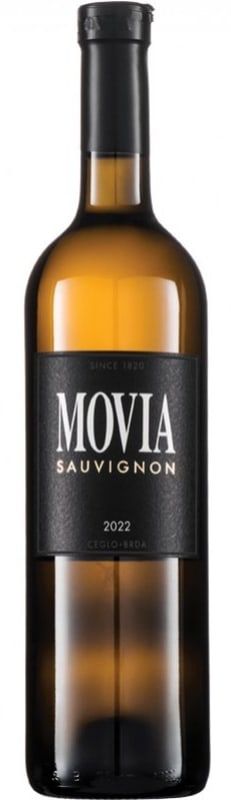


Winemaker Notes
This Sauvignon Blanc glows with a clear, golden yellow color in our glass. Its bouquet is alluring, intense with aromas of papaya, mango, ripe pineapple, dried yellow roses and acacia, as well as honey, candied lemons, tangerine, vanilla, anise, butter dough, thyme and a slight note of white pepper. The taste is intense, it has an oily feel, but at the same time, it refreshes us and leaves a pleasant mineral salinity on the palate. Perceptions of ripe tropical fruit, sweet spices, and a slight caramel note are detected. This Sauvignon boasts a complex structure and an intense, lingering, elegant taste.
Professional Ratings
-
Vinous
The 2022 Sauvignon slowly evolves with a sultry mix of musky lemon rinds, crushed almonds, sage and smoke. It balances zesty acidity and crisp mineral tones with a pretty inner sweetness as tart orchard fruits cascade throughout. A salty flourish and pleasantly bitter sensation remain as hints of nectarine and sour citrus fade. This is incredibly unique and impossible to ignore.
-
James Suckling
Attractive aromas of green apples and pears together with citrus peel, orchid blossom and stones. Medium-bodied, so fresh, tense and tingly, but with a delicate and sleek texture. Flavorful and floral. Nicely rounded finish. From organically grown grapes.


Capable of a vast array of styles, Sauvignon Blanc is a crisp, refreshing variety that equally reflects both terroir and varietal character. Though it can vary depending on where it is grown, a couple of commonalities always exist—namely, zesty acidity and intense aromatics. This variety is of French provenance. Somm Secret—Along with Cabernet Franc, Sauvignon Blanc is a proud parent of Cabernet Sauvignon. That green bell pepper aroma that all three varieties share is no coincidence—it comes from a high concentration of pyrazines (herbaceous aromatic compounds) inherent to each member of the family.

A picturesque, eastern European wine growing nation, Slovenia can claim one of the most ancient winemaking cultures in all of Europe. Its history dates back to the Celts and Illyrians tribes, well before the Romans had any influence on France, Spain or Germany. But it wasn’t until the 1970s that Slovenia developed a more refined, private-sector wine industry.
Today it is a powerful source of some of the industry’s most important orange wines (whites made with extended skin contact); furthermore, fully three quarters of the country’s wine production is white.
Slovenian weather is continental with hot summers and cold, wet winters. It is divided into three wine regions: Podravje in Slovenia’s northeast; Primorska in its west, close to Italy; and Posavje in its southeast. These are further divided to nine wine districts.