


Winemaker Notes
It shows an extractive, golden yellow color with an amber hue and a dense texture. The bouquet evokes ripe red apple, apricot, yellow fig, yellow plum, orange peel, papaya, star fruit and yellow rose. Note of herbs reveals rosemary, anise, finishing with notes of almonds, hazelnuts and toffee. The palate feels soft, and the alcohol nicely underlays its structure. Its freshness is crisp and well balanced by the softness of the wine. The mouthfeel is balanced. A Rebula with an intense taste, fuller body and lasting, elegant persistency. It becomes more elegant with age.
It will go well with pasta and risottos with a touch of the sea or white meats.
Professional Ratings
-
James Suckling
An intense and rich ribolla with almonds, sage, mint and ripe, concentrated yellow fruit on the nose. Firm on the palate, with tight tannins, crisp acidity and a medium body. The finish is balanced yet slightly austere.
-
Vinous
Dusty dried flowers combine with incense and ginger-tinged pear as the 2022 Rebula comes to life in the glass. It is nervous in feel, crackling on the senses with a mix of brisk acidity and stern mineral tones. The 2022 is more about rocks and savory herbs than fruit, yet in the most fascinating way. It finishes long and wickedly fresh.

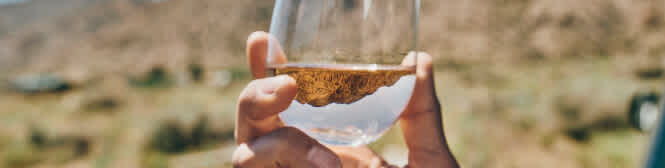
The exact origins of Ribolla Gialla remain unclear, though it most likely came to Friuli before the 1200s by way of Slovenia, where it goes by the moniker, Rebula. Blanketing vineyard hillsides along the Italian-Slovenian border, unconcerned about which side it is on, this pink-skinned variety creates a range of styles from the crisp, dry, still or sparkling whites to the charmingly ephemeral, skin-contact orange wines. Somm Secret—If you’re into orange wines, go visit Collio’s Oslavia and Slovenia’s Goriska Brda regions. They are so close you’ll hardly know you’ve gone from one to the other.

A picturesque, eastern European wine growing nation, Slovenia can claim one of the most ancient winemaking cultures in all of Europe. Its history dates back to the Celts and Illyrians tribes, well before the Romans had any influence on France, Spain or Germany. But it wasn’t until the 1970s that Slovenia developed a more refined, private-sector wine industry.
Today it is a powerful source of some of the industry’s most important orange wines (whites made with extended skin contact); furthermore, fully three quarters of the country’s wine production is white.
Slovenian weather is continental with hot summers and cold, wet winters. It is divided into three wine regions: Podravje in Slovenia’s northeast; Primorska in its west, close to Italy; and Posavje in its southeast. These are further divided to nine wine districts.