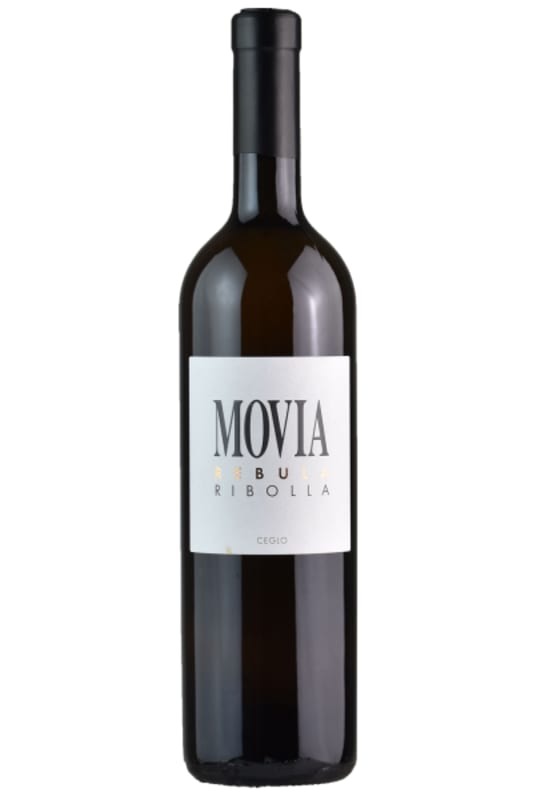


Winemaker Notes
Rebula is served chilled, accompanying saltwater fish as well as freshwater specialties such as trout or salmon, as well as oysters.
Professional Ratings
-
James Suckling
Lightly cloudy. Deep orange hue. Dried mangoes, nice sauerkraut, freshly cut apricots, resin, beeswax and honeysuckle. I like the tartness here with beautifully silty, melted tannins on a full-bodied palate. Long, structured, sharp and serious. Don’t be afraid of the sediment here. Naturally rendered.

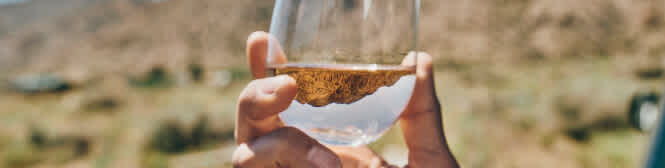
The exact origins of Ribolla Gialla remain unclear, though it most likely came to Friuli before the 1200s by way of Slovenia, where it goes by the moniker, Rebula. Blanketing vineyard hillsides along the Italian-Slovenian border, unconcerned about which side it is on, this pink-skinned variety creates a range of styles from the crisp, dry, still or sparkling whites to the charmingly ephemeral, skin-contact orange wines. Somm Secret—If you’re into orange wines, go visit Collio’s Oslavia and Slovenia’s Goriska Brda regions. They are so close you’ll hardly know you’ve gone from one to the other.

A picturesque, eastern European wine growing nation, Slovenia can claim one of the most ancient winemaking cultures in all of Europe. Its history dates back to the Celts and Illyrians tribes, well before the Romans had any influence on France, Spain or Germany. But it wasn’t until the 1970s that Slovenia developed a more refined, private-sector wine industry.
Today it is a powerful source of some of the industry’s most important orange wines (whites made with extended skin contact); furthermore, fully three quarters of the country’s wine production is white.
Slovenian weather is continental with hot summers and cold, wet winters. It is divided into three wine regions: Podravje in Slovenia’s northeast; Primorska in its west, close to Italy; and Posavje in its southeast. These are further divided to nine wine districts.