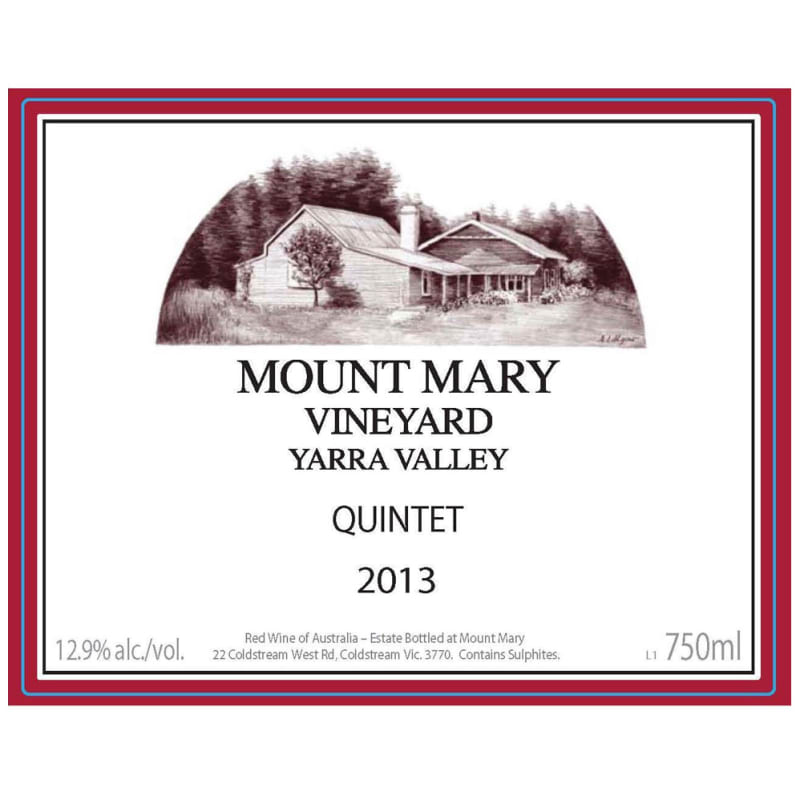

Winemaker Notes
Professional Ratings
-
Robert Parker's Wine Advocate
The 2013 Quintet is so aromatic! It has bright cassis-y fruit on the nose along with raspberry seed and blueberry (the first time I've seen this character). There's a grape-y, bubblegum inflection on the nose, and it weaves into the fruit in the mouth. This is super fresh, supple and exciting, actually. There is lovely clarity of fruit in the mouth. The tannins are chalky through the finish.
-
James Suckling
A superb example of old vines driving a classy brand of power and elegance. This has blueberries, cassis and redder berry fruits in abundance on the nose and palate, and it's all fused with modern, spicy and savory oak influence. The textural impression is plush, really silky and beautifully balanced. Approachable now, but the best drinking window should come in 2020.
-
Wine & Spirits
This wine’s elegant structure lends it the kind of sophistication that’s rare in Bordeaux blends from outside their home region. Five Bordelais varieties make up this blend: cabernet sauvignon (49 percent), merlot (26 percent), cabernet franc (15 percent), petit verdot and malbec. It shows delicate red fruit and cedar scents, with complexity in the grape-skin tannins, which yield spice and a fine form of richness. One of the most collectible reds in Australia, this is built to develop for years in the cellar.


A noble variety bestowed with both power and concentration, Cabernet Sauvignon enjoys success all over the globe, its best examples showing potential to age beautifully for decades. Cabernet Sauvignon flourishes in Bordeaux's Medoc where it is often blended with Merlot and smaller amounts of some combination of Cabernet Franc, Malbecand Petit Verdot. In the Napa Valley, ‘Cab’ is responsible for some of the world’s most prestigious, age-worthy and sought-after “cult” wines. Somm Secret—DNA profiling in 1997 revealed that Cabernet Sauvignon was born from a spontaneous crossing of Cabernet Franc and Sauvignon Blanc in 17th century southwest France.

As the most important area of wine production in Victoria today, the Yarra Valley is most popular for Pinot Noir and Chardonnay, which account for over half of vineyard acreage. A gentle, rolling and rural region alongside the Margaret River, the Yarra Valley has a cool maritime climate with a lengthy growing season, perfect for these cool-climate varieties.
Two styles of Pinot Noir are possible here. The warmer Lower Yarra Valley with sandy, loam soils, produces plush and fruity Pinot Noir while the cooler, higher-elevation Upper Yarra Valley with soils of young red basalt, produces more angular and mineral-driven Pinot Noir.
Yarra Valley Chardonnay is among the best in Australia. To preserve the floral aromatics and fresh citrus flavors for which this area’s Chardonnay is so appreciated, time in barrel is restrained (though barrel fermentation is common). The best Yarra Valley Chardonnays display brilliant acidity, leesy characteristics, citrus, stone fruit and flavors of ginger and spice.
Shiraz and Cabernet find success in parts of this region as well.