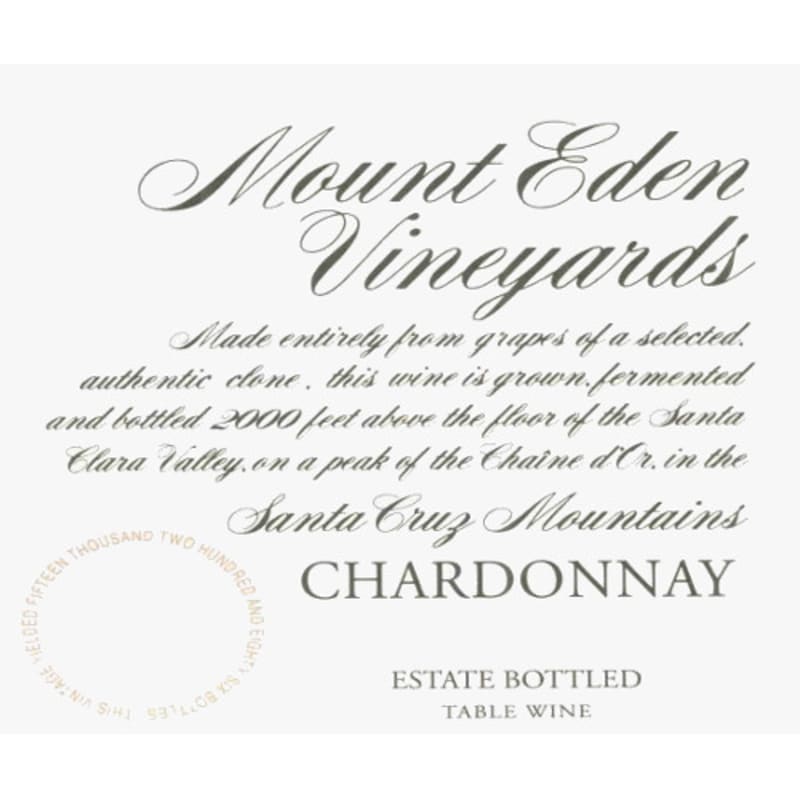

Winemaker Notes
Given time to open, there are captivating aromas of yeasty baked bread, lime zest and wild land smells of sage and anise which give pause. Full concentration on the palate without heaviness, the finish echoes the complexity of the aromas.
Professional Ratings
-
Wine Spectator
At first, this teases, fresh and snappy, displaying lively acidity and zesty citrus, green apple and pear notes. Turns pithy midpalate, but the flavors pour though on the finish, adding mouthwatering touches of light oak and mineral. Should only get better. Drink now through 2025.
-
Robert Parker's Wine Advocate
The 2009 Chardonnay Estate is incomparably elegant. Lemon, lime, crushed rocks, spices and mint are some of the many nuances that take shape as the 2009 opens up in the glass. The 2009 is unusually open and approachable for a young Mount Eden Chardonnay, but there is plenty of stuffing for it to age well for many years. The 2009 will be even better in another few years. Anticipated maturity: 2012-2020.
-
Wine & Spirits
This broad, rich chardonnay has density to its fruit, the oak integrated into the texture rather than overt in the aroma. Beyond the scent of lemon curd and chamomile, it’s youthfully pungent and raspy, needing time to mellow. (1,974 cases) Mount Eden Vineyards, Sarato


One of the most popular and versatile white wine grapes, Chardonnay offers a wide range of flavors and styles depending on where it is grown and how it is made. While it tends to flourish in most environments, Chardonnay from its Burgundian homeland produces some of the most remarkable and longest lived examples. California produces both oaky, buttery styles and leaner, European-inspired wines. Somm Secret—The Burgundian subregion of Chablis, while typically using older oak barrels, produces a bright style similar to the unoaked style. Anyone who doesn't like oaky Chardonnay would likely enjoy Chablis.
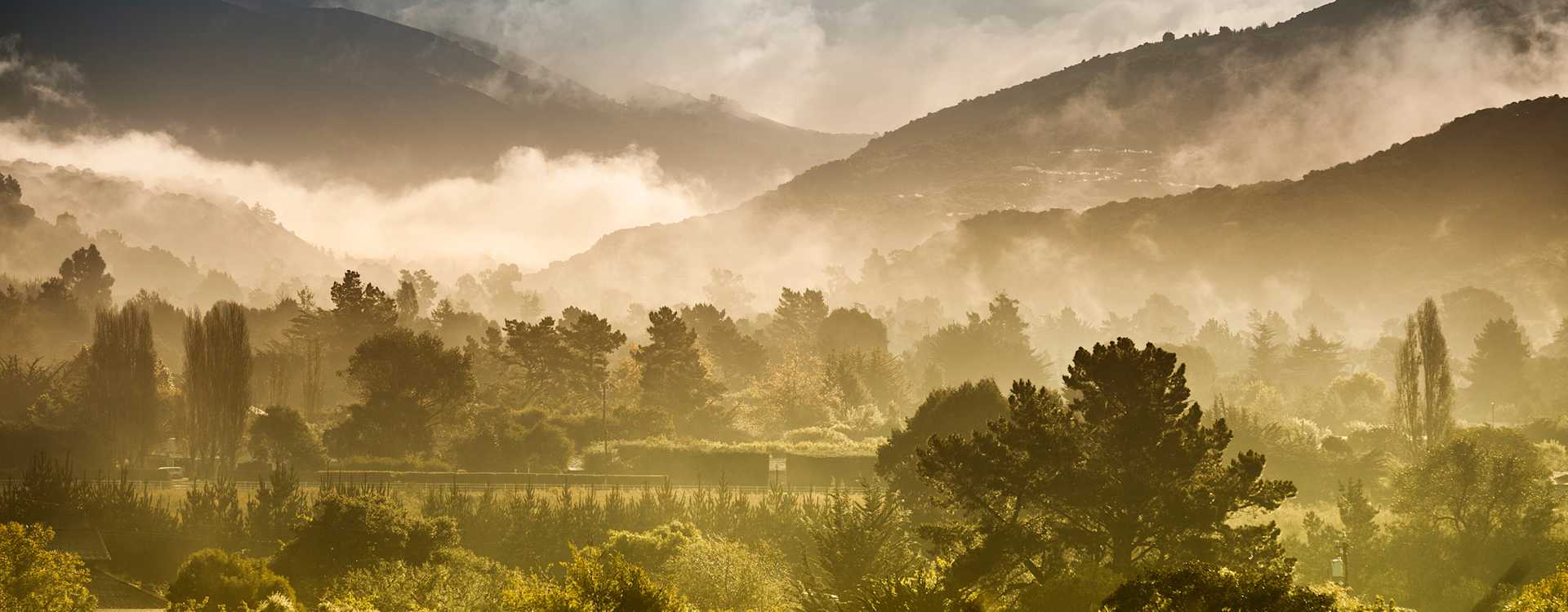
The largest and perhaps most varied of California’s wine-growing regions, the Central Coast produces a good majority of the state's wine. This vast California wine district stretches from San Francisco all the way to Santa Barbara along the coast, and reaches inland nearly all the way to the Central Valley.
Encompassing an extremely diverse array of climates, soil types and wine styles, it contains many smaller sub-AVAs, including San Francisco Bay, Monterey, the Santa Cruz Mountains, Paso Robles, Edna Valley, Santa Ynez Valley and Santa Maria Valley.
While the Central Coast California wine region could probably support almost any major grape varietiy, it is famous for a few Central Coast reds and whites. Pinot Noir, Chardonnay, Cabernet Sauvignon and Zinfandel are among the major ones. The Central Coast is home to many of the state's small, artisanal wineries crafting unique, high-quality wines, as well as larger producers also making exceptional wines.