


Winemaker Notes
Bright yellow, with an intense bouquet of candied lemon, stone fruits and honeysuckle intermixed with notes of ripened apricot, juniper berry, fresh quince, beeswax and liquid minerals. Full-bodied, boasting a seamless texture, refined and complex, La Proportion Dorée will age gracefully for 20 years.
Blend: 68% Sémillon, 31% Sauvignon Blanc, 1% Muscadelle
Professional Ratings
-
Jeb Dunnuck
Composed of mostly Semillon, along with 31% Sauvignon Blanc and a small but fragrant addition of 1% Muscadelle, the 2021 La Proportion Doree comes from 30-year-old, dry-farmed vines and was barrel fermented. It pours a bright yellow color and takes on another gear in the glass, cascading open with generous aromas of fresh currants, candle wax, jasmine, and a lift of white pepper spice. Medium to full-bodied, its structure offers fantastic definition, and it has a concentrated, rich texture, an even spine of acidity, and exceptional length. This is a stunning textural blend to enjoy over the coming 10-12 years.
-
Robert Parker's Wine Advocate
Morlet's 2021 La Proportion Doree—a barrel-fermented blend of 68% Sémillon, 31% Sauvignon Blanc and 1% Muscadelle—is seemingly in a bit of a closed state, offering up subtle notes of beeswax and citrus, with hints of fig and melon on the nose. In the mouth, it's medium to full-bodied, with a fine, silky texture and ample length on the finish.
Rating: 95+ -
James Suckling
A semillon-based blend in the style of a white Bordeaux. This offers great tension and freshness along with a rich texture and almost honeyed flavors. So lush in mouthfeel, offering honeysuckle, lemon zest and minerals on a full body. Barrel-fermented in neutral oak.


Sometimes light and crisp, other times rich and creamy, Bordeaux White Blends typically consist of Sauvignon Blanc and Semillon. Often, a small amount of Muscadelle or Sauvignon Gris is included for added intrigue. Popularized in Bordeaux, the blend is often mimicked throughout the New World. Somm Secret—Sauternes and Barsac are usually reserved for dessert, but they can be served before, during or after a meal. Try these sweet wines as an aperitif with jamón ibérico, oysters with a spicy mignonette or during dinner alongside hearty Alsatian sausage.
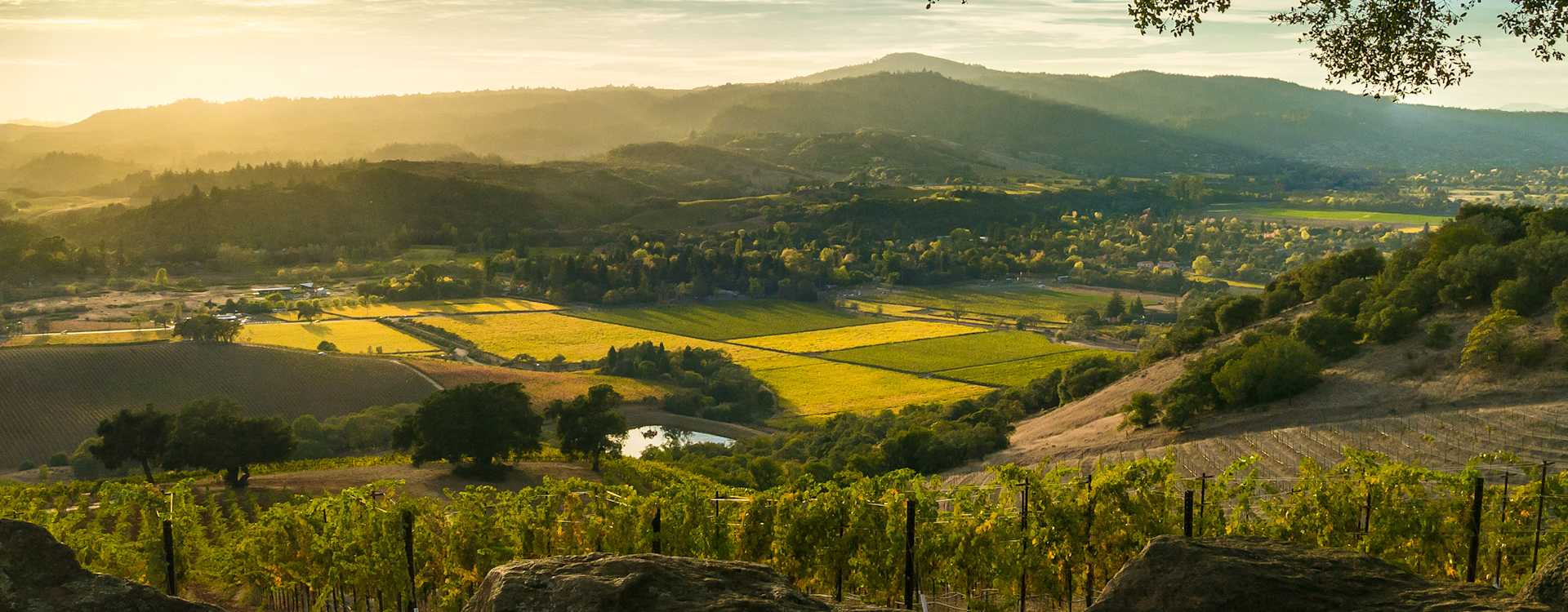
Home to a diverse array of smaller AVAs with varied microclimates and soil types, Sonoma County has something for every wine lover. Physically twice as large as Napa Valley, the region only produces about half the amount of wine but boasts both tremendous quality and variety. With its laid-back atmosphere and down-to-earth attitude, the wineries of Sonoma are appreciated by wine tourists for their friendliness and approachability. The entire county intends to become a 100% sustainable winegrowing region by 2019.
Sonoma County wines are produced with carefully selected grape varieties to reflect the best attributes of their sites—Dry Creek Valley’s consistent sunshine is ideal for Zinfandel, while the warm Alexander Valley is responsible for rich, voluptuous red wines like Cabernet Sauvignon. Chardonnay and Pinot Noir are important throughout the county, most notably in the cooler AVAs of Russian River, Sonoma Coast and Carneros. Sauvignon Blanc, Merlot and Syrah have also found a firm footing here.