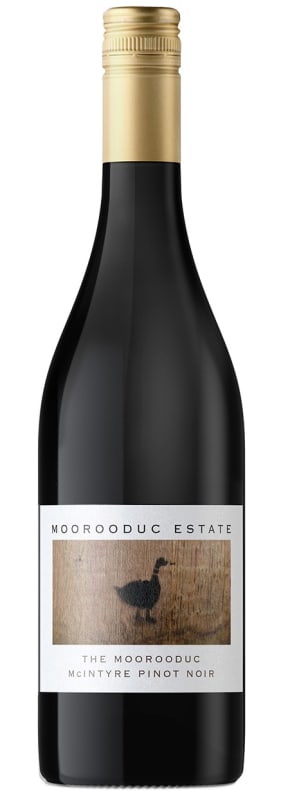


Winemaker Notes
Professional Ratings
-
James Suckling
This has a pale color but packs in an intense array of dried herbs, red plums, wild blueberries, sandalwood, mocha, porcini, clove, nutmeg and dried oranges. Complex and spicy, with a medium body and silky tannins. Just the right amount of toastiness. Drink or hold.
-
Wine Spectator
A theme through all of the pinots in ’20 at Moorooduc Estate is a gentleness, restraint and here, elegance. The usual varietal charms are at play but dialled down, a light combo of spiced cherries, earth and ironstone with cedary oak. Tannins are fine and lightly grainy, the finish long and feathery light. Delicious drinking now, rather than for the long term.


Thin-skinned, finicky and temperamental, Pinot Noir is also one of the most rewarding grapes to grow and remains a labor of love for some of the greatest vignerons in Burgundy. Fairly adaptable but highly reflective of the environment in which it is grown, Pinot Noir prefers a cool climate and requires low yields to achieve high quality. Outside of France, outstanding examples come from in Oregon, California and throughout specific locations in wine-producing world. Somm Secret—André Tchelistcheff, California’s most influential post-Prohibition winemaker decidedly stayed away from the grape, claiming “God made Cabernet. The Devil made Pinot Noir.”

Extending into the sea from just south of the city of Melbourne to form Port Philip Bay in the southern state of Victoria, the Mornington Peninsula grape growing region naturally has a cool, maritime climate. A wide range of soils and topographic variations support a large diversity of wine styles within the small headland.