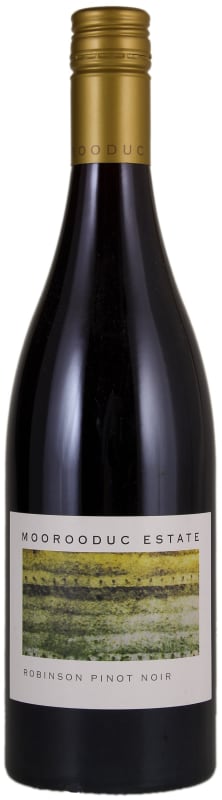


Winemaker Notes
Enjoy with grilled spatchcocked quails in a ginger and soy marinade.
Professional Ratings
-
Decanter
Tightly coiled rhubarb, red berry and cherry on the nose, with a touch of kirsch, which follows through on the palate, together with riper fruit leather. Red liquorice and five spice notes resonate on the finish, the whole firmly underpinned by tannins. This is still coming together and may warrant a higher score with bottle age. Cooler, less vigorous than The McIntyre Vineyard, 3km to the north, with heavier clay subsoil. Drinking Window 2020 - 2026
-
James Suckling
A tangy and fresh pinot with the typical strawberry and mineral undertone on the palate. Juicy undertones. Medium body. Hints of toasted oak. Fresh finish. Linear sensibility through the middle palate.
-
Robert Parker's Wine Advocate
Tightly coiled rhubarb, red berry and cherry on the nose, with a touch of kirsch, which follows through on the palate, together with riper fruit leather. Red liquorice and five spice notes resonate on the finish, the whole firmly underpinned by tannins. This is still coming together and may warrant a higher score with bottle age. Cooler, less vigorous than The McIntyre Vineyard, 3km to the north, with heavier clay subsoil. Drinking Window 2020 - 2026


Thin-skinned, finicky and temperamental, Pinot Noir is also one of the most rewarding grapes to grow and remains a labor of love for some of the greatest vignerons in Burgundy. Fairly adaptable but highly reflective of the environment in which it is grown, Pinot Noir prefers a cool climate and requires low yields to achieve high quality. Outside of France, outstanding examples come from in Oregon, California and throughout specific locations in wine-producing world. Somm Secret—André Tchelistcheff, California’s most influential post-Prohibition winemaker decidedly stayed away from the grape, claiming “God made Cabernet. The Devil made Pinot Noir.”

Extending into the sea from just south of the city of Melbourne to form Port Philip Bay in the southern state of Victoria, the Mornington Peninsula grape growing region naturally has a cool, maritime climate. A wide range of soils and topographic variations support a large diversity of wine styles within the small headland.