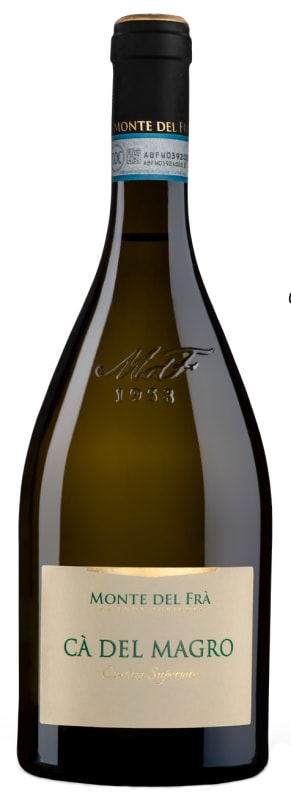


Winemaker Notes
#59 Wine Spectator Top 100 of 2021
The hill is in the heart of Custoza, it is gravelly and rocky, facing southeast and ready to receive many hours of sunshine. The vineyard is composed of old vines, accustomed to challenge the elements of nature and to go deep in the soil to find their nourishment. This is a fascinating, unique place, ideal to witness how Custoza wine has inside all those features, necessary to have a great wine, such as minerality connected to a unique soil; longevity which stems from the resilience capacity of old vines with a low yield, but featuring character and style; experimentation, that is the will to undermine the dominating thought asking for a simple Custoza, to drink young and without complexity. The result? The most amazing Custoza, the most awarded in the world, the most celebrated. A great white wine with infinite ageing potentials.
Professional Ratings
-
James Suckling
Citrus aromas and flavors with perfumed, talc-like minerals that are enticing on the nose, but also broaden out the texture of the palate. Medium-bodied, this is a gentle, nicely balanced white that is drinking beautifully now.
-
Wine Spectator
This elegant white is lightly mouthwatering with its citrusy acidity, offering a finely meshed range of white cherry, blood orange sorbet, lemon thyme and salty mineral notes, followed by a lingering, lightly spiced finish. Garganega, Trebbiano Toscano, Cortese and Chardonnay. Drink now through 2024.

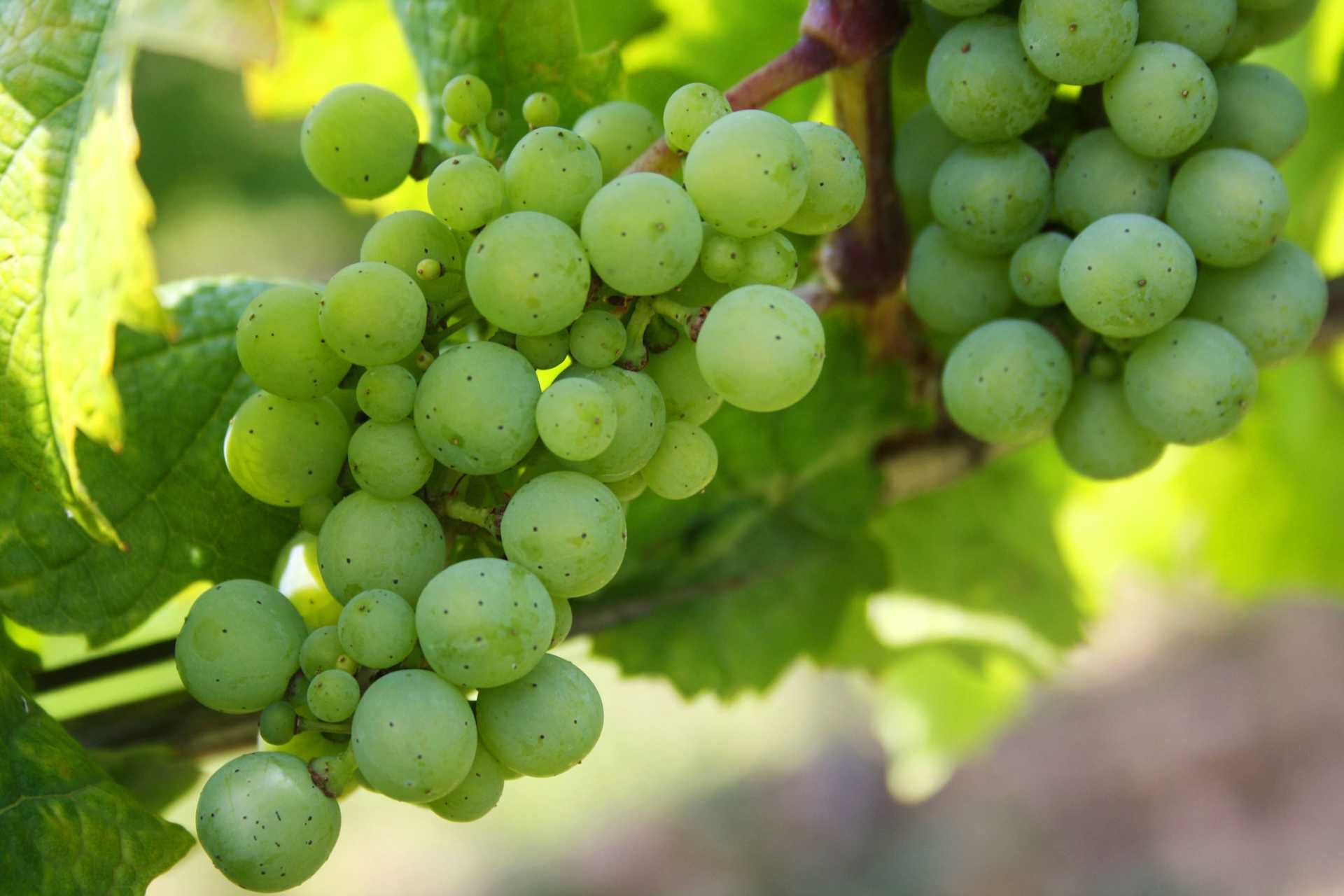
With hundreds of white grape varieties to choose from, winemakers have the freedom to create a virtually endless assortment of blended white wines. In many European regions, strict laws are in place determining the set of varieties that may be used in white wine blends, but in the New World, experimentation is permitted and encouraged. Blending can be utilized to enhance balance or create complexity, lending different layers of flavors and aromas. For example, a variety that creates a soft and full-bodied white wine blend, like Chardonnay, would do well combined with one that is more fragrant and naturally high in acidity. Sometimes small amounts of a particular variety are added to boost color or aromatics. Blending can take place before or after fermentation, with the latter, more popular option giving more control to the winemaker over the final qualities of the wine.
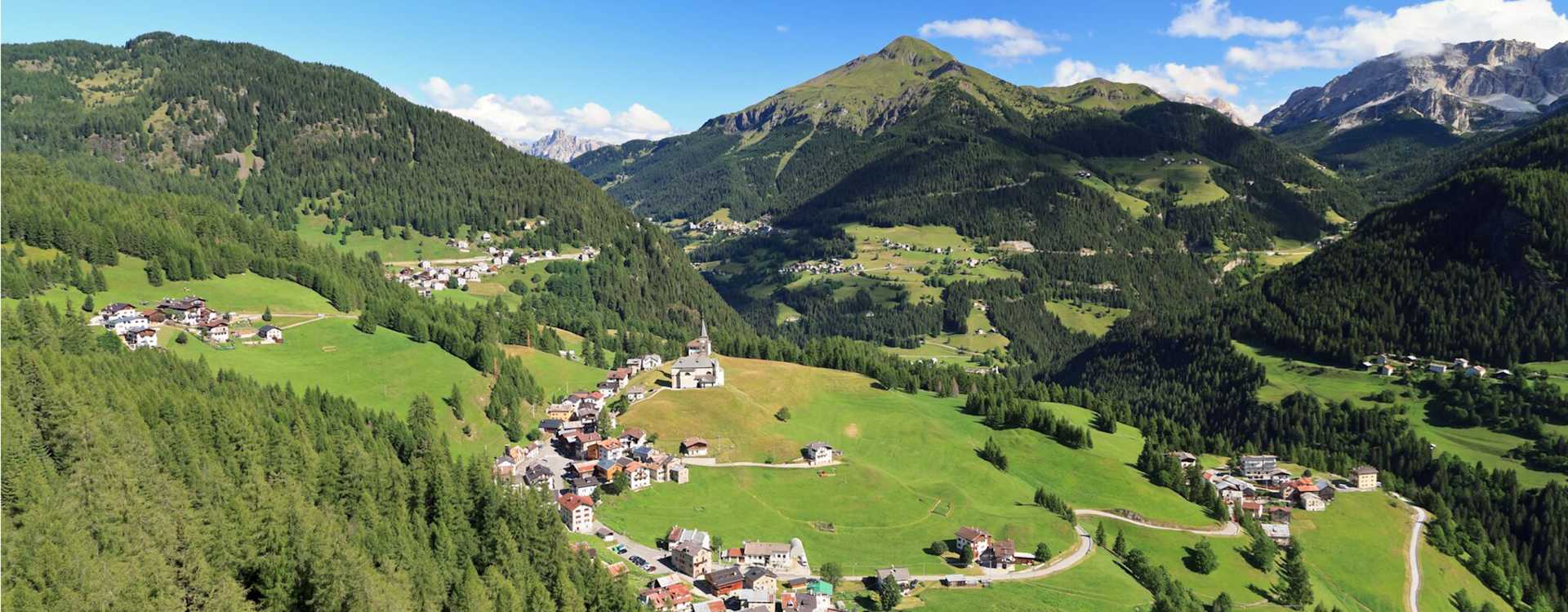
Producing every style of wine and with great success, the Veneto is one of the most multi-faceted wine regions of Italy.
Veneto's appellation called Valpolicella (meaning “valley of cellars” in Italian) is a series of north to south valleys and is the source of the region’s best red wine with the same name. Valpolicella—the wine—is juicy, spicy, tart and packed full of red cherry flavors. Corvina makes up the backbone of the blend with Rondinella, Molinara, Croatina and others playing supporting roles. Amarone, a dry red, and Recioto, a sweet wine, follow the same blending patterns but are made from grapes left to dry for a few months before pressing. The drying process results in intense, full-bodied, heady and often, quite cerebral wines.
Soave, based on the indigenous Garganega grape, is the famous white here—made ultra popular in the 1970s at a time when quantity was more important than quality. Today one can find great values on whites from Soave, making it a perfect choice as an everyday sipper! But the more recent local, increased focus on low yields and high quality winemaking in the original Soave zone, now called Soave Classico, gives the real gems of the area. A fine Soave Classico will exhibit a round palate full of flavors such as ripe pear, yellow peach, melon or orange zest and have smoky and floral aromas and a sapid, fresh, mineral-driven finish.
Much of Italy’s Pinot grigio hails from the Veneto, where the crisp and refreshing style is easy to maintain; the ultra-popular sparkling wine, Prosecco, comes from here as well.