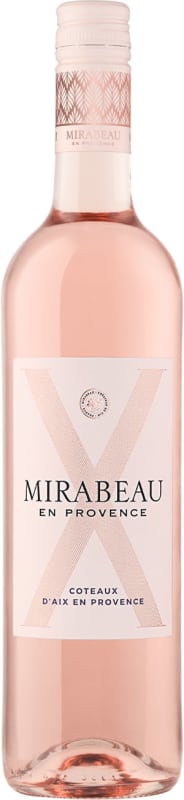


Winemaker Notes
Mirabeau X is a gorgeous aperitif and perfectly partners a huge variety of dishes such as pan- fried wild salmon, Caesar salad, or white chocolate dipped madeleines.
Professional Ratings
-
Decanter
Strawberries and cream aromas with some peach and mint leaf. Crisp and inviting palate, with leafy complexity and a lovely strawberry and cherry delicacy on the finish.
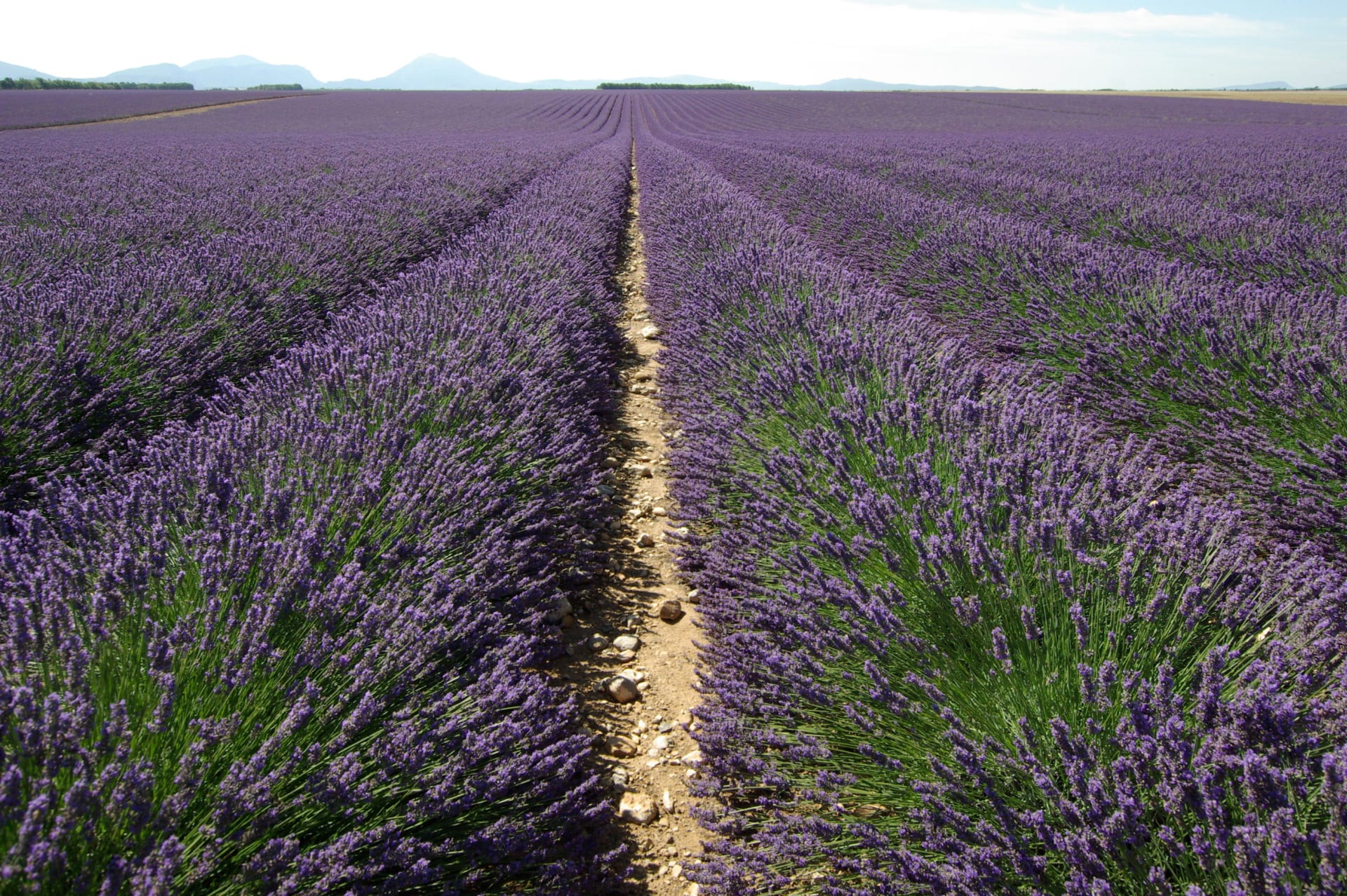



Domaine Mirabeau, founded in 2010 by Stephen and Jeany Cronk, is one of the best-selling and critically acclaimed Provencal rosés in the world. Lead winemaker Nathalie Longefay was born into a winemaking family in Beaujolais. She moved south in 2006 to pursue her interest in wines of Provence, particularly rosé. Nathalie studied Viticulture-Œnologie in Toulouse and subsequently worked in Australia and around France. Considered to be one of the best at her craft, Nathalie has relentless focus and an obsessive attention to detail. She keeps a roving eye on all aspects of winemaking and is constantly looking for improvements, no matter how small.
The estate is a picturesque 25 HA gem in the countryside of Saint-Tropez producing wines of distinction for great restaurants, retailers and connoisseurs around the globe. Domaine Mirabeau falls within the newly created subregion within the Côtes de Provence AOC, Notre Dame des Anges. The terroir covers 3,900 hectares of grapevines interwoven within the landscape of umbrella pines, cork oak trees and chestnut groves forming the Plaine des Maures National Nature Reserve, an ecosystem rich in fauna and flora. The 20-hectare estate includes 14 hectares of vines (principally grenache, cinsault and rolle) and enjoys a Mediterranean climate with hot summers, bright sunlight and a prevailing easterly wind. Unlike the rest of the region, which is dominated by low, soft-leaved ‘garrigue’ scrubland, this part of Provence is noticeably different with evergreen ‘maquis’ scrubland and stony terrain formed from pink sandstone and sandy soils. With a large array of wildlife– everything from llamas to beehives – Mirabeau is proud to focus on biodiversity on their estate.
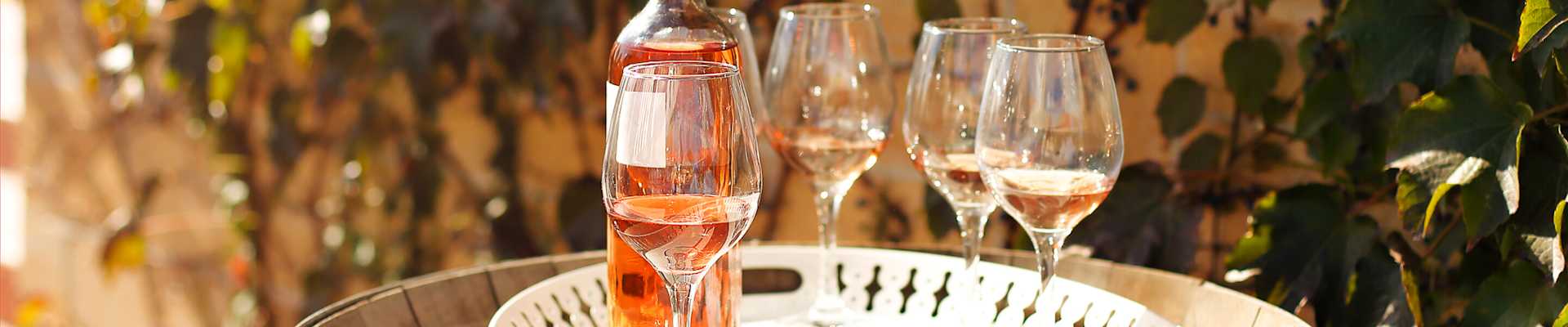
Whether it’s playful and fun or savory and serious, most rosé today is not your grandmother’s White Zinfandel, though that category remains strong. Pink wine has recently become quite trendy, and this time around it’s commonly quite dry. Since the pigment in red wines comes from keeping fermenting juice in contact with the grape skins for an extended period, it follows that a pink wine can be made using just a brief period of skin contact—usually just a couple of days. The resulting color depends on grape variety and winemaking style, ranging from pale salmon to deep magenta.

A sunny land braced by the influence of the Mediterranean Sea, the South of France extends from the French Riviera in the East to the rugged and mountainous Spanish border in the West. This expansive and stunning region remains the source of France's finest rosé and fortified wines, while the red and white wines continue to gain respect.
Provence, located farthest east, is revered for dry, elegant and quenching rosé wines, which make up the vast majority of the region’s production. These are typically blends of Mourvèdre, Grenache, Cinsault, Tibouren and other varieties.
Moving west from the Rhône Valley, spanning the Mediterranean coast to the Pyrenees mountains of Roussillon, Languedoc’s terrain is generally flat coastal plains. Virtually every style of wine is made in Languedoc; most dry wines are blends with varietal choice strongly influenced by the neighboring Rhône Valley.
Bordered by the rugged eastern edge of the Pyrenees Mountains and intense sunshine, Roussillon is largely defined by Spanish influence. The arid, exposed, steep and uneven valleys of the Pyrénées-Orientales zone guarantee that grape yields are low and berries are small and concentrated. While historically recognized for the vins doux naturels of Rivesaltes, Banyuls and Maury, the region’s dry reds are beginning to achieve the notoriety the deserve.
A catchall term for the area surrounding the Languedoc and Roussillon, Pays d’Oc is the most important IGP (Indication Géographique Protégée) in France, producing nearly all of France’s wine under the IGP designation.